Yakushima: Moss & Mist

Finnegan Flynn
| 16-06-2026
 · Travel team
Friends, craving a place where emerald valleys meet warm ocean shallows? Yakushima, south of Kyushu, is a UNESCO-listed island wrapped in cloud forests, cedar giants, and sandy coves.
It’s quieter than Japan’s big-name cities yet rich in trails, springs, and nature-watching. Use this guide for clear routes, realistic budgets, and the best ways to experience its deeply soothing landscapes.
Getting There
Fly from Fukuoka or Kagoshima to Yakushima Airport (40–60 minutes; typical fares $70–$150 one way). From Kagoshima, high-speed ferries reach Miyanoura or Anbo in 2–3 hours ($45–$80). Car ferries cost less ($25–$45 per foot passenger) but take longer (4 hours). Buses circle the island, but a rental car or scooter offers flexibility ($45–$70/day for cars; $25–$40/day for scooters).
Where To Stay
Base in Miyanoura (easy transport) or Anbo (closer to southern trailheads). Expect $55–$120 per night for guesthouses and small hotels, $130–$220 for boutique stays with ocean views, and $20–$35 for campground cabins (advance booking advised in spring and autumn). Many inns include simple breakfasts; ask about trail-lunch boxes ($6–$10).
Best Seasons
Yakushima is lush because it rains—often. Pack a light shell year-round. Prime hiking months: March–June and September–November. June–August brings turtle nesting and warm seas; January–February can see frost on the high peaks. Typhoon season can affect ferries, so build a buffer day.
Forest Trails
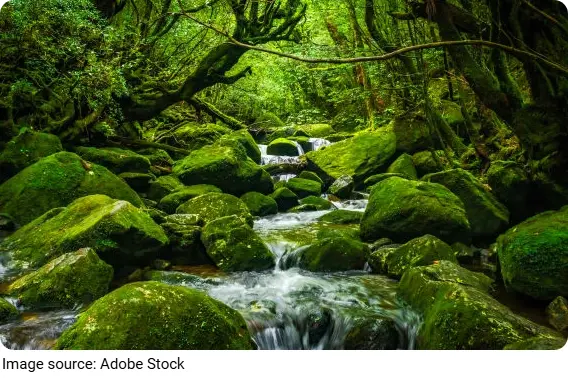
The island’s signature is its mossy trails and cedar-cloaked valleys. Shiratani Unsuikyo offers well-marked loops (1–5 hours) over stone-laid paths, streams, and ferny glens. Entry is around $3–$5; allow half a day with photo stops. Wear grippy shoes—boardwalks get slick after showers.
Ancient Trees
To see the legendary Jomon Sugi—possibly several millennia old—plan a full-day hike (round-trip 20–22 km, 8–10 hours) from Arakawa Trailhead. Buses from Yakusugi Museum parking run early; the trail uses an old rail bed plus forest paths. Guided hikes ($80–$140/person) add safety and timing support. Bring 2L water, snacks, headlamp, and a rain layer.
Yakusugi Museum
Before or after your big walk, the Yakusugi Museum near Anbo explains the cedar ecology and traditional forestry with tactile exhibits and dioramas. Budget 60–90 minutes; tickets about $4–$6. It’s also a hub for trail bus info and souvenir crafts from legally sourced cedar offcuts.
Waterfalls Wow
Three easy-access cascades reward minimal effort:
- Oko-no-taki (southwest): a powerful drop beside the road; free parking; picnic tables.
- Senpiro-no-taki: broad rock slabs and sweeping valley views; short walk from the viewpoint.
- Toranoko-no-taki: smaller, swimmable pool in warm months.
Allow 10–30 minutes each plus photo time; combine with a coastal drive.
Signature Beaches
Nagata Inaka-hama is famous for soft sands and summer turtle activity; Isso and Maehama near Miyanoura offer easy swims on calm days. Beach gear rentals run $5–$10/day. Always check conditions—currents change quickly, and lifeguards are limited.
Inakahama Beach
Turtle Nights
From June to August, turtles come ashore to nest, and hatchlings begin their sprint to the sea. Join an official night tour at Nagata (guides ensure minimal disturbance; typical fees $15–$30). Never use flash or walk unaccompanied on nesting areas—this protects both you and the animals.
Onsen Time
Coastal hot springs turn sunset into a ritual. Hirauchi Kaichu Onsen and Yudomari are tide-dependent, natural-rock pools steps from the surf. Entry is modest ($1–$2 in coins). Bring a small towel, wear a swimsuit where required, and time your soak around low tide; facilities are simple and magical.
Dive & Snorkel
Clear water and reefs make Yakushima welcoming for beginners. Half-day intro dives start around $80–$120 (gear included); snorkel tours run $35–$60. Calm sites near Nagata and the northwest coast often host vibrant reef life. Choose operators emphasizing small groups and safety briefings.
Cycle Easy
The round-island road (about 100 km) is scenic but hilly. Many visitors tackle short sections from Miyanoura toward the northwest beaches or from Anbo to southern falls. Rentals: $10–$20/day for standard bikes and $25–$35 for e-bikes. Start early for shade and lighter traffic.
Island Flavors
Menus spotlight ocean-fresh plates: grilled or simmered local fish ($9–$16), rice bowls ($7–$12), and vegetable set meals ($8–$14). Don’t miss seasonal fruits—tankans and ponkans—as juices or sorbets ($2–$4). Bento boxes from town bakeries or cafés are trail-friendly and affordable.
Culture Stops
The Environmental and Cultural Village Center in Miyanoura screens a short island film (about 25 minutes, $3–$5) covering geology, climate, and ecosystems—great on rainy afternoons. Nearby shops sell hand-crafted cedar chopsticks, trays, and small bowls; typical gifts run $6–$25.
One Perfect Day
Morning: bus or taxi to Shiratani Unsuikyo for a 3–4 hour loop; picnic by a stream.
Afternoon: drive the south coast to Senpiro-no-taki and Oko-no-taki; beach stop at Isso if calm.
Evening: soak at Yudomari near low tide; casual dinner in Anbo or Miyanoura.
Practical Tips
- Cash is useful in small cafés and for onsen honesty boxes.
- Bear bells aren’t necessary; keep voices moderate and pack out all trash.
- Trails can close after heavy rain—check conditions at visitor centers.
- Buses are infrequent; photograph schedules at stops.
- Respect residents: park only in marked areas and keep noise low at night.

Yakushima rewards unhurried days: moss underfoot, cedar silhouettes in the mist, tide-warmed rock pools, and sandy twilights. Which moment are you most excited to claim—an ancient-tree summit, a tide-timed onsen, or a moonlit shoreline while the waves whisper in the dark?