Who Gets to Sit Down?

Caleb Ryan
| 27-04-2026
 · Travel team
Imagine a sunny afternoon in a busy city. People are bustling about, moving from one place to the next, while a few stop to rest on the benches scattered around the park. The benches, simple yet inviting, seem like the perfect place to catch your breath or chat with a friend. But as you look closer, you begin to wonder: who exactly has the right to sit here?
From elderly people taking a rest during their morning walks, to parents with young children, to workers seeking a brief respite during a lunch break—benches serve many purposes. Yet, as we increasingly see in urban spaces, these benches are not just designed for comfort.
They reflect deep underlying issues in city planning, societal divisions, and human rights, all wrapped in the seemingly innocent choice of where to sit.
The Hidden Design of Public Benches
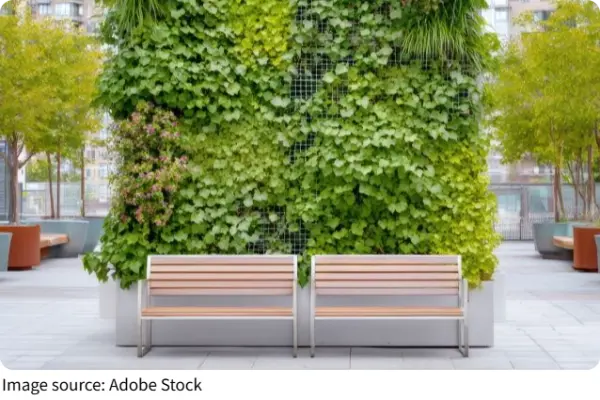
In recent years, we've witnessed a rise in “anti-homeless” design in public spaces. Benches with armrests in the middle, slanted backs, or seats designed to only accommodate one person—these subtle features have one purpose: to discourage certain people, often homeless individuals, from using the benches for extended periods of time.
These design choices have sparked debates about public space usage. On one hand, they're meant to maintain cleanliness and order in public spaces. On the other hand, they exclude those who may not have a place to call home.
Take, for example, a bench near a local shopping center. It's designed with a narrow section of seating and large metal armrests that break up the length of the bench. Perfect for a quick stop by someone grabbing a coffee, but uncomfortable for anyone who might need a longer rest. In the city's effort to "manage" its public spaces, those who rely on these benches are being pushed further out of sight.
Conflicting Needs: Different Users, Different Expectations
The intended users of public benches are varied, yet their needs often conflict. Let's imagine a few different perspectives:
• Elderly morning walkers: Mrs. Zhang, 75, walks through the park every morning, her cane tapping rhythmically on the pavement. She relies on the benches scattered along the park's walking path to take a break and rest her legs. For her, these benches are a vital part of her routine, enabling her to enjoy the outdoors without overexerting herself. However, as cities increasingly add armrests and partitions to benches, these resting spots become less accessible to her.
• Parents with young children: Mark and Alice, a young couple with two toddlers, often visit the park in the late afternoon. The benches are their temporary sanctuary while they watch their children play. But they find that many of the benches are too narrow for them to sit comfortably together, or are taken up by others. They often end up standing, which becomes tiring for Alice, especially when juggling the stroller.
• Night-shift workers: John, a cleaner who works the night shift, stops by a local bench in the early hours of the morning to rest for a few minutes before heading home. Yet, he notices the benches are often occupied by others, who seem to have nowhere else to go. While the benches are intended for the public, John feels a certain tension when he finds a spot to sit. There's an unspoken expectation that workers like him aren't the intended users of these spaces.
• Urban planners and designers: Finally, consider David, a city planner who's tasked with designing new public spaces. David thinks about the delicate balance between accessibility and order, cleanliness, and security. While he believes in the beauty of open, accessible spaces, he also understands the pressures that come with overcrowding and unsightly issues in public areas. His goal is to create spaces that are functional for everyone, but often he faces the challenge of balancing the needs of all users.
Unintended Consequences and Social Inequality
The subtle shifts in design may seem minor, but they reveal a larger trend: the exclusion of certain groups. The debate around benches goes beyond just comfort—it touches on broader societal issues, including homelessness, accessibility, and class. In some cities, benches are being reimagined as spaces that cater primarily to tourists or the more affluent, with little consideration for the marginalized.
Moreover, the introduction of “anti-sleep” designs can exacerbate the difficulties faced by homeless individuals. Public spaces, which should be a refuge for everyone, are increasingly becoming spaces of exclusion. Homelessness is not a problem that can be solved by designing people out of sight; it's a societal issue that requires more inclusive urban planning, access to shelters, and long-term support.
At the same time, the conflict between different groups, like parents, elderly individuals, and workers, highlights a lack of flexibility in urban design. Should we create more space for those who need to rest, or prioritize areas for active recreation? Can we design public benches that serve both ends?
Creating Inclusive Spaces for All
The way forward lies in a more thoughtful approach to public space design. Urban planners must consider the diverse needs of the community when designing parks and public areas. This means thinking beyond simple aesthetics and taking into account accessibility for people of all ages, abilities, and social circumstances. Public benches should not be seen as spaces to discourage or exclude; instead, they should be inclusive, welcoming everyone.
Simple solutions can make a big difference. Benches without unnecessary armrests, wider seating, or adjustable features could make these spaces more accessible for everyone. At the same time, creating more seating areas in public spaces—designed with flexibility—would allow different groups to coexist harmoniously.

In the end, the question of who gets to sit down goes beyond just the physical design of public spaces. It's about creating an environment that acknowledges the rights of all people, regardless of their social status or personal circumstances. Urban spaces should be designed to support inclusivity, ensuring that everyone—whether they are elderly, a parent with children, a worker, or someone without a home—has a seat at the table, or at least a place to rest.