Osnabrück, Peaceful Surprise

Elena Rossi
| 02-06-2026
 · Travel team
Friends, ready for a German city that’s easygoing yet layered with stories? Osnabrück, tucked between woodland hills in Lower Saxony, blends handsome squares, bold modern architecture, and family-friendly green spaces.
It’s compact, affordable, and simple to navigate—perfect for a weekend that mixes design, museums, and parks without rushing.
Getting There
Osnabrück Hauptbahnhof sits on mainlines from Münster (35–45 min), Bremen (1 hr), and Hamburg (2 hr 15 min). Regional singles typically run €12–€28 ($13–$30) if booked close to travel; advance Sparpreis fares cut that further. Inside the city, a 24-hour bus pass costs about €6–€7 ($6–$8), though most sights in the Altstadt are walkable.
Where To Stay
Expect comfortable doubles in central hotels from €85–€130 ($92–$140) on weekends; business weeks can price slightly higher. For more space, try serviced apartments near Westerberg or Innenstadt at €110–€160 ($120–$175) per night. Request courtyard-facing rooms for quiet nights, and check breakfast add-ons (€10–€18 / $11–$19).
Historic Hall
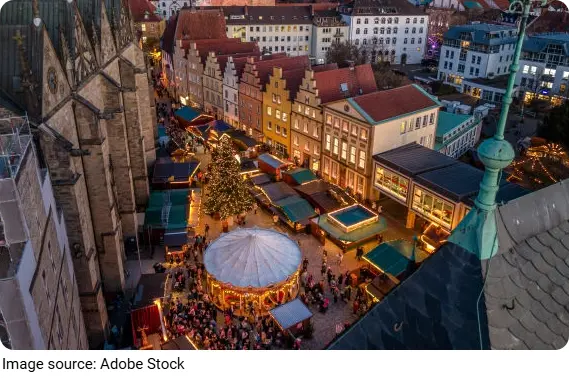
On the market square, the Town Hall anchors the city’s story with a stately Gothic façade and sculpted figures above its portal. A 90-minute guided tour (€6–€9 / $6–$10) walks through ceremonially furnished rooms and portrait galleries. Tours often fill on Saturdays—reserve online and arrive 10 minutes early at the side entrance.
Market Square
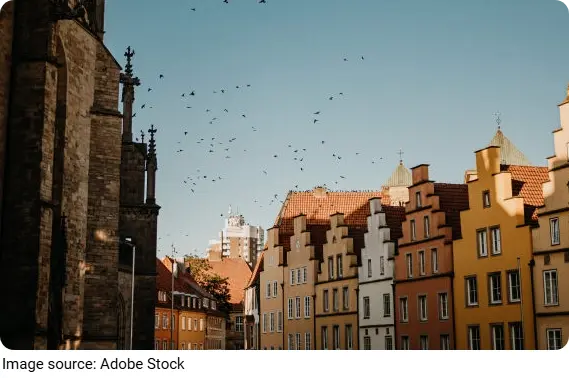
The surrounding Markt is a photogenic jumble of gables and stone towers. On Saturdays (morning–early afternoon) a friendly market spreads fruit, cheese, flowers, and hot snacks (most stalls take cards). For a budget lunch, cafés on the south side offer soups or tartines around €8–€12 ($9–$13)—snag a window seat for people-watching.
Design & Memory
The Felix Nussbaum Haus, a striking complex by Daniel Libeskind, links to the city’s cultural museum on one ticket (€8–€12 / $9–$13; closed Mondays). The galleries explore identity, place, and 20th-century art through powerful architecture. Plan 90 minutes; lockers are free and the bookshop stocks design titles.
City Stories
Next door, the Kulturgeschichtliches Museum traces local life with coins, textiles, carved stone, and everyday crafts. Labels are bilingual; families will enjoy the hands-on zones near the entrance. Combined time with the design complex: 2–2.5 hours. Go mid-morning to avoid group visits.
Kulturgeschichtliches Museum
Palace & Garden
A few blocks west stands Schloss Osnabrück, a dignified Baroque residence now part of the university. The palace garden (free, daylight hours) is ideal for strolls or open-air film nights in summer. Nearby cafés on Neuer Graben offer light lunches around €9–€14 ($10–$15) and good espresso breaks.
Neoclassical Arch
Walk up to Heger Tor, a graceful stone arch with a small lookout over the rooftops. Behind it, a short lane of cafés makes a perfect golden-hour stop—coffee or pastry €3–€4 ($4–$5).
Industrial Roots
Northwest at Piesberg, the Museum Industriekultur re-creates the city’s mining past inside a former colliery. Expect turbines, metal-work demos, and geology exhibits. Tickets €6–€9 ($6–$10); guided tunnel walks (selected days) add a small supplement—bring closed shoes and a jacket.
Botanical Escape
In Westerberg, the Botanical Garden spreads through a former limestone quarry, layering Mediterranean, North American, and Asian plants with an alpine rise. Entry is free; the main greenhouse opens limited hours, so check ahead. Allow 45–75 minutes, longer in spring bloom.
Family Zoo Time
The Osnabrück Zoo features large, naturalistic habitats and a popular underground zone for kids. Tickets €19–€25 ($20–$27), €12–€17 ($13–$18) children; family bundles save more. Plan 3–4 hours; rent a pull-cart at the gate for easy exploring.
Medieval Tower
Follow the old wall line to Bucksturm, a stout semicircular tower from the 1200s. Sunday openings include brief guided talks (€3–€5 / $3–$5). Exhibits focus on city defense and trade—an easy 30–45-minute add-on to your Altstadt walk.
Parks & Paths
For a jog or picnic, Bürgerpark (7 hectares) offers shady lawns, water features, and a perennial garden. The flat loop is stroller-friendly, and nearby cafés pack baguette-and-salad sets around €9–€12 ($10–$13). Evening joggers—stick to lit paths and wear reflective gear.
Seasonal Buzz
Each May, the center turns festival ground with music, crafts, and world food. Entry is free; dishes run €6–€11 ($6–$12). Book hotels 6–8 weeks ahead if you’re visiting then.
Money & Meals
Mid-range dinners cost €14–€22 ($15–$24); lunch sets €11–€15 ($12–$16). Tap water is safe—ask for Leitungswasser to save money. Many kitchens pause 14:30–18:00; bakeries bridge the gap with sandwiches and cakes €3–€6 ($3–$6).
Sample Day
Morning: Town Hall tour → coffee on Markt.
Midday: Design & City museums (combined ticket).
Afternoon: Botanical Garden or Piesberg Museum.
Evening: Heger Tor lane → relaxed dinner near Schloss.
Osnabrück rewards unhurried travel—compact distances, fair prices, and experiences that feel personal rather than packaged. Which corner will anchor your trip: design-forward galleries, industrial heritage, or garden calm? Share your focus and time frame, and let’s shape an itinerary that fits your pace and budget.