Cartaxo, Quiet Countryside

Elena Rossi
| 22-05-2026
 · Travel team
Friends, ready for a low-key Portuguese escape? Cartaxo sits on fertile plains by the Tagus, wrapped in orchards and grape-growing fields.
Expect slow riverside mornings, heritage farmhouses opened to visitors, and pocket museums that bring rural life to light. It’s close enough to Lisbon for an easy hop, yet peaceful enough to feel worlds away.

Getting There
From Lisbon’s Santa Apolónia or Oriente stations, regional trains to Santarém/Cartaxo take 45–60 minutes (about $6–$10 one way). Driving the A1 is ~50 minutes; tolls add roughly $5–$7. Base yourself in town or on a nearby quinta (country estate). Expect simple guesthouses from $55–$85 per night and tasteful farm stays from $90–$150.
Rural Museum
At the Museu Rural e do Vinho do Cartaxo—think “rural heritage museum”—step into a restored farmhouse to see period tools, presses, tack, clothing, and a reconstructed early-1900s tavern interior. Plan 60–90 minutes. Typical entry runs $3–$6, often with combined tickets for rotating exhibits. Photos are welcome; ask before snapping around archival images.
Museu Rural e do Vinho do Cartaxo
Palhota Hamlet
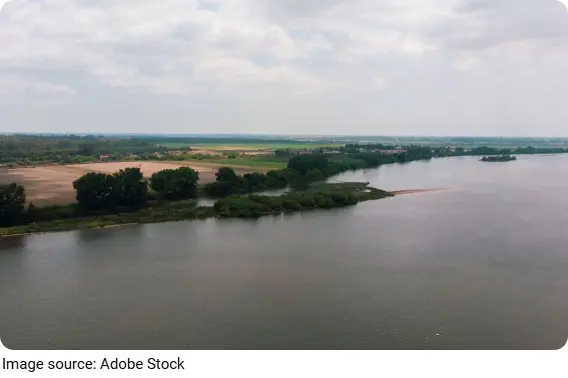
Drive a narrow lane to Aldeia de Palhota, a riverside community where weatherboard homes perch on stilts above floods. Wander the jetty, watch boats idle on the Tagus, and note the painted facades. Come at golden hour for the best light. No ticket; park respectfully and keep to paths—this is a living village, not a stage set.
Quinta Days
Five nearby quintas open their gates for visitors—Baia de Baixo, Gaio de Cima, Malhadas, Marchanta, Broiera. Typical offers: guided grounds tours, orchard walks, pool day passes, tree-top circuits, and Lusitano horseback lessons ($25–$55 for beginner sessions). Reserve ahead on weekends; many estates cap small-group spaces to keep things calm.
Cultural Center
Evenings free? Check the Centro Cultural do Município do Cartaxo. This modern venue runs music, dance, theater, and film screenings (many films in original audio with Portuguese subtitles). Tickets usually $6–$15; box office opens ~1 hour before shows. For dinner nearby, book casual Portuguese kitchens serving seasonal veg stews, grilled river fish, and hearty breads.
Stone Craft
Beside the main square, an early-1500s Manueline stone monument rewards a closer look. The lace-fine carving on a single column—ropes, botanical motifs, tiny figures—shows the flamboyant local stonecraft of the era. Visit by day; it’s free and fully outdoors. Bring a zoom lens if you love details.
Writers’ Corner
Pause by the Marcelino Mesquita statue, honoring the prolific late-19th-century playwright and journalist born here. Sit in the shaded pocket garden, where locals chat on benches. It’s a small stop, perfect between coffee runs and photo strolls along the tidy center streets.
Ring & Stage
The circular Praça de Toiros (bullring) dates to the 1800s and now hosts seasonal concerts and cultural events in addition to traditional shows. Even if you’re only after architecture, check the calendar for music nights—tickets often $10–$25. Guided visits are sometimes offered in summer; ask at the tourist office.
Pontével Stroll
Ten minutes’ drive lands you in Pontével, a calm parish with cobbled lanes and tile-fronted houses. Browse small grocers, snap azulejo details on stoops, and linger in the main square for an espresso ($1–$2). Late afternoon brings warm light and easy parking.
Falconry Stop
Across the river in Salvaterra de Magos, the Falcoaria Real (Royal Falconry) presents exhibits on raptor training and hosts flight demonstrations on select days. Standard entry is typically $4–$7; guided sessions cost more and sell out on weekends. Wear a hat—demonstrations are outdoors—and arrive 15–20 minutes early.
Day Trip: Santarém
For hilltop views, detour 25 minutes north to Santarém. Walk the Portas do Sol gardens along the old walls and scan the Ribatejo plain spreading to the horizon. Old-town cafés serve light lunches $8–$14. Parking inside the upper town is limited; consider the lower car parks and a short climb.
Seasonal Moments
Late summer to early autumn brings harvest-time pageantry across the municipality. Parades, culinary showcases, and a jovial “royal” selection celebrate the fields and local know-how. Expect street stages, artisan stalls, and family activities. Many events are free; bring small cash for crafts and snacks.
Local Flavors
Ribatejo plates lean rustic and satisfying. Seek pão de milho (cornbread), vegetable-and-bean soups, garlicky greens, olive-oil drizzles, and river fish grilled with lemon and herbs. Typical mains $10–$18; café pastries $1–$3. Markets carry fresh fruit from surrounding farms—perfect for picnic baskets on the Tagus.
Practical Tips
Cartaxo is compact. Walking the center takes 30–40 minutes; rideshare within town costs $4–$8. Car rental unlocks hamlets and estates; fuel runs $1.70–$2.10 per liter. Spring and autumn are mild (layers and a light rain jacket). Summer afternoons get hot—plan outdoor stops early or after 5 pm.
Where To Stay
For convenience, pick central B&Bs near the cultural center. For atmosphere, choose a quinta room—high ceilings, garden breakfasts, and breezy porches. Many include complimentary parking and loaner bikes. Ask about farm experiences (orchard tours, bread-making demos) when booking.
Conclusion
Cartaxo’s magic is unhurried: a stilthouse village at dusk, a falcon’s swoop, a quiet gallery inside a farmhouse. When you picture a perfect day here, does it start with a market basket, a riverside walk, or a shaded estate garden? Share the first stop you’d make—let’s help you fine-tune the route.