Riding Tips Inside

Finnegan Flynn
| 11-05-2026
 · Automobile team
Most riders sit in the center of the saddle through every corner, which works fine — until it doesn't.
What they're missing is a simple body positioning technique that lets the motorcycle corner more easily, gives more ground clearance, and makes the whole thing feel more connected and controlled.
The good news is the basic version isn't complicated, and it works on any type of motorcycle.
Why Body Position Matters
When you shift your body toward the inside of a turn, you move the combined center of gravity of rider and bike lower and toward the inside. This means the motorcycle doesn't have to lean as far to make the same corner at the same speed.
Less lean means more tire contact patch, more ground clearance, and more margin if you need to make a quick adjustment. Pre-positioning your body before the corner also acts like a trigger — the bike falls into the lean more decisively when you've already shifted your weight toward the turn.
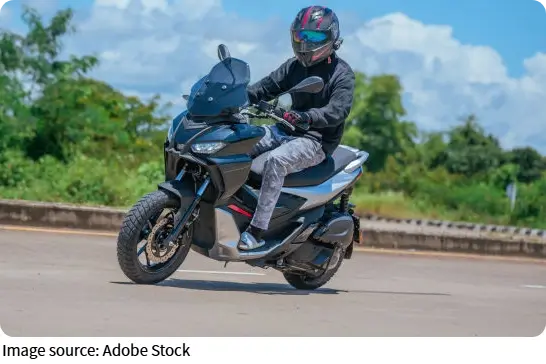
The Basic Position: Where to Start
For everyday street speeds, the basic position is all you need. Lean your upper body slightly off-center, toward the inside of the turn. Think of positioning yourself as if you were trying to kiss your inside mirror. Keep your inside shoulder low and forward, with your eyes looking through the curve.
Your hips stay more or less centered on the seat. That's it. Simple to do, not at all intimidating, and it makes a noticeable difference in how the bike responds.
The Intermediate Position: For Twisties
When riding more aggressively on winding roads, rock your hips so that your inside sit-bone takes most of your weight. Think of it like reaching for something just out of reach from a chair — a slight shift, not a dramatic movement.
This repositions your arms perfectly for countersteering, with your inside arm and shoulder applying pressure to the inside handlebar, and your outside arm naturally extended and relaxed. Get your body in position before the corner, not during it. Adjusting mid-corner while also trying to turn the bike creates unnecessary chaos.
One Important Exception
At very slow speeds — parking lots, tight U-turns — body positioning works in reverse. Keep your body upright and on top of the bike while leaning the motorcycle beneath you.
At low speeds, there's almost no stabilizing force from momentum, so shifting weight to the inside of a slow turn actually levers the bike toward the ground rather than helping it corner. The rear brake drag and friction zone technique from low-speed riding takes over as the primary tool here.
Arms and Hands
Whatever position you're in, keep your arms relaxed and slightly bent. A death grip on the handlebars not only tires your forearms but also disrupts front-end feedback — the bike's front wheel can't communicate what it's feeling if your hands are rigid. Support your weight with your legs and torso, not your arms.
When moving from one side to another between corners, use your legs to shift position, not the handlebars. Pressing on the bars to move your body unsettles the chassis and can disturb traction right at the moment you're about to lean in.
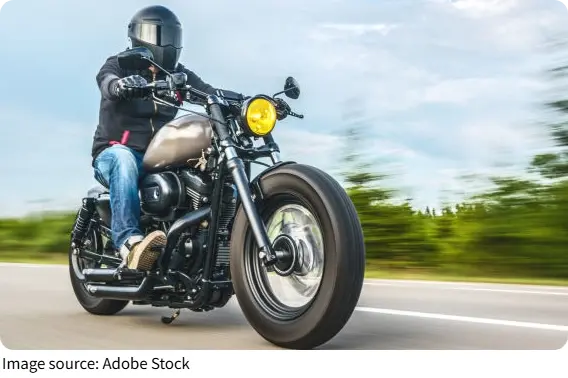
Shift your body toward the inside of a turn to lean less, gain more ground clearance, and improve control. For street speeds, lean your upper body slightly off-center. At slow speeds, keep your body upright. Relax your arms, use your legs to move, and position yourself before the corner.