Walk It Off

Raghu Yadav
| 12-05-2026
 · News team
Ready to enjoy the outdoors while taking care of your health? Walking in nature or through one of your favorite cities can do much more than refresh your mind—it can be an excellent way to support weight management and improve overall well-being.
Lykkers, let’s explore how regular, brisk walks can bring lasting benefits, what pace and duration yield results, and how to make the most of this easy, enjoyable activity.
The Benefits of Brisk Walking
Effective Calorie Burn
Walking at a steady pace increases energy expenditure. Depending on body weight and walking speed, a person can use a significant number of calories each hour—making it a useful tool to help manage weight.
Cardiovascular Support
Brisk walking elevates the heart rate and promotes better circulation. Regular practice contributes to maintaining a healthy cardiovascular system and can assist in balancing blood pressure levels.
Muscle Engagement and Toning
Although it may seem gentle, walking at a moderate to fast pace engages muscles in the legs and hips. Over time, this helps with firmness and visible toning.
Boosts Metabolism
Consistent walking helps develop lean mass. This supports a more efficient metabolism, which allows the body to utilize energy more effectively—even during periods of rest.
Improves Mood
Moving regularly boosts the release of endorphins—natural mood enhancers that support emotional well-being and help reduce stress.
Vitamin D Exposure
Spending time outdoors with some skin exposed to sunlight helps stimulate the body’s natural production of vitamin D. When ultraviolet B (UVB) rays reach the skin, they trigger a process that allows the body to produce this essential nutrient, according to the National Institutes of Health.
For many people, brief periods of sun exposure may support vitamin D production, although the exact amount of time needed varies depending on factors such as skin tone, location, season, and weather conditions. The Mayo Clinic notes that while even short periods outdoors can be beneficial, there is no single recommended duration that applies to everyone.
Regular outdoor time, when balanced with appropriate sun protection, can be one practical way to help maintain healthy vitamin D levels.
Accessibility and Safety
Walking requires no special equipment, training, or memberships. It’s suitable for most fitness levels and ages. As a low-impact activity, it’s gentle on joints and muscles while offering solid health benefits.

How Much Walking Helps With Weight Control?
Recommended Weekly Target
Experts suggest walking around 300 minutes weekly at a steady pace for weight management. This can be spread out across most days—typically 30–60 minutes per session. Another popular goal is achieving 10,000 steps a day.
Intensity Level
A moderate pace usually means around 5–6 km per hour. Walking at this rate will make breathing slightly deeper and may cause a mild sweat. Including slight inclines or varying the surface can increase intensity and calorie usage.
Consistency Matters
Regularity brings results. Making walking part of a daily or near-daily routine helps sustain weight balance over time and avoids inconsistent progress.
Estimated Weight Loss from Walking
Understanding Calorie Use
Energy usage during walking depends on body weight and speed. For example, a person weighing 75 kg may use 30–38 calories per kilometer walked. Over time, this adds up.
Caloric Deficit
A deficit of 7,000 calories is typically linked with about 1 kg of weight loss. To reach this through walking alone, a person weighing 75 kg may need to walk between 187 and 230 kilometers—equivalent to about 40–50 hours of walking.
Daily Commitment
Walking for 60 minutes a day over the course of a month can help reach the activity needed to notice visible results in body composition and energy levels.
How to Start and Stay Motivated
Change the Route
Varying the route can keep the routine exciting. Trails with inclines or natural surfaces help strengthen muscles further and support higher calorie use.
Begin with Short Sessions
Start with 10–15 minutes if unaccustomed to regular activity, and gradually increase as comfort and stamina improve.
Build Up Gradually
As endurance grows, extend the time and adjust the pace. Always listen to the body. If any discomfort occurs, reduce speed or duration.
Stay Entertained
Walking can be a perfect time to enjoy a favorite playlist or podcast. It can also become a social moment with friends or family.
Tips for Better Results
Posture and Form
Keep the head upright, back relaxed, and shoulders aligned. Swing the arms gently at a 90° angle for added movement and balance.
Add Intervals
Short periods of faster walking can increase intensity and help boost results.
Use Gentle Weights
Small hand or ankle weights may increase challenge levels, but use with care and only when already accustomed to walking.
Stay Hydrated
Drink enough water throughout the day to support activity and help regulate body temperature.
Track Progress
Use step counters or mobile apps to set goals and stay motivated over time.
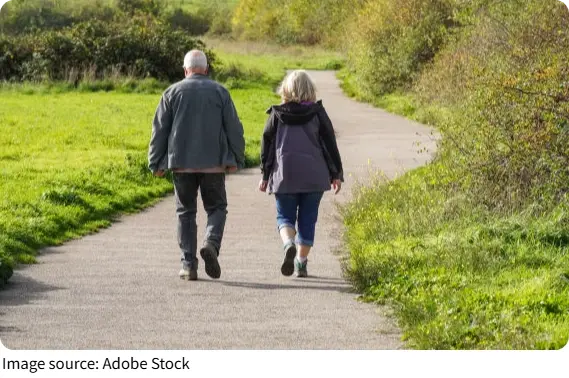
Common Mistakes to Avoid
Skipping Warm-Up or Cool-Down
Always include 5–10 minutes of slow-paced walking before and after to avoid muscle tension and increase flexibility.
Poor Posture
Looking down at the ground or hunching the shoulders may reduce walking efficiency and cause discomfort over time.
Inadequate Footwear
Choose walking-specific shoes with good support and cushioning to reduce the impact on joints and keep movement fluid.
Conclusion: Walking Made Simple and Rewarding
Lykkers, adding brisk walking into your daily schedule can be one of the simplest yet most effective changes for better health and improved physical condition. No need for complicated equipment or intense workouts—just consistent steps, a positive attitude, and a desire to move.
Keep it enjoyable, and you'll find it much easier to stay on track and feel great, both physically and mentally. Now lace up and start your journey—one step at a time!