Car Care Habits That Last

Camille Dubois
| 14-05-2026
 · Automobile team
Cars start losing value the moment you drive off the lot, but how long they stay reliable is mostly up to you.
With smart habits, some owners enjoy over 200,000 miles without major repairs, while others struggle before 80,000. The difference usually isn't luck — it's habits.
Follow the Maintenance Schedule, Actually
The owner's manual isn't just a heavy bookmark. It contains a service schedule tailored to your exact make and model, outlining when to change fluids, replace filters, and inspect systems. Most drivers know about oil changes, but fewer follow through on the air filter replacement at 15,000–30,000 miles or the transmission service interval. Skipping these doesn't just risk the component — it can void warranty coverage.
Drive More Smoothly
Rapid acceleration wears out the drivetrain faster. Hard braking wears down the pads faster. Sharp cornering adds stress to the suspension. None of this is hypothetical — it's physics. Accelerating gently from stops, braking gradually when possible, and avoiding sudden directional changes extends the life of the engine, transmission, brakes, and tires simultaneously. Good driving habits cost nothing and quietly save you a lot.

Take Care of the Transmission
Transmission fluid lubricates the gears and prevents overheating. Over time, it degrades and turns darker — healthy fluid looks reddish and translucent; fluid that's gone dark brown or has a burnt smell needs replacing. Also, never shift into drive while the car is still rolling backward, and never shift into park until fully stopped. These habits protect the transmission from stress it wasn't designed to absorb.
Watch the Battery
Short trips are hard on car batteries because they don't give the alternator enough time to fully recharge the battery after starting the engine. Try to combine errands when possible. Keep the terminals clean and free of corrosion — a buildup of white or bluish crust increases resistance and can lead to slow starts or no-start situations. Most batteries last 3–5 years, but how they're treated matters.
Protect the Exterior and Interior
Dirt, salt, and UV exposure all degrade paint and metal over time. Regular washing — especially in winter and in coastal climates where salt is common — removes corrosive material before it does damage. Waxing a couple of times a year seals the paint and adds UV protection. Park in the shade when possible. Inside, floor mats and seat covers prevent wear on the upholstery and carpets. These aren't just aesthetic measures — they protect the car's value.
Don't Ignore Warning Signs
Unusual noises — squealing, grinding, knocking — are the car trying to tell you something. Vibrations, rough idling, or a pulling sensation when braking are the same. Catching small issues early almost always costs less than fixing the larger failure they lead to. Develop the habit of noticing when your car feels or sounds slightly off, and act on it before it becomes worse.
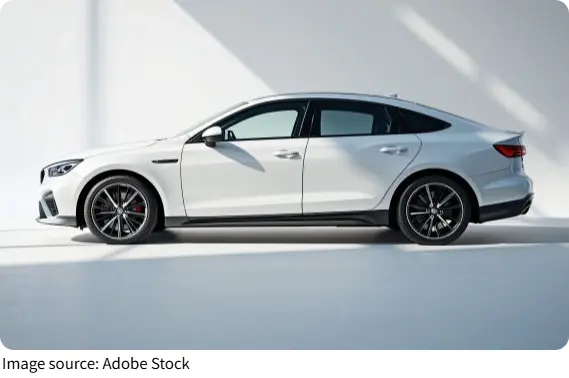
By following these simple habits, you not only extend your car’s lifespan but also avoid costly repairs and maintain its value. Small, consistent actions today can lead to thousands of stress-free miles tomorrow.