Next-Gen Car Infotainment

Sofia Alvarez
| 20-05-2026
 · Automobile team
Imagine you're cruising down the highway, your favorite song blasting through the speakers, and you suddenly need to make a quick phone call or check your messages.
Instead of fumbling with your phone, you simply speak a command or tap a few buttons, and everything is done.
Car infotainment systems are evolving at lightning speed, and the future promises even smarter, more interactive experiences that could transform how we interact with technology on the road. But how exactly will this shift happen? Let's dive into the next generation of in-car entertainment systems and how they'll enhance user experience and interactivity.
The Role of Voice Control in Driving Experience
Voice-activated technology has already made its way into many cars, but as voice recognition continues to evolve, we can expect it to become the cornerstone of in-car infotainment systems.
Hands-free convenience: One of the biggest advantages of voice control is the ability to stay focused on the road. Imagine being able to answer calls, play music, or even navigate using maps—all without touching the screen or taking your hands off the wheel. This technology will soon become more accurate, understanding not only commands but also the context, making it feel more like having a natural conversation with your car.
Real-time assistance: Modern voice assistants are becoming smarter by the day. For example, the voice assistant could suggest taking a detour when there's traffic ahead or offer personalized suggestions based on previous preferences.
Personalized responses: In the near future, voice assistants will use artificial intelligence (AI) to learn your preferences over time. From your favorite radio stations to the preferred cabin temperature, voice recognition systems will create a personalized experience that feels intuitively tailored to you.
Interactive Touchscreens and Augmented Reality
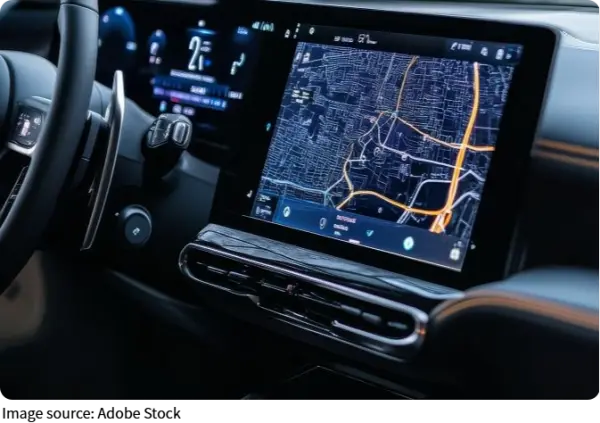
Gone are the days of small, static screens with limited functionality. The future of car infotainment systems will be marked by larger, more dynamic screens that deliver an immersive user experience.
Larger displays: Infotainment screens are expected to become larger and more interactive. Think of wide, panoramic displays that can adapt to show maps, media controls, and even real-time traffic updates—all in one cohesive view. This doesn't just improve accessibility; it also makes the driving experience feel more futuristic.
Augmented reality (AR) navigation: One of the most exciting features of future car infotainment systems is augmented reality navigation. By overlaying directions on the real-world view through the windshield, AR could make it easier to follow complex directions, especially in unfamiliar or densely packed areas. Instead of relying solely on a map or GPS, drivers will have visual cues in the real world guiding them to their destination.
Gesture-based controls: In addition to touchscreens, expect gesture-based systems that allow drivers to control the system without physically touching anything. Waving your hand to change the music, or making a circular motion to increase the volume, will become more intuitive and safe, keeping distractions to a minimum.
Advanced interactive features will enhance the user interface, allowing drivers to engage more fluidly with their car's entertainment and navigation systems.
Seamless Integration with Personal Devices
As our smartphones become more powerful, the desire for seamless connectivity between our devices and our car grows. The future of car infotainment is about syncing your devices to create a connected ecosystem that moves with you.
Device synchronization: Future infotainment systems will allow seamless integration with smartphones, wearables, and other smart devices. Whether it's syncing your calendar or accessing your favorite podcasts from your phone, this integration will help ensure your car is an extension of your digital life.
Multi-device support: Imagine having your smartwatch, phone, and in-car system working together. Need directions to the nearest coffee shop? Your smartwatch will send the information to your car's navigation system, and your phone can be used to make a reservation. The future is all about a synchronized, multi-device ecosystem that makes everyday tasks more efficient.
Wireless charging and connections: Charging devices and connecting to the car's system will no longer require cables or adapters. Wireless charging pads and Bluetooth connectivity will make sure all your devices are constantly powered and connected without any hassle.
Enhanced Connectivity with IoT and 5G
The integration of 5G networks and the Internet of Things (IoT) into vehicles will take infotainment systems to the next level by offering faster, more reliable connectivity.
Real-time data: With 5G, cars will be able to download and process large amounts of data in real time. This means your car's infotainment system will be continuously updated with the latest traffic conditions, entertainment options, and even personalized content such as news and social media feeds.
Vehicle-to-everything (V2X) communication: This technology will enable vehicles to communicate not only with each other but with other elements of the infrastructure, such as traffic lights, smart signs, and even pedestrians. By integrating these systems into infotainment systems, drivers will have access to real-time safety information, such as collision warnings or changes in road conditions.
Entertainment on-demand: Imagine streaming your favorite movies or TV shows during long road trips, all in HD quality. With 5G connectivity, high-bandwidth streaming will become a reality in cars, offering passengers in the backseat a much richer entertainment experience.
The Future of In-Car Entertainment
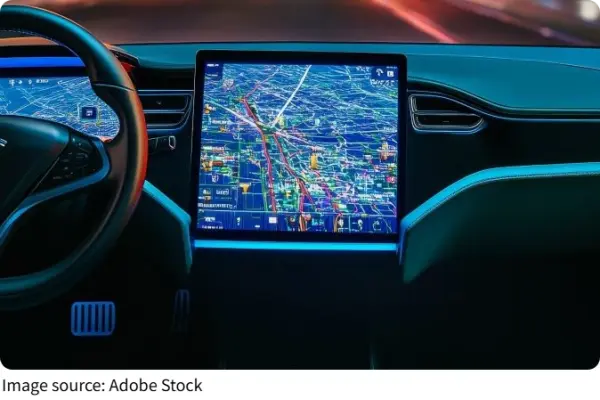
The future of in-car entertainment is about creating a seamless, user-centered experience that enhances both safety and enjoyment. By integrating voice control, interactive displays, device connectivity, and 5G-powered systems, cars will evolve into smart, personalized companions. Driving will not just be a task—it will become an immersive, connected, and enjoyable experience that adapts to your needs wherever you go.
Ultimately, these innovations aim to make driving safer, more enjoyable, and more connected. The future of infotainment isn't just about entertainment—it’s about transforming the car into a smart companion that works for you every mile of the journey.