Where Cliffs Hold Water

Pardeep Singh
| 28-07-2026
 · Travel team
Friends, in the Sunnmøre region of Møre og Romsdal county in western Norway, a narrow fjord cuts 15 kilometers into the mountainside between vertical cliffs that rise over 1,000 meters on both sides. The Geirangerfjord—a UNESCO World Heritage Site—is one of the most visited and most photographed natural landscapes in Scandinavia, a place where waterfalls plunge hundreds of meters directly into deep blue fjord water, where abandoned mountain farms cling to impossibly steep slopes, and where the scale of the surrounding rock walls makes even large cruise ships look like toys drifting through a bathtub.
Seven Sisters Waterfall
The fjord's most famous feature is the Seven Sisters—a cluster of seven individual streams that plunge between 250 and 400 meters from the cliff face into the fjord. The falls are most powerful during May and June, when spring snowmelt from the mountain plateau above feeds maximum water volume. By late summer, drier conditions reduce several of the streams to thin ribbons. Directly across the fjord, the "Suitor" waterfall appears to face the Seven Sisters—local folklore imagines a permanent courtship between the two cascades. The falls are best viewed from the water.
Fjord Cruises
Sightseeing cruises are the primary way to experience the Geirangerfjord up close. Standard scenic cruises lasting 75 minutes to 2 hours cost approximately $60 to $120 (600 to 1,200 NOK) per . The Geiranger-to-Hellesylt car and passenger ferry crosses the full length of the fjord for approximately $37 (375 NOK) per —a budget-friendly alternative that delivers many of the same views. RIB (rigid inflatable boat) tours offering a faster, more adventurous perspective cost approximately $90 to $110 (900 to 1,100 NOK). Silent electric-powered vessels are increasingly available, reducing engine noise and allowing passengers to hear the waterfalls echoing off the cliff walls.
Kayaking the Fjord
Guided kayak tours provide the most intimate fjord experience—paddling beneath the Seven Sisters while spray from the falls drifts across the water. Two- to three-hour guided tours cost approximately $90 to $130 (900 to 1,300 NOK) per person, including all equipment and instruction. Multi-day kayaking and camping expeditions—combining paddling with overnight stays along the fjord—run approximately $490 (4,900 NOK) per person. No prior experience is required for standard guided tours, though reasonable fitness is recommended. The kayaking season runs from May through September.
Dalsnibba Viewpoint
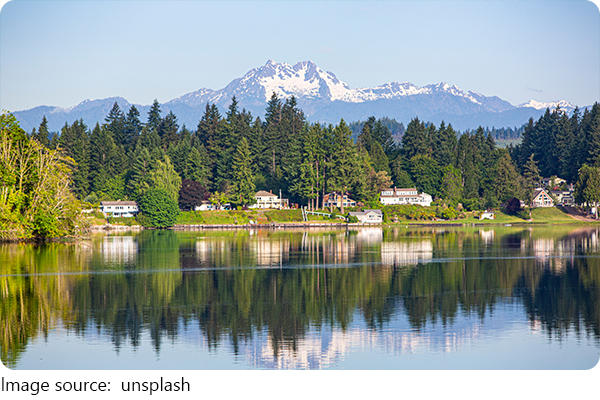
For the most dramatic aerial perspective of the Geirangerfjord, the Dalsnibba mountain viewpoint (Geiranger Skywalk) rises 1,500 meters above sea level, delivering a bird's-eye panorama of the fjord, the village, the surrounding mountains, and—on clear days—the distant ocean. Access is via a private toll road costing approximately $38 (380 NOK) per car. Guided bus or minivan tours from Geiranger to Dalsnibba and other viewpoints cost approximately $120 to $150 per person. The road is open from approximately June through October, weather permitting.
Hiking Options
The mountains surrounding Geiranger offer hiking for every fitness level. The Skageflå farm hike—reachable by boat to Skagehola, then a steep climb to an abandoned mountain farm—delivers direct views of the Seven Sisters from across the fjord. The Storseterfossen trail from Vesterås Farm leads to a unique waterfall you can walk behind—a moderate, family-friendly hike of roughly two hours round trip. The Fosseråsa trail, Norway's first national hiking trail, begins from the village center and winds uphill through forested terrain to elevated viewpoints. All hiking trails are free.
Where to Stay
Geiranger village offers accommodation from camping to luxury hotels, though peak-season availability requires booking months ahead. Hotels including Hotel Union Geiranger, Havila Hotel Geiranger, and Grande Fjord Hotel range from approximately $150 to $250 (1,500 to 2,500 NOK) per night. Hotel Utsikten, perched above the village, offers some of the most spectacular fjord views from approximately $180 to $280 nightly. Camping and cabin options at Geirangerfjorden Feriesenter and Vinje Camping cost approximately $30 to $90 (300 to 900 NOK) per night. Self-catering cabins with kitchen access range from $80 to $180 nightly, significantly reducing food costs in a country where restaurant dining averages $25 to $50 per person.
Getting There
Ålesund—the nearest major city with an airport and port—sits approximately 110 kilometers northwest of Geiranger. Flights from Oslo to Ålesund take roughly one hour, with advance fares from approximately $60 to $150 one way. The drive from Ålesund to Geiranger takes approximately 2.5 to 3 hours along scenic mountain roads, including the famous Eagle Road (Ørnevegen) with its dramatic hairpin switchbacks and fjord views. Car rental from Ålesund airport starts at approximately $50 to $100 per day. Coastal ferry connections from Bergen and other western Norwegian ports also serve the region.
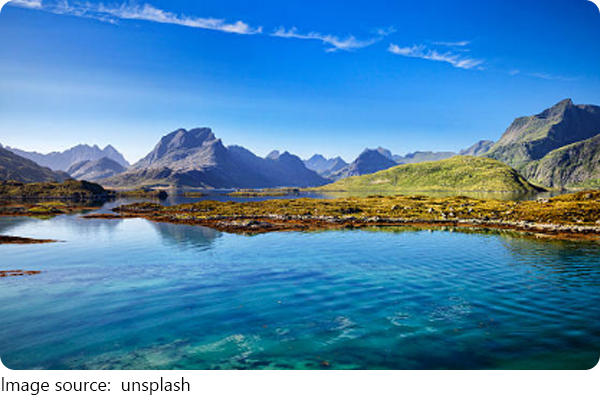
Lykkers, the Geirangerfjord is the kind of landscape that forces you to recalibrate your sense of scale—cliffs higher than skyscrapers, waterfalls longer than city blocks, and a silence broken only by the sound of water falling from heights that seem impossible. Have you ever stood in a place where the natural world made human engineering feel small by comparison?