Granite Reflected in Glass

Sofia Alvarez
| 28-07-2026
 · Travel team
Lykkers, in the heart of Yosemite Valley, a vertical wall of granite rises 900 meters from the valley floor in a single, unbroken sweep of rock—the largest exposed granite monolith in North America. El Capitan stands at the western entrance of Yosemite Valley, its sheer face reflected in the calm waters of the Merced River below, creating one of the most iconic natural compositions anywhere on Earth. The river, the rock, and the light interact differently every hour, every season, every time the wind shifts the surface of the water. This is not a destination you visit once and understand—it is a destination that reveals something new with every return.
Valley View
The classic photograph of El Capitan reflected in the Merced River is captured from Valley View—a pullout on Northside Drive near the park's western exit. This viewpoint is free, requires no hiking, and delivers the full composition of El Capitan, Bridalveil Fall, and the river in a single frame. Late afternoon light—particularly in spring when the river runs full—produces the warmest tones and the most vivid reflections. Early morning visits, before other visitors arrive, offer the stillest water. There is no entrance fee for the viewpoint beyond the park's general admission.
Park Entry
Yosemite National Park charges $35 per vehicle for a seven-day pass. The Yosemite Annual Pass costs $70, while the America the Beautiful Pass at $80 covers all U.S. national parks for 12 months. International visitors face an additional $100 per-person surcharge (ages 16 and up), which can be avoided by purchasing the $250 non-resident annual pass covering all occupants of one vehicle. Currently, no peak-hour reservation is required for entry, though this policy changes periodically—checking the official NPS website before departure is essential.
Hiking Near El Capitan
The Yosemite Valley Loop Trail—a 7.2- to 11.5-mile route circling the valley floor—passes directly beneath El Capitan, through meadows, and along the Merced River. The trail is mostly flat and offers rare moments of solitude even during peak season. The Lower Yosemite Falls trail (1 mile round trip, easy, free) delivers quick waterfall access. For a more strenuous experience, the Mist Trail follows the Merced River steeply upward past Vernal Fall and Nevada Fall—a 5.4-mile round trip gaining 1,000 feet of elevation, rated moderate to strenuous, and one of the most popular hikes in the park. All trails are free beyond the park entrance fee.
River Activities
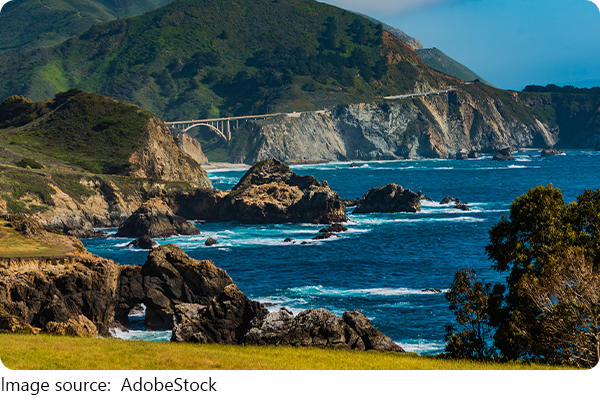
The Merced River provides swimming opportunities at several sandy beach areas in Yosemite Valley during summer months (July through early September), when water levels drop and temperatures warm. Swimming is free and unstructured—no lifeguards are on duty. Sentinel Beach and Swinging Bridge Beach offer the most popular swimming spots. Spring runoff (April through June) makes the river too cold and fast for safe swimming but produces the most dramatic waterfall displays. Rafting on calm sections of the Merced is permitted during summer—raft rental from the park concessionaire costs approximately $30 to $35 per person for a three-mile float.
Where to Stay
In-park accommodation books months in advance. Curry Village offers canvas tent cabins from approximately $160 per night and cabins with private bathrooms from $220 to $280 nightly. Yosemite Valley Lodge—centrally located with restaurant access—runs $250 to $400 per night. The Ahwahnee—the park's legendary luxury hotel—commands $500 to $1,200+ per night, with its prix fixe dinner starting at $95 to $125 per person. Campgrounds within the valley cost $36 per night at sites like Upper Pines, while walk-in Camp 4 costs $10 per person per night. Reservations for all campgrounds open five months in advance on Recreation.gov and sell out within minutes.
Gateway Towns
When in-park lodging is unavailable, gateway communities offer alternatives. El Portal—the closest town to the Arch Rock entrance—provides hotels and lodges from $150 to $350 per night, just 30 minutes from the valley floor. Mariposa, roughly 45 minutes south, offers motels from $100 to $200 and a wider selection of restaurants. Groveland to the west and Oakhurst to the south offer similar ranges. Grocery shopping in gateway towns before entering the park saves significantly—self-catered meals cost approximately $15 to $25 per person per day versus $30 to $50 at park restaurants.
Seasonal Guidance
Late spring (May to June) delivers peak waterfall volume—the Merced River runs full, Bridalveil and Yosemite Falls thunder, and the valley is at its most dynamic. Summer (July to August) brings warm temperatures ideal for swimming and hiking but the largest crowds. Autumn (September to October) offers golden light, thinning crowds, and comfortable temperatures. Winter transforms the valley into a quieter, snow-dusted landscape where El Capitan's granite face contrasts dramatically against white forest—a photographer's dream with a fraction of peak-season visitors.
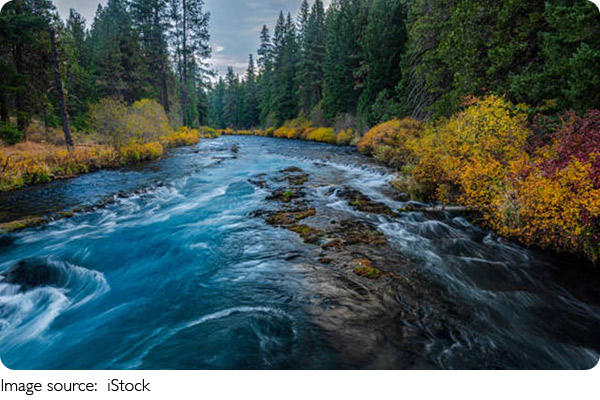
Readers, El Capitan and the Merced River together form one of those rare natural pairings where the reflection is almost as dramatic as the original—900 meters of vertical granite doubled in still water, framed by forest, and illuminated by California light that seems designed specifically for this valley. What is the most awe-inspiring vertical landscape you have ever stood beneath, and did it make you feel small in the best possible way?