Cobblestones Keep Secrets

Ethan Sullivan
| 27-07-2026
 · Travel team
Friends, on the eastern shore of the Baltic Sea, a capital city hides one of Europe's most remarkable architectural concentrations behind a modest international profile. Riga, Latvia, holds a medieval old town of cobblestone lanes, guild houses, and red-tiled rooftops—all UNESCO-listed—alongside the world's densest collection of Art Nouveau buildings, numbering over 800 ornately decorated facades. What makes Riga exceptional among European capitals is not only the visual splendor but the accessibility—this is one of the continent's most affordable city-break destinations, where a day of world-class sightseeing, excellent food, and historic accommodation costs roughly half what comparable cities charge.
Art Nouveau Quarter
Riga holds more Art Nouveau (Jugendstil) buildings than any city on Earth—over 800 structures built primarily between 1901 and 1914. Alberta iela (Alberta Street) is the crown jewel, where nearly every building displays an ornate facade of mythological figures, screaming masks, floral garlands, and geometric patterns. Elizabetes iela and Strēlnieku iela offer additional concentrations. Walking these three streets takes approximately 45 minutes and costs nothing—this is an open-air museum of architectural excess. The Riga Art Nouveau Museum at Alberta iela 12 allows entry into a fully restored period apartment, complete with original furnishings, tiled stoves, and a celebrated spiral staircase. Summer admission (May through September) costs approximately $10 (€9), with winter rates dropping to approximately $5.50 (€5). Reduced rates for students are $5.50 and $3.30 respectively.
Old Town Landmarks
Riga's medieval core—Vecrīga—rewards wandering without a fixed itinerary. The Three Brothers, a row of three adjoining houses dating from the 15th to 17th centuries, represent different architectural periods on a single street. The House of the Blackheads on Town Hall Square features one of the most ornate facades in Northern Europe—rebuilt in the 1990s from historical records. The Cat House, with its distinctive feline sculptures perched on the turrets, anchors a nearby corner. Konventa Courtyard hides a quiet interior space of boutiques and cafés behind an unassuming entrance. Rozena Street—narrow enough to touch both walls simultaneously—is the old town's most intimate passage. All are free to view from the exterior.
Tower Views
For the best panoramic perspective of Riga's rooftops, the tower of a major historic building in the old town offers an observation deck reached by elevator. admission costs approximately $10 (€9). The view encompasses the red-tiled medieval rooftops, the Daugava River, and the Art Nouveau district beyond. The Riga Rise observation wheel—opened in 2025—provides a modern alternative at 65 meters, with tickets from approximately $8 to $12 for a full rotation.

Central Market
The Riga Central Market—housed in five enormous former Zeppelin hangars—is one of the largest and most authentic food markets in Europe. Entry is free. Inside, individual pavilions specialize in dairy, produce, fish, baked goods, and prepared foods. Smoked fish, dark rye bread, local cheeses, and seasonal berries are among the highlights. A full market lunch costs approximately $5 to $10 per person. Guided food tours, which include tastings and cultural context, cost approximately $20 to $28 (€18 to €25) per person. The market operates daily, typically from 7:00 AM to 6:00 PM, with reduced hours on Sundays.
Where to Stay
Riga's accommodation is remarkably affordable by European capital standards. Hostels and budget guesthouses in the old town start from approximately $20 to $45 per night. Three-star hotels range from $70 to $100 nightly. Boutique hotels in restored historic buildings—many retaining original architectural details—cost $85 to $150 per night. Booking during shoulder season (September to November, March to May) secures the lowest rates. The December holiday market season and peak summer months command higher prices—booking one to two months in advance is advisable.
Getting Around
Riga's old town and Art Nouveau quarter are within comfortable walking distance of each other—roughly 20 minutes on foot. The city's public transport network of trams, buses, and trolleybuses is efficient and affordable at approximately $1.50 to $2 per ride. The Bolt ride-hailing app provides transparent pricing for airport transfers and longer trips—a ride from Riga International Airport to the old town costs approximately $10 to $18 and takes roughly 15 minutes. Walking remains the best and cheapest way to experience the city center's detail-rich architecture at ground level.
Day Trip Options
Riga serves as an excellent base for two popular day trips. Sigulda—called the "Switzerland of Latvia"—lies 50 kilometers northeast and offers castle ruins, forested valleys, and a cable car spanning the Gauja River. The train from Riga takes approximately one hour and costs $3 to $5 one way. Jūrmala, Latvia's famous Baltic seaside resort, sits just 25 kilometers west, reachable by train in 30 minutes for $2 to $4. The town features long sandy beaches, pine forests, and distinctive wooden Art Nouveau summer houses.
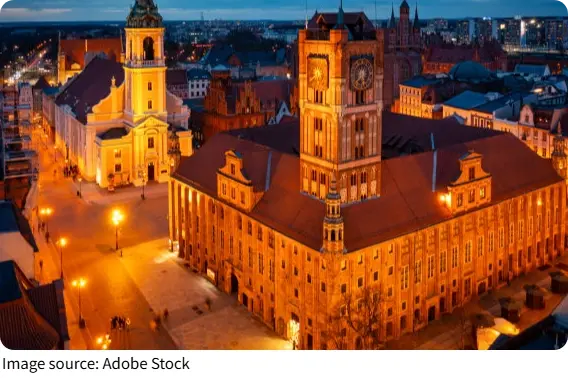
Lykkers, Riga delivers something increasingly rare in European travel—a capital city of genuine world-class architectural beauty that remains genuinely affordable. The Art Nouveau facades alone would justify a visit at twice the price, and the medieval old town adds a layer of cobblestone history that most Baltic cities cannot match. Have you ever discovered a European capital that felt like a secret—beautiful, accessible, and somehow still under the radar?