Limestone Towers on Water

Pankaj Singh
| 27-07-2026
 · Travel team
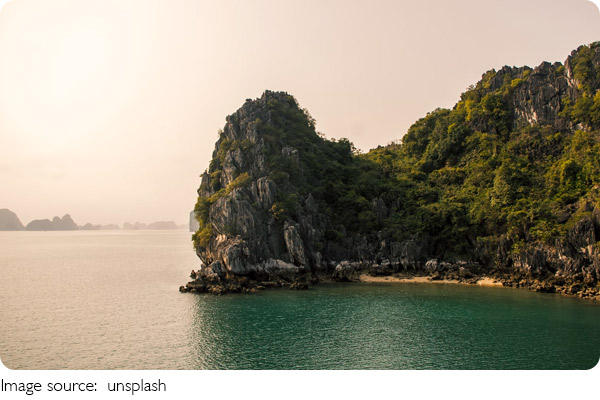
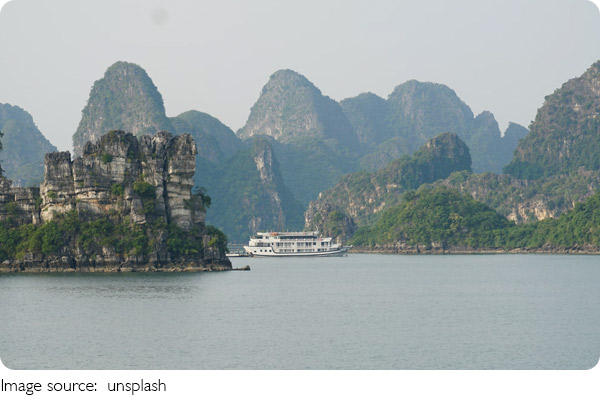
Friends, in the Gulf of Tonkin off northeastern Vietnam, nearly 2,000 limestone karst islands and pillars rise from emerald-green water in formations so dense and so varied that navigating through them by boat feels like drifting through a flooded mountain range. Ha Long Bay—a UNESCO World Heritage Site and one of the New Seven Natural Wonders—covers approximately 1,500 square kilometers of seascape where towering stone columns, hidden caves, floating villages, and secluded lagoons create a landscape that shifts with every turn of the hull. No photograph captures the scale. The bay demands to be experienced from the water.
Choosing a Cruise
Cruises are the primary and most rewarding way to explore Ha Long Bay, and the range of options spans from budget day trips to luxury multi-night experiences. Day cruises (4 to 8 hours) cost approximately $45 to $130 per person and typically include lunch, one cave visit, and a short kayaking session. Overnight cruises (2 days/1 night) cost approximately $100 to $250 per person for mid-range options and $250 to $600+ for luxury vessels with private balconies and premium dining. Three-day/two-night cruises extend the experience into Bai Tu Long Bay or Lan Ha Bay—quieter, less-trafficked alternatives to the main Ha Long route. Most reputable cruises include meals, kayaking, cave entrance fees, and guided activities in the ticket price—always confirm whether Hanoi transfer is included, as separate shuttle costs can add $25 or more.
Sung Sot Cave
Sung Sot (Surprise Cave) is the largest and most famous cave in Ha Long Bay, located on Bo Hon Island. A climb of approximately 100 to 150 stone steps leads to the entrance, opening into massive chambers decorated with stalactites and stalagmites illuminated by colored lighting. The walking path inside extends roughly 500 to 800 meters. Sung Sot is a standard stop on most "Route 2" cruises—the cave entrance fee is typically included in the cruise package. Visiting early in the morning (7:00 to 9:00 AM) avoids the heaviest foot traffic from day-trip boats that arrive later. Sturdy walking shoes with grip are essential—the stone steps can be slippery.
Kayaking the Karsts
Kayaking through the limestone karst formations is one of the bay's most immersive activities—paddling through arched cave openings into hidden lagoons surrounded by vertical stone walls draped in jungle vegetation. Most overnight cruises include a guided kayaking session at no additional cost, with popular locations including Luon Cave, Ba Hang, and the Cong Do area. Independent kayaking in the core heritage zone is heavily regulated—using your cruise operator's guided sessions ensures compliance with local licensing requirements and access to approved routes. Two-person kayaks are standard, and no prior experience is required.
Getting There
Ha Long Bay is approximately 160 to 170 kilometers east of Hanoi, with several transport options. Shuttle buses arranged by cruise operators take approximately 2.5 to 4 hours and cost $10 to $25 per person one way (often included in cruise packages). Private car transfers from Hanoi cost approximately $50 to $80 one way. The expressway from Hanoi to Ha Long City has reduced driving time significantly compared to the old coastal route. Domestic flights to Van Don International Airport (VDO)—roughly 50 kilometers from Ha Long City—offer an alternative from Ho Chi Minh City and other Vietnamese cities, with one-way fares from $40 to $120.
Where to Stay
Overnight cruises function as floating accommodation, eliminating the need for a separate hotel. For travelers preferring land-based stays, the Bai Chay district of Ha Long City serves as the main tourist zone, with budget hotels starting from $20 to $40 per night and mid-range options from $45 to $100. Cat Ba Island—accessible by speedboat from Ha Long—offers an excellent alternative base with hostels from $10 to $25, guesthouses from $25 to $55, and resorts from $80 to $200 per night. Cat Ba also provides access to the less-crowded Lan Ha Bay, which many experienced travelers prefer for its quieter waters and less commercial atmosphere.
Eating and Costs
Vietnam is one of the most affordable travel destinations in Southeast Asia. Street food in Hanoi and Ha Long City costs $1 to $4 per meal—pho (noodle soup), banh mi (stuffed baguettes), and spring rolls are widely available at extremely low prices. Local sit-down restaurants serve full seafood meals for $5 to $15 per person. On-cruise dining is included in the package price and typically features Vietnamese cuisine with fresh seafood. Fresh fruit, bottled water, and snacks from Ha Long City shops cost well under $5 per day—stocking up before boarding saves compared to on-board pricing.
Lykkers, Ha Long Bay is one of those rare destinations where the natural landscape is so far beyond ordinary experience that it redefines what "beautiful" means—nearly 2,000 limestone pillars rising from water the color of jade, caves hidden inside islands, and lagoons accessed through rock tunnels that open into silence. Is there a place you have visited that made you feel like you had entered a completely different version of the planet?