Stone Guardians at Dawn

Lucas Schneider
| 27-07-2026
 · Travel team
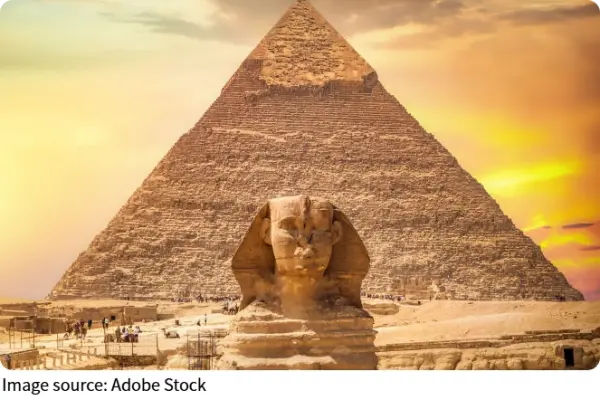
Lykkers, on the bank of the Nile, at the edge of the Sahara where Cairo's urban sprawl gives way abruptly to open desert, the Giza Plateau holds the last surviving Wonder of the Ancient World. The Great Pyramid of Khufu—originally 146 meters tall and constructed from roughly 2.3 million stone blocks—has stood here for approximately 4,500 years. Beside it, the pyramids of Khafre and Menkaure complete the trio, while the Great Sphinx—a limestone figure with a human head and a body carved from bedrock—crouches at their feet, gazing east into each day's sunrise. This is a place where the scale of human ambition meets the deep silence of the desert.
Pyramid Complex Entry
The Giza Plateau opens daily at 8:00 AM. General entry for international visitors costs approximately $14 (700 EGP), which grants access to the full plateau, exterior views of all three pyramids, and the Great Sphinx. Students with valid ID pay approximately $7 (350 EGP). Entering the interior of the Great Pyramid of Khufu costs an additional $30 (1,500 EGP)—a steep, narrow passage leading to the King's Chamber deep inside the structure. The Pyramid of Khafre interior costs approximately $5.50 (280 EGP), and Menkaure approximately $4 to $5.50 (200 to 280 EGP). Purchasing tickets at the official entrance gates is recommended—avoid unofficial vendors outside the complex.
Sphinx Up Close
The Great Sphinx sits at the eastern base of the pyramid complex, carved from a single limestone outcrop approximately 73 meters long and 20 meters high. A viewing terrace allows close approach—the sheer size of the figure, particularly the paws extending forward, creates an impact that photographs consistently underrepresent. The Sphinx is included in the general plateau ticket—no additional fee. Early morning visits (8:00 to 9:00 AM) provide the softest light, the fewest crowds, and the most comfortable temperatures. The Sphinx faces due east, making sunrise the most dramatic time for photography.
Sound and Light Show
After sunset, the Giza Plateau hosts a Sound and Light Show that projects illuminated colors across the pyramids and Sphinx while narrating ancient history through amplified sound. Basic entry tickets cost approximately $20 to $30. Tour packages including hotel pickup and private transport range from $45 to $100+. Shows run nightly in multiple languages—check the schedule for English-language performance times. The show lasts approximately 45 minutes and offers a completely different perspective of the pyramids, with the stone surfaces shifting color under theatrical lighting against the dark desert sky.
Grand Egyptian Museum
Located adjacent to the Giza Plateau, the Grand Egyptian Museum (GEM) is one of the largest archaeological museums in the world. International tickets cost approximately $25 to $30 (1,450 to 1,700 EGP). Student and child tickets cost approximately $13 to $17 (730 to 850 EGP). The museum houses an extraordinary collection of ancient artifacts including items from Tutankhamun's tomb. Booking online through the official visit-gem.com website guarantees entry and avoids potential queuing. Allow a minimum of three to four hours for a thorough visit—the collection is vast.
Getting Around
Uber and the local Careem app are the most reliable and cost-effective transport options in Cairo and Giza. Short-to-medium city trips cost approximately $1 to $5 (50 to 200 EGP). Airport transfers from Cairo International Airport to Giza cost approximately $3 to $8 (150 to 300 EGP). Camel rides on the plateau—a popular tourist experience—cost approximately $45 to $75 per person when booked through licensed tour operators, though prices can be negotiated directly on site. Always agree on the price and duration before beginning any independently arranged ride.
Where to Stay
Staying in the Giza area rather than central Cairo provides the unique advantage of proximity to the pyramids—some rooftop terraces offer direct pyramid views. Budget guesthouses in Giza start from approximately $10 to $40 per night. Mid-range hotels with pyramid views range from $40 to $100 nightly. The Marriott Mena House—the area's most famous luxury property, situated directly at the pyramid entrance—commands $150 to $350+ per night with iconic pyramid-view rooms. Boutique options including Pyramids Valley Hotel and Great Pyramid Inn offer rooftop dining with pyramid panoramas from $60 to $130 per night.
Eating Affordably
Egypt offers some of the most affordable food costs of any major tourist destination. Street food—including koshari (a rice, lentil, and pasta dish), falafel sandwiches, and ful medames (spiced fava beans)—costs $1 to $3 per meal. Local sit-down restaurants serve full meals for $5 to $12 per person. Restaurants near the pyramids with rooftop views charge tourist premiums of $15 to $30 per person. Carrying bottled water and snacks when visiting the plateau is strongly advised—vendor prices inside the complex carry significant markups compared to nearby shops.
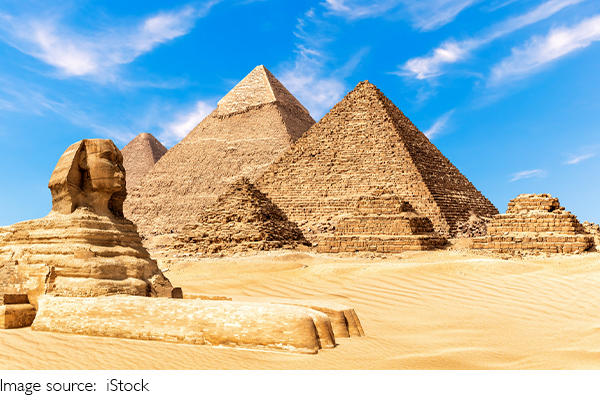
Readers, the Giza Plateau is one of those rare places where the human-made and the eternal occupy the same ground. The pyramids have stood for 45 centuries, the Sphinx has watched 1.6 million sunrises, and the desert around them has not changed in any way that the stones would notice. Standing at the base of the Great Pyramid and looking up its 146-meter face, does the scale make you feel small—or does it make you feel connected to something far larger than any single lifetime?