The Lake Mirror Village
Caleb Ryan
| 27-07-2026
 · Travel team
Lykkers, on the southwestern shore of Hallstätter See in the Salzkammergut region of Austria, a cluster of pastel-colored houses clings to a narrow of land between the lake and the near-vertical wall of the Dachstein Alps. Hallstatt is the kind of village that looks digitally enhanced in photographs—but the colors, the reflections, the dramatic mountain backdrop, and the impossibly compact architecture are all entirely real. With a population of under 800, this UNESCO-listed settlement packs centuries of salt-mining history, alpine adventure, and lakeside beauty into one of the smallest and most visually stunning destinations in Europe.
Lakefront Walking
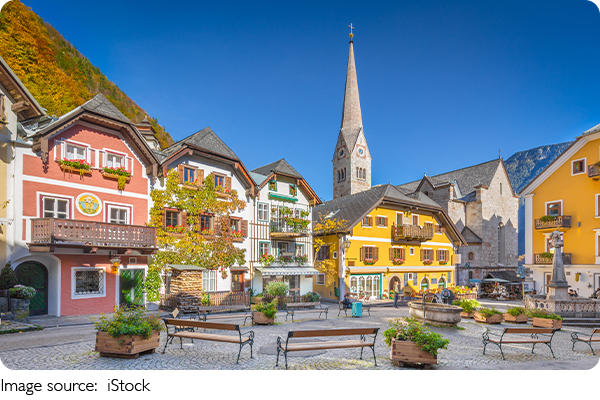
Hallstatt's compact village center is best explored entirely on foot—the town is largely car-free, and most streets are too narrow for vehicles. The Marktplatz (market square) sits directly on the waterfront, with pastel buildings reflected in the still lake surface during calm mornings. The lakeside promenade stretches from the southern end of the village toward the Lahn area, where parking lots and bus stops are located. Walking the full length of the village takes approximately 20 to 30 minutes. The most photographed viewpoint—the classic postcard perspective of the entire village with the Dachstein peaks behind—is accessible from a path near the northern shoreline entrance. No admission fee applies anywhere in the village itself.
Dachstein Ice Caves
The Dachstein mountain range above Hallstatt hosts a system of underground ice caves accessible via cable car from nearby Obertraun. The cable car plus guided Ice Cave tour costs approximately $38 to $50 (€35 to €45) per . All-in-one tickets covering multiple cave entries and all cable car sections cost approximately $70 to $88 (€65 to €80). The caves maintain sub-zero temperatures year-round—warm clothing is essential even in summer. The Dachstein Skywalk, a glass observation platform extending from the mountain station at 2,100 meters, delivers panoramic views across the Salzkammergut lake district. Guided cave tours last approximately 50 to 60 minutes.
Salt Mine Heritage
Hallstatt's salt mines—among the oldest in the world, with evidence of extraction dating back over 7,000 years—are a major attraction. The World Heritage Museum in the village center explores this ancient mining history through artifacts and interactive exhibits, with admission costing approximately $11 to $15 (€10 to €14). Check current availability for the Salzwelten salt mine experience and funicular, as renovation schedules may affect operations. When open, the mine tour includes underground slides and an illuminated subterranean lake—approximately $38 to $44 (€35 to €40) per .
Lake Activities
Hallstätter See offers swimming, kayaking, and scenic boat rides. The ferry crossing from the Hallstatt train station on the opposite shore to the village market square costs approximately $4 (€3.50 to €4) per person per crossing—cash only. This short boat ride is one of the most scenic arrivals anywhere in Europe, with the village growing steadily larger as the boat approaches. Electric boat rentals for independent lake exploration cost approximately $22 to $33 (€20 to €30) per hour. Swimming in the lake is free from designated shore areas, with water temperatures reaching comfortable levels in July and August.
Getting There
Direct trains from Salzburg to Hallstatt station take approximately 2 to 2.5 hours, with one transfer (typically at Attnang-Puchheim). Advance saver fares on the ÖBB Austrian Railways website start as low as $11 to $16 (€10 to €15), while standard day-of-travel tickets cost $33 to $44 (€30 to €40). From Vienna, the journey takes approximately 3.5 to 4 hours with similar pricing. Driving from Salzburg takes roughly 1.5 hours—parking in Hallstatt is extremely limited and restricted. Visitors arriving by car are directed to the P1 parking lot outside the village ($5 to $11 / €4.50 to €10 per day), with a shuttle or lakeside walk connecting to the village center.
Where to Stay
Accommodation in Hallstatt village is limited and expensive—booking two to three months in advance is standard for peak season (June through September). Heritage Hotel Hallstatt and Seehotel Grüner Baum offer lakefront rooms from approximately $175 to $440 (€160 to €400) per night. Traditional guesthouses in the village range from $130 to $220 (€120 to €200). Budget travelers save significantly by staying in neighboring Obertraun—just across the lake with ferry access—where guesthouses and hostels start from $77 to $165 (€70 to €150) per night. Bad Ischl, a 20-minute drive north, offers mid-range hotels from $88 to $155 (€80 to €140) nightly.
Eating Locally
The village has a small supermarket (Nah and Frisch) for self-catering basics—a smart strategy given restaurant prices in this tourist-heavy location. Sit-down lakefront meals cost approximately $18 to $38 (€16 to €35) per person. Casual eateries serving local specialties—dumplings, freshwater fish from the lake, and strudel—range from $11 to $22 (€10 to €20). Carrying cash is advisable, as some smaller restaurants and the ferry do not accept card payments.
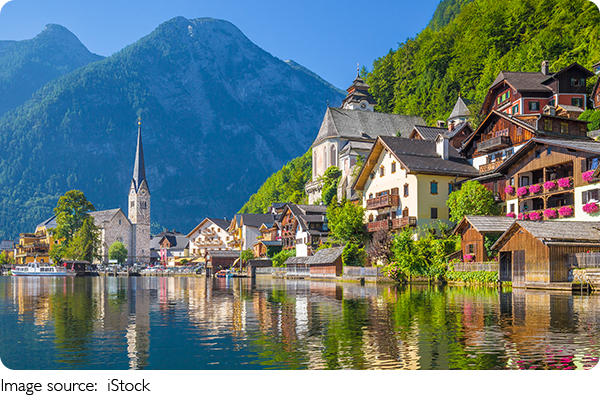
Readers, Hallstatt is one of those rare destinations where the reality genuinely matches the photograph—the reflections on the lake are that clear, the mountains are that close, and the village is that compact. It is a place that proves you do not need size to create something extraordinary. If you could wake up in a village of 800 people surrounded by alpine peaks reflected in a glass-still lake, how long would you stay before the rest of the world started calling you back?