A Tower Leans

Owen Murphy
| 27-07-2026
 · Travel team
Friends, in the Tuscan city of Pisa, a white marble bell tower has been tilting since the 12th century—currently leaning four degrees from vertical—and in doing so has become one of the most recognized structures on Earth. But the Leaning Tower of Pisa is only one part of a larger architectural complex. The Piazza dei Miracoli holds four marble monuments in a setting of immaculate green lawn, and the city beyond offers Tuscan food, riverside walks, and a student-driven energy that day-trippers miss entirely.
Climbing the Tower
The Leaning Tower stands 56 meters tall with 294 steps spiraling to the top—a climb that feels genuinely disorienting as the lean shifts your center of gravity with each turn. tickets cost approximately $22 (€20) for timed-entry access. A combination ticket for $30 (€27) includes the Tower plus all other Piazza dei Miracoli monuments—the Baptistery, Camposanto, Sinopie Museum, and Opera del Duomo Museum. Booking online up to 90 days in advance through the official opapisa.it website is strongly recommended, as fill rapidly during peak season. Children under 8 are not permitted to climb. Children aged 8 to 17 require accompaniment. A strict zero-bag policy applies—all bags, including small purses, are deposited in a free cloakroom before climbing.
Opening Hours
The Tower and Piazza monuments open daily year-round, with hours extending significantly during summer. Standard hours typically begin at 8:30 AM. From mid-June through August, extended evening hours keep the monuments open until 10:30 PM—a particularly rewarding time to visit, as the crowds thin, the marble glows in warm light, and temperatures drop to comfortable levels. Arriving at opening time (8:30 AM) or visiting during the extended evening hours offers the most relaxed experience. The adjacent main building is free to enter but requires a free timed-entry pass, available online or at the ticket office.

Beyond the Square
Most visitors leave Pisa without exploring the city beyond the tower—a missed opportunity. The Arno River cuts through the center, lined by colorful buildings and waterfront restaurants. The Borgo Stretto, Pisa's main pedestrian shopping street, offers boutiques, gelato shops, and cafés that feel distinctly more local than the tourist zone around the Piazza.
Getting There
Pisa sits on one of Italy's most efficient rail lines. Direct trains from Florence take approximately 45 to 60 minutes, with departures every 20 to 30 minutes throughout the day. Advance tickets cost as little as $5.50 to $13 (€5 to €12). Trains from Rome take approximately 2.5 to 3 hours and cost $15 to $45 (€14 to €40) depending on service class and booking time. Pisa Centrale station is roughly a 25-minute walk from the Piazza dei Miracoli, or a $7 to $10 taxi ride. Pisa also has its own international airport—Galileo Galilei (PSA)—just two kilometers from the city center, with frequent budget airline connections across Europe.
Eating in Pisa
Restaurants near the Piazza dei Miracoli charge tourist premiums—walking five minutes south toward the river opens up genuine Tuscan trattorias at significantly better prices. A full lunch (pasta, main course, water) at a local restaurant costs approximately $14 to $22 (€12 to €20). Pizza by the slice runs $3 to $5 (€2.50 to €4.50). Gelato from artisanal shops costs $3 to $5 per serving. The Mercato delle Vettovaglie, Pisa's covered market, sells fresh produce, cheese, cured meats, and baked goods for self-catering at local prices. Coffee at any neighborhood café costs $1.20 to $2.20 (€1 to €2)—standing at the counter rather than sitting at a table saves roughly 30 percent.
Where to Stay
Budget hostels and guesthouses in Pisa start from approximately $55 to $110 (€50 to €100) per night. Mid-range hotels range from $130 to $275 (€120 to €250). Boutique properties near the Piazza dei Miracoli—including Grand Hotel Duomo and Hotel Di Stefano—command $165 to $330+ (€150 to €300+) nightly but offer the advantage of early-morning and late-evening access to the square before and after the day-trippers arrive and depart. Staying near the train station is often more affordable and still within comfortable walking distance of all major sights. Booking in advance—particularly for September and October, Pisa's most expensive months—secures the best rates.
Day Trip Strategy
Many travelers visit Pisa as a day trip from Florence, but an overnight stay reveals a completely different city—quiet mornings on the Piazza before the tour buses arrive, sunset walks along the Arno, and evening dinners in neighborhood restaurants where the menu is written only in Italian. The combination of easy rail access, compact size, and Tuscan cuisine makes Pisa equally effective as a base for day trips to Florence, Lucca (30 minutes by train, $4 to $8), and the Cinque Terre coastal villages (roughly 1 hour by train, $8 to $16).
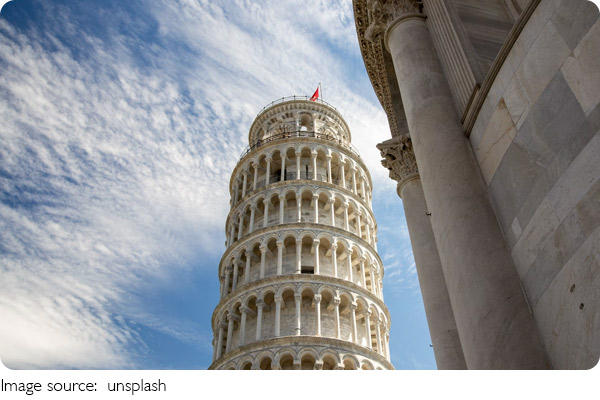
Lykkers, the Leaning Tower of Pisa is the structure that draws millions of visitors to this Tuscan city, but the square, the river, and the neighborhoods surrounding them tell a much fuller story. The lean is real, the marble is extraordinary, and the espresso at the corner café costs less than two dollars. If you could stand at the top of a tower that leans four degrees and look out over the Tuscan skyline, would the tilt make the view more thrilling—or would you hold the railing a little tighter?