Sandstone Waves on Fire

Pardeep Singh
| 27-07-2026
 · Travel team
Lykkers, roughly one hour northeast of central Las Vegas, the Nevada desert opens into a landscape so intensely red it looks like the earth is genuinely burning. Valley of Fire State Park—Nevada's oldest and largest state park—spreads across 40,000 acres of Aztec sandstone formations shaped by 150 million years of wind, water, and iron oxide chemistry into waves, arches, and figures that seem deliberately designed to astonish. This is not a subtle landscape. The reds are deep, the formations are dramatic, and the contrast against clear desert sky creates photographs that look digitally saturated but are entirely, impossibly real.
Fire Wave Trail
The park's most iconic formation—the Fire Wave—consists of swirling bands of red, pink, and white sandstone folded into wavelike patterns across an exposed rock surface. The trail is approximately 2.4 kilometers (1.5 miles) round trip, rated moderate, and takes roughly 45 to 60 minutes. The striped sandstone surface at the end of the trail creates one of the most photographed geological features in the American Southwest. Important: this trail and others close seasonally from May 15 through September 30 due to extreme summer temperatures that regularly exceed 45 degrees Celsius (113 degrees Fahrenheit). Visiting during cooler months—October through April—is strongly recommended.
Elephant Rock
Near the park's east entrance, a natural sandstone arch has eroded into a formation remarkably resembling an elephant—complete with trunk, body, and legs. The trail to Elephant Rock is approximately 0.5 kilometers (0.3 miles), rated easy, and suitable for visitors of all fitness levels including families with children. The formation is most dramatically lit during early morning, when low-angle sunlight intensifies the red tones and creates deep shadows that accentuate the elephant shape.
White Domes Loop
The White Domes Loop trail—a 1.6-kilometer (1-mile) circuit—passes through a narrow slot canyon, past colorful sandstone walls, and through a landscape that shifts between deep red, white, and orange stone formations. A historic film set from a 1966 production remains visible along the route. The trail takes approximately 30 to 45 minutes and is rated easy to moderate. Combined with nearby scenic viewpoints, the White Domes area rewards one to two hours of exploration.

Ancient Petroglyphs
Atlatl Rock—located within the park—preserves panels of petroglyphs carved into sandstone by indigenous people approximately 3,000 years ago. A metal staircase provides close access to the carved panels. The petroglyphs depict geometric patterns and figures, offering a tangible connection to the region's deep human history. Viewing is free beyond the park entrance fee and takes approximately 15 to 20 minutes.
Entry and Hours
Valley of Fire is open daily from sunrise to sunset. The entrance fee is $15 per vehicle for non-Nevada residents and $10 for Nevada plates. The America the Beautiful national parks pass is not valid here—this is a state park, not a federal site. Two campgrounds offer overnight stays at $20 per night for standard sites, with utility hookup sites available for an additional $10 per night. Campsites operate first-come, first-served. There is no fuel, food service, or water refill station inside the park—arriving with a full tank, packed food, and a minimum of two liters of water per person is essential.
Getting There
From central Las Vegas, Valley of Fire is approximately 80 to 95 kilometers (50 to 60 miles) northeast via Interstate 15 and Valley of Fire Highway—a drive of roughly one hour. Car rental in Las Vegas starts from approximately $40 to $50 per day for economy vehicles. Fuel for the round trip costs approximately $15 to $25 depending on vehicle efficiency. No public transport serves the park—a personal vehicle is the only practical option. Cell service is unreliable inside the park; downloading offline maps before departing Las Vegas is strongly advisable.
Planning Tips
Arriving at sunrise delivers the most dramatic lighting conditions and the fewest other visitors. The park's scenic drive—a roughly 16-kilometer paved road connecting the east and west entrances—passes most major formations and viewpoints, making a basic visit possible in two to three hours. A thorough visit including multiple trail walks requires four to five hours. Combining Valley of Fire with a stop at the Lost City Museum in nearby Overton (admission approximately $5) adds cultural context to the geological spectacle. Hotels in Overton cost approximately $60 to $100 per night for those preferring to avoid the drive back to Las Vegas.
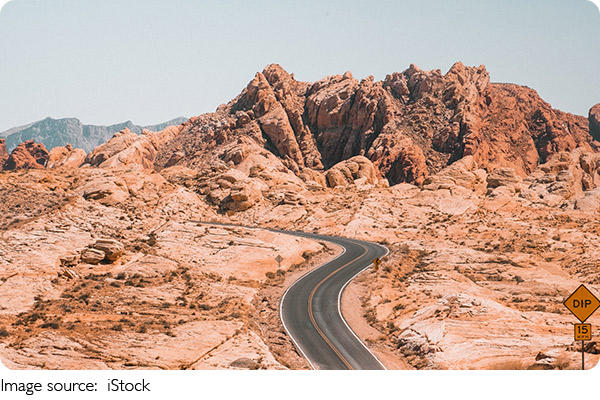
Friends, Valley of Fire is one of those places where the desert stops pretending to be empty and reveals itself as one of the most visually intense landscapes on the planet—sandstone waves that look like frozen flames, arches shaped like animals, and colors so saturated they make the Nevada sky look pale by comparison. What is the most unexpectedly vivid landscape you have driven through—and did you pull over, or did you keep driving?