Hills That Taught Painters
Pardeep Singh
| 27-07-2026
 · Travel team
Friends, in the heart of central Italy, a landscape of rolling green hills, cypress-lined roads, medieval hilltop towns, and golden light has shaped the Western understanding of beauty for over six centuries. Tuscany is the region where the foundations of European art were laid—where painters first learned to render perspective, where sculptors carved human forms from marble, and where the countryside itself became a subject worthy of a canvas. The Val d'Orcia, with its undulating hills and solitary farmhouses, is a UNESCO-recognized landscape. Florence holds the densest concentration of art masterworks in a single city. And between the two, a network of hilltop villages, farm stays, and country roads creates a travel experience where the visual pleasure is constant and effortless.
Florence Art Capital
Florence—Tuscany's capital and the cradle of the artistic movement that transformed European culture—requires a minimum of two to three days. The Uffizi Gallery holds the largest collection of Italian art in the world—advance tickets cost approximately $32 (€29), with walk-up tickets at $28 (€25). The Accademia Gallery—home to Michelangelo's David—costs approximately $18 to $22 (€16 to €20). The Firenze Card ($97 / €85 for 72 hours) provides access to over 70 museums and priority entry queues. Free museum days (typically the first Sunday of each month) offer significant savings for flexible travelers. Walking the Ponte Vecchio, exploring the Oltrarno artisan quarter, and climbing the Duomo dome are all free or low-cost experiences.
Val d'Orcia Drive
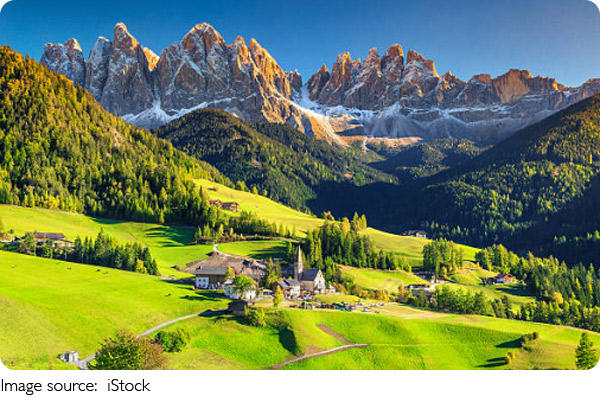
The Val d'Orcia—a UNESCO World Heritage landscape approximately 100 kilometers south of Florence—delivers the iconic Tuscan scenery: rolling hills, lone cypress trees, medieval villages perched on hilltops, and a quality of light that changes character with every hour. The most scenic driving loop connects Pienza (famous for pecorino cheese), Montepulciano (hilltop setting with panoramic terraces), and Montalcino. Car rental from Florence costs approximately $28 to $77 (€25 to €70) per day depending on vehicle size and season. The SP146 road between Pienza and San Quirico d'Orcia features the most photographed cypress-lined hill in Tuscany—pull off carefully, as there is no formal parking.
Siena Detour
Siena—approximately 75 minutes south of Florence by train ($11 to $20 / €10 to €18)—centers on the magnificent Piazza del Campo, a shell-shaped medieval square that hosts the famous Palio horse race twice each summer. The Opa SI Pass ($15 / €14) provides access to the main historical sites. Siena's compact medieval center is entirely walkable—budget two hours for a thorough stroll through the narrow streets. The city makes an excellent day trip from Florence or a quieter overnight base for exploring the surrounding countryside.
Agriturismo Stays
The agriturismo (farm stay) is Tuscany's most distinctive accommodation format—working farms and estates that offer rooms, apartments, or villas with pools, typically surrounded by olive groves and vineyards. Prices range from approximately $110 to $275 (€100 to €250) per night depending on location, season, and amenities. Most properties include kitchens for self-catering—an essential budget strategy given restaurant prices. Many offer cooking classes ($50 to $100 / €45 to €90) using ingredients grown on the property. The Val d'Orcia, and Mugello regions have the highest concentrations of agriturismo properties. Booking three to six months ahead for June through September is standard practice.
Eating Tuscan
Tuscan cuisine is built on simplicity and ingredient quality. A café breakfast (espresso and pastry standing at the counter) costs $2 to $4 (€2 to €3.50)—sitting at a table adds a significant surcharge. Lunch at a local trattoria runs $15 to $25 (€14 to €22). Dinner at a mid-range restaurant costs $28 to $44 (€25 to €40) per person, plus a standard cover charge (pane e coperto) of $1.50 to $2.20 (€1.50 to €2). Market shopping for picnic supplies—fresh bread, local cheese, cured meats, and seasonal fruit—keeps lunch costs under $10 (€9) per person. Seasonal specialties include ribollita (bread and vegetable soup) in winter and pappardelle with wild mushrooms in autumn.
Budget Overview
A budget Tuscany trip costs approximately $130 to $145 per person per day (accommodation in one-to-two-star hotels, public transport, market lunches). A mid-range experience runs approximately $190 to $220 (three-star agriturismo, rental car, one restaurant dinner). Natural hot springs at Bagno Vignoni and Saturnia are free to visit—a rare Tuscan experience that costs nothing. Train travel between major Tuscan cities is affordable and scenic, with Florence-to-Siena at $11 to $20 and Florence-to-Pisa at $9 to $14.
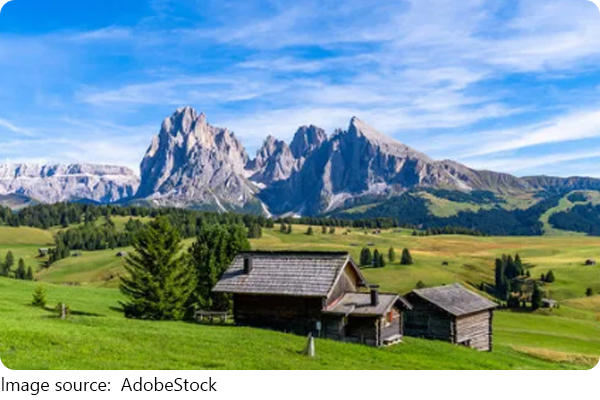
Lykkers, Tuscany is a region where the landscape itself functions as art—where every hill, every cypress tree, every stone village feels composed rather than accidental. The combination of world-class galleries in Florence, UNESCO-protected countryside in the Val d'Orcia, and farm stays where the view from the breakfast table includes olive groves stretching to the horizon creates a travel experience that operates on visual pleasure from the moment of arrival to the moment of departure. What makes a landscape feel like art to you—the shapes, the light, or the sense that someone arranged it on purpose?