The Edge That Keeps Going
Santosh Jha
| 27-07-2026
 · Travel team
Friends, between the seaside town of Carmel-by-the-Sea and the coastal community of San Simeon, California's Highway 1 clings to a mountainside that drops vertically into the Pacific Ocean for approximately 90 miles. Big Sur is not a town—it is a stretch of coastline where the Santa Lucia Mountains rise steeply from the ocean, where redwood forests fill narrow canyons that open suddenly to panoramic cliff views, and where fog rolls in and out on a schedule that turns the landscape from sharp-edged drama to soft watercolor and back again within a single hour. The road itself—a two-lane highway carved into cliff faces—is both the destination and the means of reaching it.
Driving Direction
Driving north to south—from Carmel toward San Simeon—is the recommended direction for first-time visitors. This orientation places the vehicle in the ocean-side lane, making it significantly easier and safer to pull into designated scenic overlooks without crossing oncoming traffic. The full drive takes approximately 2 to 3 hours without stops, but planning a full day allows time for viewpoints, short hikes, and meals. Filling the gas tank in Carmel before departing is essential—fuel stations within Big Sur are scarce and charge premium prices (often $2 to $3 more per gallon than coastal cities). Cell service is extremely limited or nonexistent throughout—downloading offline maps before departure is critical.
Bixby Creek Bridge
Bixby Creek Bridge—a 714-foot-long concrete arch bridge spanning a deep canyon 260 feet above the creek below—is the most photographed landmark on the Big Sur coast. Designated pullout areas on both sides of the bridge provide viewpoints; parking is limited and can be restricted during peak weekends. The bridge is located approximately 13 miles south of Carmel, making it one of the first major stops on a southbound drive. No entrance fee applies. Early morning arrivals (before 9:00 AM) avoid the worst parking congestion.
McWay Falls
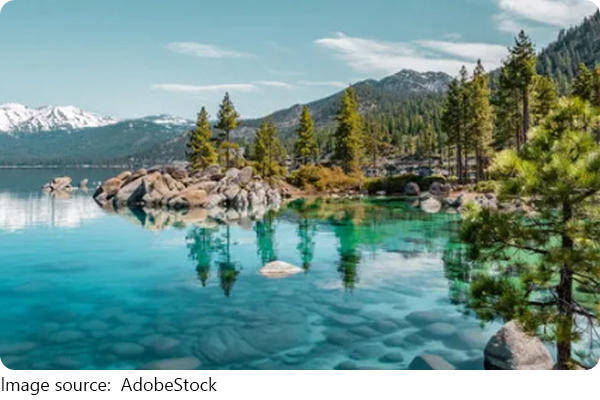
McWay Falls—an 80-foot waterfall that drops directly onto a sandy beach cove—is located within Julia Pfeiffer Burns State Park, approximately 37 miles south of Carmel. The viewpoint is accessible via a short, flat trail of approximately 0.6 miles round trip from the parking area. Beach access below the falls is permanently closed for environmental protection, but the elevated viewpoint provides a complete perspective. State park day-use parking costs $10 per vehicle. The falls flow year-round, with the strongest water volume in late winter and spring following rainfall.
Point Lobos
Point Lobos State Natural Reserve—located just south of Carmel at the northern gateway to Big Sur—is frequently called the "crown jewel" of California's state park system. The reserve protects rocky coves, tide pools, cypress groves, and coastal trails along a small peninsula. Day-use entry costs $10 per vehicle. Several short trails (0.5 to 3 miles) loop through the reserve, offering accessible coastal scenery without strenuous hiking. Marine wildlife—including harbor seals and sea otters—is frequently visible from shore. Arriving before 9:00 AM on summer weekends is essential, as the parking lot fills to capacity and the gate closes.
Where to Stay
Big Sur accommodation is limited in supply and high in demand—booking months ahead is standard practice. Post Ranch Inn offers luxury clifftop rooms starting from approximately $1,500 to $2,500+ per night. Alila Ventana Big Sur provides redwood-forest luxury from approximately $800 to $1,500. Glen Oaks Big Sur offers boutique lodge rooms and cabins from approximately $400 to $650. Big Sur River Inn—more accessible and family-friendly—costs approximately $200 to $400. Campgrounds at Pfeiffer Big Sur State Park offer tent sites from approximately $35 to $50 per night, reservable up to six months in advance. Overflow accommodation in Carmel-by-the-Sea (north) starts from $150 to $300, and Cambria (south) from $120 to $250.
Eating Along the Way
Dining options within Big Sur are few but memorable. Nepenthe—a legendary clifftop restaurant approximately 29 miles south of Carmel—serves lunch and dinner with panoramic Pacific views; main courses cost $25 to $45. Big Sur Bakery offers artisan pastries and wood-fired meals from $8 to $35. The Big Sur River Inn restaurant serves casual American fare from $15 to $30. Budget tip: packing a cooler with picnic supplies from Carmel or Monterey before entering Big Sur keeps daily food costs at $15 to $25 per person while allowing cliff-edge picnics at scenic pullouts—arguably the best dining experience on the coast.
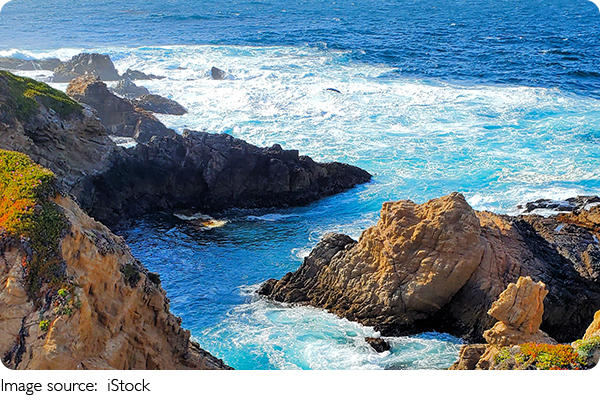
Lykkers, Big Sur is a coastline that operates on a scale where the ordinary vocabulary of "scenic" and "beautiful" feels insufficient—cliffs that fall 1,000 feet straight into the Pacific, redwoods that have been growing since before recorded history, and a road that hangs on a mountainside between earth and ocean with nothing between them but engineering and gravity. The fog, the light, the sudden appearance of a waterfall dropping onto a hidden beach—every element conspires to make this stretch of Highway 1 feel less like a drive and more like a slow-motion encounter with the edge of a continent. What is the most dramatic road you have ever driven—and did the landscape change who you were by the time you reached the other end?