Light That Falls Upward

Pankaj Singh
| 27-07-2026
 · Travel team
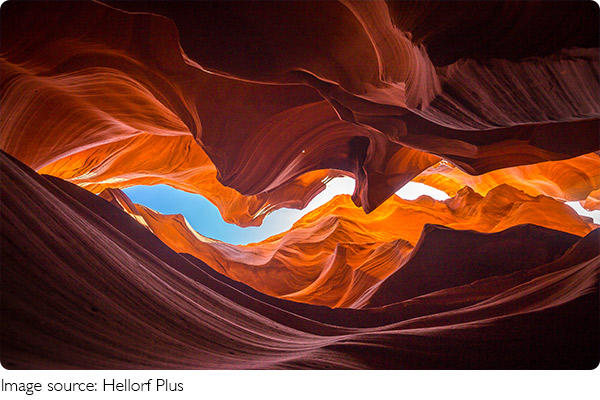
Lykkers, east of the town of Page on Navajo land in northern Arizona, a narrow in the desert floor opens into one of the most photographed geological formations on Earth. Upper Antelope Canyon—a slot canyon carved by flash floods through Navajo sandstone over millions of years—is approximately 200 meters long, barely wide enough in places for two people to pass, and between 11:00 AM and 1:30 PM from late March through early October, shafts of direct sunlight the narrow opening above and strike the canyon floor, creating luminous beams that appear to glow against the swirling orange, purple, and red walls. This is not a place where nature whispers—it shouts in color.
Tour Requirements
Upper Antelope Canyon sits entirely on Navajo Nation land, and independent access is strictly prohibited—every visitor enters with a licensed Navajo guide. Guided tours cost approximately $85 to $100+ per person, which typically includes a mandatory Navajo Nation permit fee of approximately $15. Tours last approximately 60 to 90 minutes, including transportation from the meeting point in Page to the canyon entrance. Several authorized operators run daily departures: Antelope Canyon Navajo Tours, Antelope Canyon Tours, and Taadidiin Tours are among the most established. Tours sell out weeks to months in advance during peak season (June through August)—booking the moment availability opens is essential.
Chasing the Beams
The famous light beams require three conditions: direct overhead sun, a clear sky, and a midday tour slot. The optimal booking window for beams is between 11:00 AM and 1:30 PM. Peak beam season runs from late March through early October, with the strongest and most vertical shafts occurring in June and July when the sun is highest. Overcast days eliminate the beams entirely—the canyon is still beautiful in diffused light, but the dramatic shafts that define most photographs will not appear. Winter visits (November through February) offer softer, more even light without beams but with significantly fewer crowds and lower tour prices.
Photography Tips
Tripods, monopods, and selfie sticks have been banned from all sections of Antelope Canyon since 2019. All photography is handheld only. A wide-angle lens (14mm to 24mm equivalent) captures the most wall-to-wall sandstone texture. Because much of the canyon sits in deep shadow between beam shafts, higher ISO settings (1600 to 6400) and faster shutter speeds (1/30 to 1/60 second) compensate for the low ambient light. Changing lenses inside the canyon is discouraged—fine sand particles continuously through the slot and can damage camera sensors. Smartphone cameras with automatic HDR produce surprisingly effective results.
Horseshoe Bend
Horseshoe Bend—a dramatic 270-degree meander of the Colorado River visible from a clifftop overlook—sits approximately 10 minutes' drive from Page and pairs naturally with an Antelope Canyon visit. Parking costs $10 per vehicle (credit or debit card only—national park passes do not apply). The walk from the parking area to the overlook is approximately 1.5 miles round trip on a paved, accessible path. There is virtually no shade along the route—carrying water, wearing sunscreen, and bringing a hat are essential in summer when temperatures regularly exceed 100°F (38°C). Sunrise and sunset produce the most dramatic lighting conditions.
Where to Stay
Page—a small town of approximately 7,500 residents—serves as the base for both Antelope Canyon and Horseshoe Bend. Budget motels (Red Rock Motel, Rodeway Inn, Lake Powell Canyon Inn) start from approximately $60 to $70 per night. Mid-range options including Hyatt Place Page / Lake Powell, Comfort Inn, and Best Western View of Lake Powell cost $100 to $200 per night. Peak season (June through August) pushes rates higher—booking two or more months ahead secures better availability. Midweek stays (Sunday through Wednesday) are generally $20 to $50 cheaper per night than Friday or Saturday.
Eating in Page
Page offers a range of dining options beyond expectations for a small desert town. Ranch House Grille serves Southwestern breakfast for approximately $10 to $15. BirdHouse and Big John's Texas Barbecue provide casual lunch and dinner for $12 to $25. Navajo food stands near Coppermine Road sell traditional fry bread and tacos for $5 to $10—a budget-friendly and culturally specific dining experience. Grocery shopping at Walmart or Safeway for self-catering keeps daily food costs at $20 to $30 per person. The nearest major city—Flagstaff—is approximately 2 hours south; Page has no public transit, making a rental car essential.
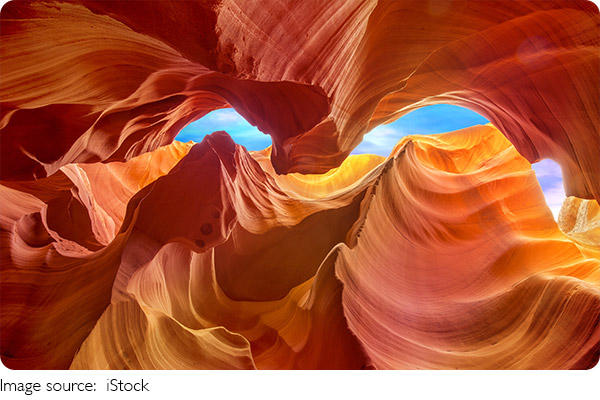
Readers, Upper Antelope Canyon is one of those rare places where the experience lasts barely an hour and the memory reorganizes everything about how light, stone, and color interact. The beams are visible for a narrow window of the day and the year, the canyon itself is barely wider than outstretched arms, and the entire visit unfolds in the company of a Navajo guide whose presence transforms a geological tour into a cultural one. If you could choose one natural phenomenon to witness at exactly the right moment—a beam of light, a breaking wave, a clearing sky—what would that moment be?