Two Peaks From the Sea

Pardeep Singh
| 27-07-2026
 · Travel team
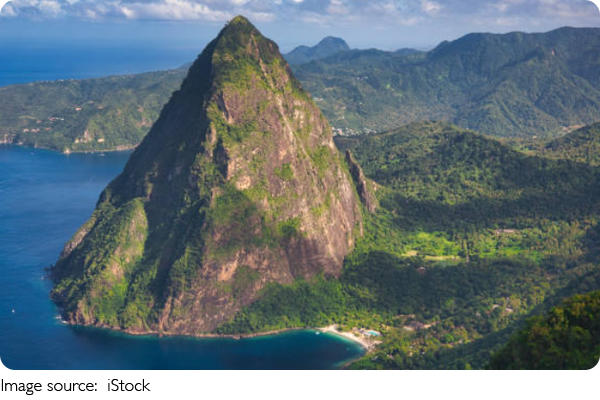
Lykkers, rising abruptly from the Caribbean Sea on the southwestern coast of Saint Lucia, two conical volcanic peaks—Gros Piton (798 meters) and Petit Piton (743 meters)—stand side by side like sentinels guarding the fishing town of Soufriere. These UNESCO-listed twin peaks define the visual identity of an island that compresses more geological drama into 617 square kilometers than most Caribbean destinations contain across entire archipelagos. Between the Pitons, volcanic sand beaches meet crystal-clear snorkeling reefs; behind them, a steaming volcanic crater with therapeutic mud pools sits within driving distance of tropical rainforest waterfalls. Saint Lucia is the rare Caribbean island where the mountains are as compelling as the coastline.
Gros Piton Climb
The Gros Piton hike—a strenuous 4-mile (6.5-kilometer) round trip through tropical forest to the 798-meter summit—delivers panoramic views across the Caribbean Sea, the Soufriere coastline, and neighboring islands. A mandatory local guide is required—the standard fee is approximately $50 to $55 per person, paid at the base. Organized tours through operators cost $90 to $145 and typically include hotel pickup, water, and entrance fees. The climb takes approximately 3 to 4 hours round trip. Starting by 7:00 AM avoids the worst midday heat. Sturdy hiking shoes with ankle support are essential—the trail includes steep, root-covered sections and exposed rock. The summit viewpoint on a clear day extends to Martinique, Dominica, and St. Vincent.
Sulphur Springs
Sulphur Springs Park—located near Soufriere—is marketed as the world's only "drive-in volcano." The volcanic crater features steaming fumaroles, bubbling pools, and a public mud bath with mineral-rich warm water. Entrance fees: volcano tour approximately $9 to $10 per , mud bath approximately $10 to $12, or a combination ticket for approximately $15. Children's tickets are typically half price. The mud baths are genuinely therapeutic—the mineral content is high, the water temperature is warm but not scalding, and the experience is unlike any standard spa treatment. The Diamond Falls Botanical Gardens—located nearby—cost approximately $8 to $10 for entry and feature a mineral waterfall with naturally colored pools.
Snorkeling Spots
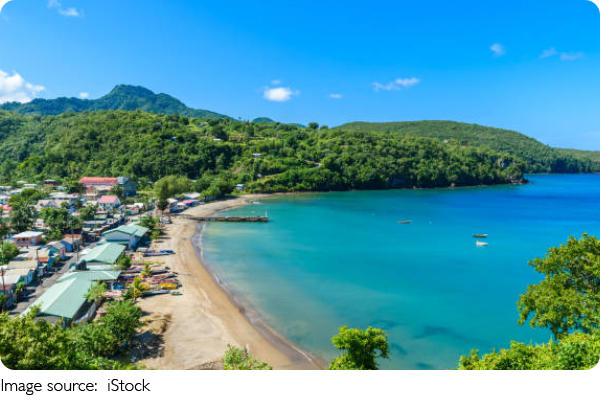
Saint Lucia's western coast—sheltered from the Atlantic trade winds—offers some of the clearest snorkeling water in the Caribbean. Anse Chastanet Beach features a volcanic sand beach with a house reef accessible directly from shore—free for independent snorkelers who bring their own gear, or approximately $10 to $15 for gear rental. Sugar Beach—situated directly between the two Pitons—offers stunning visual drama but resort-level pricing for amenities (lounge chairs $30 to $50 per day). Guided snorkeling boat tours cost approximately $75 to $110 per person for half-day excursions, typically including multiple stops, equipment, and lunch.
Getting Around
Saint Lucia's mountainous terrain makes travel times longer than the island's 27-mile length suggests. The local minibus system (white vans with green plates) is the most budget-friendly option at approximately $1 to $3 per ride—routes connect major towns but do not follow fixed schedules. Government-regulated taxis are more convenient for direct routes—confirm the fare before departure, as meters are not used. Car rental costs approximately $50 to $80 per day—the roads are narrow, mountainous, and drive on the left (British-style). The airport transfer from Hewanorra International Airport (UVF) in the south to Soufriere takes approximately 1.5 hours and costs $70 to $100 by taxi.
Where to Stay
Soufriere—closest to the Pitons and the volcanic attractions—offers accommodation across all price ranges. Budget guesthouses and locally owned properties start from approximately $65 to $150 per night. Mid-range boutique hotels and hillside properties cost $200 to $400. Luxury resorts—Jade Mountain ($700 to $1,200+ per night) and Sugar Beach ($500 to $1,000+)—deliver iconic Piton-view rooms. The northern towns of Rodney Bay and Castries offer more nightlife-oriented options and generally lower rates from $80 to $250. Self-catering apartments with kitchens are available throughout the island from $60 to $200—an effective cost-reduction strategy given restaurant prices.
Eating on Island
Street food and local eateries offer the best value. Roti (flatbread wraps with curried fillings) costs $3 to $6 at roadside stands. Local Creole restaurant meals cost $8 to $18 per person. Mid-range dining runs $20 to $40. Resort restaurant meals often exceed $50 per person. The Friday Night Street Party in Gros Islet (northern tip) offers grilled food, Creole dishes, and local specialties for $5 to $15—a lively, affordable evening experience. Self-catering from supermarkets keeps daily food costs at $15 to $25 per person. Fresh tropical fruit (mangoes, bananas, coconuts) is available cheaply at local markets throughout the island.
Readers, Saint Lucia is the Caribbean island that refuses to be just a beach destination—the volcanic geology that created the Pitons also created steaming mud baths, mineral waterfalls, black sand beaches, and snorkeling reefs growing on volcanic substrate. The combination of a serious mountain climb, a drive-in volcanic crater, and world-class underwater visibility within a single day makes Soufriere one of the most activity-dense bases in the Caribbean. If you had one day between the Pitons and the sea, would you spend it climbing to the summit, floating in volcanic mud, or drifting above a coral reef—or is the real answer that one day is simply not enough?