Three Borders Meet the Sea

Declan Kennedy
| 27-07-2026
 · Travel team
Friends, at the northeastern corner of Italy—where the Alps descend steeply to the Adriatic, where the borders of Slovenia and Croatia sit within a short drive, and where the cultural echoes of the Austro-Hungarian Empire mix with Italian coastal life—Trieste occupies a position unlike any other city on the peninsula. Piazza Unità d'Italia, one of the largest sea-facing squares in Europe, opens directly onto the harbour. Miramare Castle perches on a promontory north of the city. And the marina at Sistiana Bay—approximately 20 kilometers northwest—provides an Adriatic waterfront experience that feels more like a private coastal village than a suburban extension. Trieste rewards the traveler who appreciates complexity—three cultures, two seas, and one espresso tradition that locals take more seriously than almost anything else.
Sistiana Bay Marina
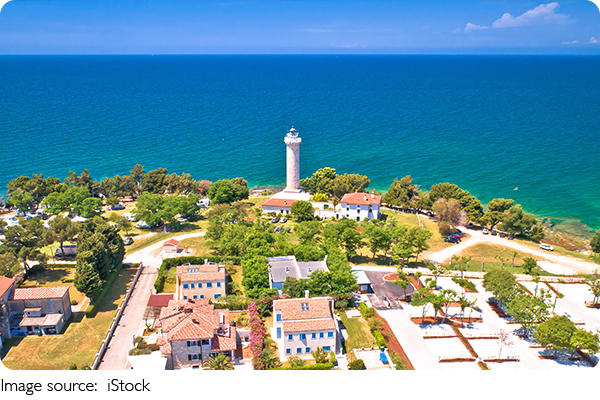
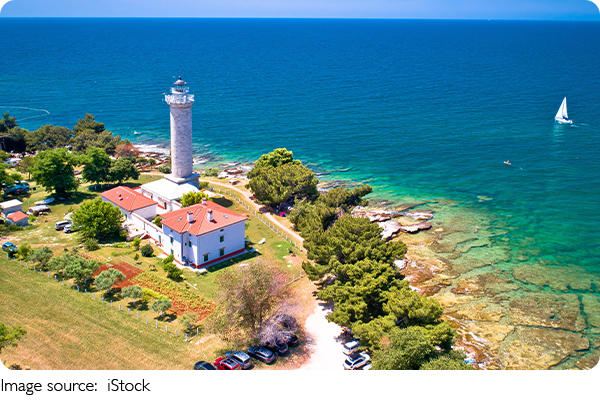
The marina at Sistiana Bay—nestled in a sheltered cove carved into limestone cliffs approximately 20 kilometers northwest of central Trieste—serves as both a sailing hub and a coastal leisure destination. The adjacent Portopiccolo development offers upscale waterfront dining, swimming access, and the Tivoli Portopiccolo Sistiana Wellness Resort and Spa, with nightly rates from approximately $275 to $500+ (€250 to €450+). The bay is reachable by car in approximately 20 minutes from Trieste, or by seasonal ferry service from Sistiana Harbour offering a scenic one-hour coastal route. The nearby Rilke Trail—a clifftop walking path running approximately 2 kilometers between Sistiana and Duino—delivers dramatic Adriatic panoramas and connects to the historic Duino Castle grounds.
Miramare Castle
Miramare Castle—built in the 1850s on a rocky promontory overlooking the Gulf of Trieste—features preserved period interiors, a throne room, and a 22-hectare botanical park planted with exotic species from around the world. Museum admission costs approximately $19 (€17), with reduced tickets for ages 18 to 25 at $8 (€7). Park access is completely free year-round. The first Sunday of each month offers free museum entry under Italy's national program. The castle is located approximately 8 kilometers northwest of central Trieste—reachable by city bus (Line 36) for approximately $1.50 (€1.35) or by car in 15 minutes. The waterfront setting and botanical gardens make this one of the most visually complete castle experiences on the Adriatic.
Piazza Unità
Piazza Unità d'Italia—Trieste's main square—opens directly onto the Adriatic, bordered on three sides by grand Habsburg-era buildings and on the fourth by the sea. The square is free to visit at all hours and serves as the city's social and architectural centerpiece. The surrounding streets of the Borgo Teresiano district feature the Canal Grande (a small navigable canal), Austro-Hungarian commercial buildings, and Trieste's famous historic coffeehouses—where standing espresso costs approximately $1.30 to $2.20 (€1.20 to €2). The local ordering vocabulary differs from the rest of Italy: a "capo in b" is a small macchiato in a glass—learning this single phrase signals local fluency.
Grotta Gigante
The Grotta Gigante—located on the Karst Plateau above Trieste—is one of the world's largest tourist-accessible caves, with a single chamber large enough to contain a concert hall. admission costs approximately $16 (€15), with reduced tickets at $13 (€12) and children (6 to 18) at $9 (€8). Access is strictly by guided tour—advance booking is compulsory. The cave maintains a constant temperature of approximately 11°C (52°F) year-round, making warm layers essential even in summer. The site is approximately 20 minutes from central Trieste by car or bus.
Where to Stay
Central Trieste offers excellent accommodation value compared to Venice (approximately 150 kilometers southwest). Budget hostels and guesthouses start from approximately $50 to $60 per night. Mid-range hotels in the Cavana neighbourhood near the waterfront cost $100 to $195. Boutique options like Urbanauts Studios offer design-focused stays from $80 to $150. The Savoia Excelsior Palace—directly on the waterfront—commands $180 to $350+. For a resort experience, Sistiana Bay's Portopiccolo properties start from $275. Daily budget for a comfortable Trieste visit: approximately $100 to $105 for budget travelers, $195 for mid-range, and $375+ for luxury.
Eating Triestino
Trieste's cuisine reflects its crossroads position—Italian seafood meets Central European heartiness. Local specialties include jota (a bean, potato, and sauerkraut soup), with bread dumplings, and sardoni barcolani (fresh local sardines). An inexpensive restaurant meal costs approximately $22 (€20). A mid-range three-course dinner for two runs $55 to $110 (€50 to €100). Budget "buffet" eateries (a Trieste-specific format serving trays of prepared dishes) offer filling meals for $8 to $14. Trieste's coffee culture is among the most serious in Italy—the city's proximity to the Illy headquarters means coffee quality is consistently high across even the most casual spots.
Lykkers, Trieste is the Italian city that does not behave like the rest of Italy—the architecture looks Viennese, the cuisine tastes Central European, the espresso ordering vocabulary is unique, and the Adriatic coastline from Sistiana Bay to Miramare Castle delivers a version of the Italian Riviera that most travelers overlook entirely in favor of the Amalfi coast or Cinque Terre. The result is a city where the crowds are thinner, the prices are lower, and the cultural complexity—three nations' worth of history layered into a single waterfront—creates a travel experience that defies easy categorization. What draws you more to a destination—its similarity to what you expected, or its refusal to be what you assumed?