The Cliff Without a Map
Chandan Singh
| 27-07-2026
 · Travel team
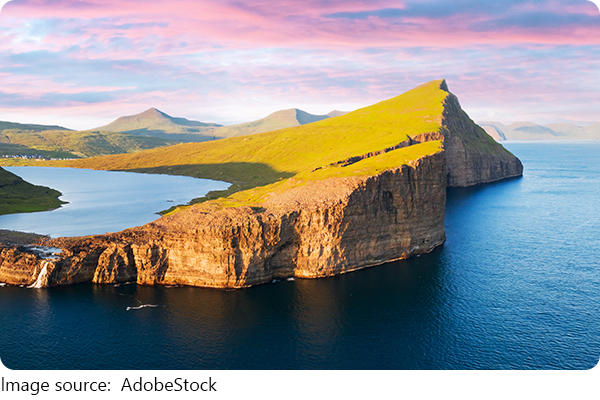
Lykkers, on the northern tip of Streymoy—the largest island in the Faroe Islands—a 564-meter mountain called Mýlingur rises above sea cliffs so steep and so close to the Atlantic that the spray from waves crashing hundreds of meters below occasionally reaches the ridgeline on windy days. There is no marked trail, no signage, no ticket booth, and no guardrail. The hike to Mýlingur is one of the most dramatic and most demanding walks in the Faroe Islands—a landscape where the grass-covered edge of Europe simply ends and drops vertically into grey-green ocean. This is terrain for experienced hikers with good navigation skills and a healthy respect for Atlantic weather.
Trail From Tjørnuvík
The hike begins from the village of Tjørnuvík on Streymoy's northern coast—a settlement of fewer than 100 residents at the end of a mountain road. Park in the designated area near the beach—avoid parking near private houses. The route follows the path toward Saksun to the Tjørnuvíksskarð mountain pass, then turns right toward the peak of Húgvan before continuing along the ridge to Kambsmúlin and descending into the valley that reveals the iconic Mýlingur view. Round-trip distance is approximately 15 to 18 kilometers, taking 6 to 8 hours depending on pace and conditions. The trail is unmarked throughout—offline GPS maps (AllTrails, Maps.me) downloaded before departure are essential.
Weather Reality
Faroese weather is the single most critical factor for this hike. Fog, horizontal rain, and wind gusts exceeding 80 kilometers per hour can materialize within minutes on exposed ridgelines. Checking the forecast on yr.no or vedur.fo on the morning of departure is essential—if conditions show low visibility or high wind above 500 meters, the hike should be postponed. Waterproof hiking boots, a windproof hardshell jacket, warm base layers, and waterproof trousers are non-negotiable gear. Carrying at least two liters of water and high-energy trail food for a full day is essential—there are no facilities, no shelter, and no cell service on the route.
Guided Options
Due to the unmarked, exposed nature of the Mýlingur route, hiring a local hiking guide is strongly recommended for anyone unfamiliar with Faroese mountain conditions. Guided day hikes in the Faroe Islands cost approximately $150 to $350 per person for small group excursions, with private guide options from $400 to $700+. Some popular trails in the Faroe Islands (Kallur Lighthouse, Trælanípa) charge mandatory hiking fees of approximately $30 to $70—Mýlingur currently has no such fee, but regulations change seasonally. The Fossá waterfall—the tallest in the Faroe Islands at 140 meters—is located on the route to Tjørnuvík and makes an excellent lower-elevation alternative on days when summit conditions are poor.
Getting There
Tjørnuvík is approximately 45 minutes by car from Tórshavn, the Faroese capital. Car rental is essential for exploring the islands—daily rates range from approximately $95 to $235 depending on season and vehicle type. Economy cars are suitable for all paved roads and subsea tunnels. Atlantic Airways operates direct flights to Vágar Airport from Copenhagen, Edinburgh, and Reykjavik—round-trip fares from Copenhagen start from approximately $250 to $600. The airport is approximately one hour from Tórshavn via subsea tunnel ($7 toll each way).
Where to Stay
Tórshavn—the world's smallest capital city—serves as the base for most Faroe Islands exploration. Budget guesthouses (62N Guesthouse, Guesthouse Marknagil) start from approximately $85 to $120 per night. Mid-range hotels (Hotel Tórshavn, Hotel Hafnia) cost $200 to $350. Hotel Føroyar—perched on a hillside above the city with panoramic harbour views—commands $300 to $450+. Hostel Kerjalon offers dormitory beds from approximately $50 to $70. Booking during peak season (June through August) requires two to three months' advance reservation.
Eating Faroese
The Faroe Islands rank among the most expensive dining destinations in Europe. A casual café meal costs approximately $16 to $25. A main course at a standard restaurant runs $30 to $40. A three-course dinner for two at a mid-range restaurant costs approximately $120 to $150+. The most effective budget strategy: purchase groceries at Bónus supermarket in Tórshavn and self-cater for breakfasts and packed trail lunches, reserving restaurant spending for one evening meal. Traditional Faroese cuisine emphasizes lamb, dried fish, and root vegetables prepared in centuries-old preservation methods.
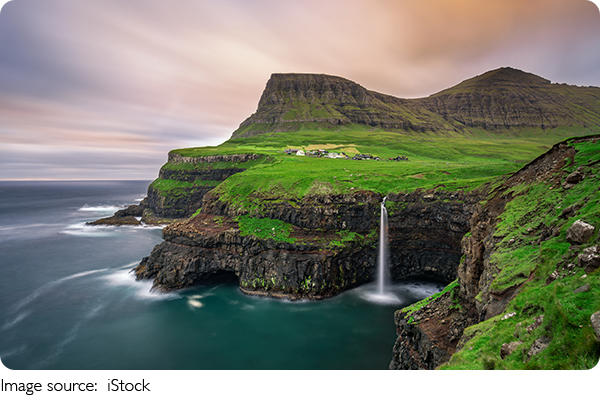
Mýlingur is a hike that operates on entirely different terms from the well-marked, fee-based trails that have made the Faroe Islands increasingly popular. There is no infrastructure, no crowd management, and no guarantee of visibility—only grass, cliff, ocean, and weather. The reward for navigating an unmarked ridge above the Atlantic in favorable conditions is a perspective on the northern edge of Streymoy that feels genuinely remote in an era when remoteness is increasingly difficult to find. Have you ever reached a viewpoint that felt more powerful precisely because no signpost told you it was there?