Car Battery Care

Lucas Schneider
| 16-11-2026
 · Automobile team
Hi, Readers! A car that will not start can turn a normal day upside down in seconds, and so often the battery is the quiet reason behind it.
The good news is that battery care is not complicated. With a few steady habits, you can help your battery last longer, start more reliably, and save yourself from those stressful moments in a parking lot or driveway.
The key ideas are keeping it clean, checking connections, watching for warning signs, and making sure it stays properly charged.

Keep the battery clean
Dirt, moisture, and corrosion around the battery can slowly interfere with performance. A clean battery top helps prevent power loss across the surface, and clean terminals help current move the way it should. Take a look at the battery case and the terminal area from time to time.
If you notice white or bluish buildup on the terminals, that is corrosion and it should be cleaned carefully. Before doing anything, make sure the vehicle is off. Cleaning the battery area and terminal connections can help improve reliability and reduce starting trouble.
Check terminals and cables
Even a healthy battery can struggle if the connections are loose or dirty. Battery cables should fit tightly on the terminals, with no wobble. If a connection is loose, the vehicle may start inconsistently or electrical parts may act strangely. It also helps to inspect the cables for visible wear or damage. Catching a weak connection early can spare you bigger trouble later. This small check is easy to overlook, but it matters a lot.
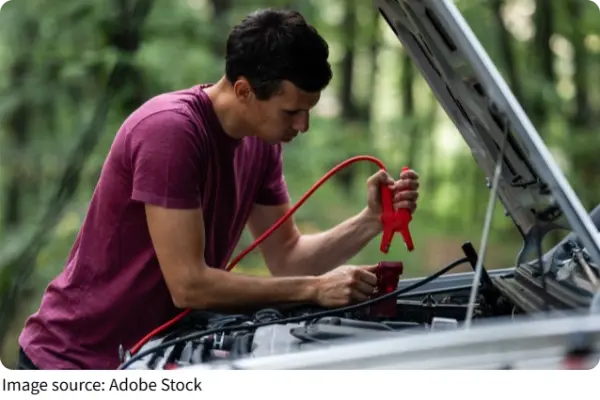
Test charge and voltage
A battery needs the right charge level to do its job well. If the charge drops too low, starting power suffers, especially after the car has been sitting for a while. Testing voltage can give you a clearer picture of battery condition. If the battery frequently seems weak, it may need charging or further inspection. Short trips can also leave a battery undercharged because the vehicle may not run long enough to fully replenish the power used at startup.
Drive enough to keep it charged
Cars that sit too long often develop battery trouble. When a vehicle is driven regularly, the charging system helps maintain the battery. But if it is mostly used for very short drives, or left parked for long periods, the battery can slowly lose charge. In that case, using a battery maintainer can help keep it at a healthy level. This is especially helpful for a second car or a vehicle not used every day.
Watch weather and battery age
Temperature changes can affect battery performance. Very hot conditions can shorten battery life, and cold conditions can make starting harder because the battery has to work more intensely. It is also smart to know how old the battery is. As batteries age, they gradually lose their ability to hold a charge well. If your battery is getting older and you are noticing slow starts, dim lights, or repeated charging issues, it may be time to test it and consider replacement.
Know the warning signs
Your car usually gives a few hints before the battery gives up completely. Slow engine cranking, dim headlights, clicking when starting, or dashboard battery warnings can all point to battery trouble. Electrical accessories may also seem weaker than usual. Paying attention to these small signs can help you act before you end up stranded. That little bit of awareness can make a big difference on a busy day.
Taking care of a car battery is really about consistency, not complicated effort. A quick check now and then, a clean connection, and a properly charged battery can go a long way. If your car has been feeling a little sluggish at startup, this might be the gentle reminder to give the battery some attention. A few minutes of care today can help bring a lot more peace of mind on the road.