Keep or Tear Down?

Mukesh Kumar
| 24-06-2026
 · Travel team
Hi, Readers! City streets are a little like family photo albums.
Some pages feel charming, some feel awkward, and a few make younger folks ask, "Why are we keeping this?" That is exactly the tug-and-pull happening around old buildings in many cities.
One group sees outdated concrete blocks and tired facades that seem ready for retirement. Another sees memory, character, and pieces of urban life that cannot be swapped out like old curtains. When people argue over whether these buildings should stay or go, they are not really debating bricks alone. They are wrestling over beauty, identity, cost, climate, and what kind of city feels worth passing on.
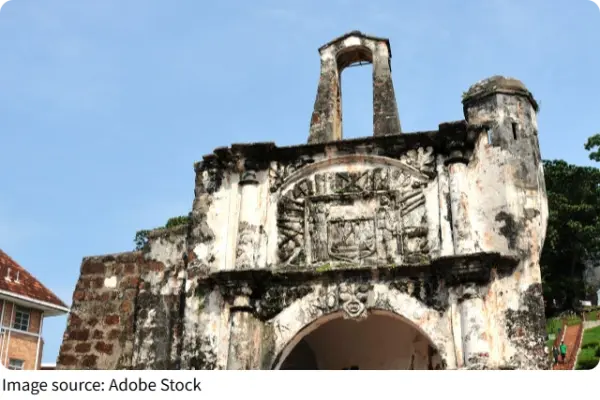
Why older generations want to keep them
For many older residents, longtime buildings are more than structures. They are landmarks tied to daily routines, neighborhood stories, and a sense of continuity. A familiar cinema, apartment block, or civic building can carry emotional weight simply because it has stood through so many chapters of local life. The appeal is not always polished or glamorous. Sometimes it is precisely the worn edges, unusual details, and stubborn presence that make a place feel real. To this generation, replacing an older building with a glossy new tower can feel like erasing handwriting from a family letter and replacing it with a printed label. Cleaner, maybe, but colder.
Why younger generations often push for change
Younger residents may look at the same building and see inefficiency, poor comfort, outdated planning, and a style that feels heavy or uninviting. Their expectations are shaped by different design values, including brighter interiors, better accessibility, flexible public space, and stronger environmental performance. If an older structure seems hard to adapt, many ask a practical question: why keep patching up something that no longer fits how people live now? For them, preserving every aging building can seem like clinging to an old flip phone while everyone else has moved on. Nostalgia is sweet, but it does not always fix insulation, safety issues, or awkward layouts.
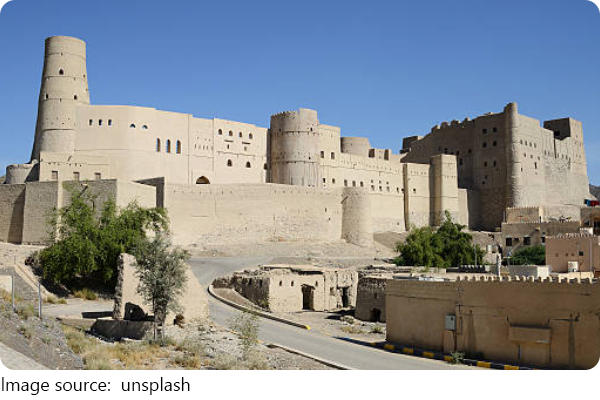
The debate is not just about taste
This is where the conversation gets more interesting. Demolition and replacement are often framed as progress, but tearing down a building comes with a serious material and environmental cost. Existing buildings contain what architects and planners often call embodied carbon, meaning a huge amount of energy and resources are already locked into the materials and construction. Once a structure is demolished, that value is largely lost, and new construction demands another large round of materials, transport, and energy use. So even when a new building promises efficiency, the math is not always as simple as "new equals better." Keeping and upgrading an older building can sometimes be the greener choice, like repairing a sturdy old suitcase instead of buying a shiny new one every year.
Adaptive reuse changes the question
Rather than treating old buildings as either sacred relics or useless leftovers, adaptive reuse offers a middle path. This approach keeps much of the existing structure while modifying it for current needs. Factories become galleries, warehouses become homes, offices become schools, and old commercial buildings turn into mixed-use spaces. It is less of a museum mindset and more of a remix. The goal is not to freeze the past in glass, but to let it keep working. When done well, reuse preserves local character while also improving function, comfort, and relevance. It turns the argument from "Should it survive?" into "How can it serve people now?"
Why decisions get messy fast
Of course, not every old building can or should be saved. Some are structurally unsound, deeply inefficient, or too altered to retain meaningful value. Cost also plays a major role. Reuse can be more complex than starting from scratch, especially when codes, repairs, and modernization pile up. Developers may prefer a blank slate, while communities may fight for preservation. Local governments often sit in the middle, juggling budgets, housing demand, sustainability goals, and public opinion. Add in generational taste, and the debate can feel like trying to redecorate a shared living room with ten people holding different paint cards.
In the end, the argument over old city buildings is really an argument about what cities are for. If cities are only machines for efficiency and growth, demolition may seem like the easy answer. If cities are living archives full of memory and texture, preservation carries more weight. The smartest path is usually neither blind nostalgia nor automatic replacement, but careful judgment building by building. So next time you pass an old structure and wonder whether it belongs, it may be worth asking not just whether it looks old, but whether it still has something valuable left to give.