High-Protein Meal Planning

Camille Dubois
| 21-10-2026
 · Cate team
A high-protein diet can be simple, varied, and enjoyable. By combining eggs, legumes, tofu, nuts, and seeds with colorful vegetables, fresh fruits, and whole grains, you can build balanced meals that provide essential nutrients.
The key is to choose a variety of foods and maintain an eating pattern that meets your individual nutritional needs.
Why Protein Matters
Protein provides amino acids that help maintain and repair tissues and support normal body functions. Including protein-rich foods in your daily meals helps you meet your nutritional needs and maintain muscle as part of a balanced lifestyle.
Eggs, lentils, beans, chickpeas, tofu, nuts, seeds, and plain yogurt offer convenient options. Each provides a different combination of nutrients, making variety an important part of healthy eating.
Enjoy Eggs in Different Ways
Eggs are versatile and easy to prepare. Boiled eggs, vegetable omelets, and scrambled eggs with spinach or tomatoes can fit into breakfast, lunch, or dinner.
Pair eggs with whole-grain toast and vegetables for a balanced meal. You can also alternate egg-based dishes with lentils, beans, or tofu to introduce different flavors and textures throughout the week.
Fill Your Plate with Vegetables
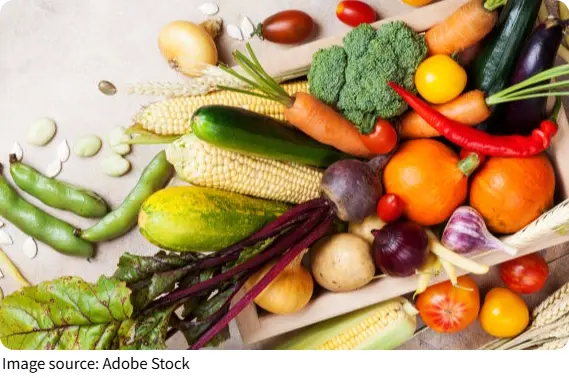
Vegetables provide fiber, vitamins, and minerals that complement protein-rich foods. Spinach, broccoli, carrots, bell peppers, tomatoes, and peas add color and flavor to everyday meals.
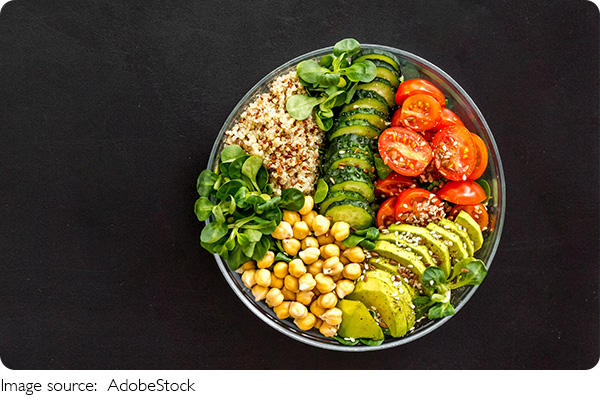
Combine them with eggs, chickpeas, lentils, or tofu to prepare nourishing salads, soups, stir-fries, and grain bowls. Steaming, roasting, or lightly sautéing vegetables offers simple ways to bring out their natural flavors.
Add Fresh Fruit to Your Day
Apples, oranges, berries, bananas, kiwi, and other seasonal fruits provide fiber, vitamins, and minerals. Enjoy them at breakfast, as a snack, or alongside a balanced meal.
For a more substantial snack, pair fruit with plain yogurt, nuts, or seeds. Whole fruit is a convenient choice because it provides fiber alongside naturally occurring sugars.
Vary Your Protein Sources
Different protein sources bring different nutrients, flavors, and textures to your meals. Rotating your choices throughout the week can make healthy eating more enjoyable.
- Eggs: A versatile option for quick breakfasts and main meals.
- Beans and lentils: Plant-based sources of protein and fiber that work well in soups, salads, and grain bowls.
- Tofu and soy foods: Flexible ingredients for stir-fries and vegetable dishes.
- Nuts and seeds: Easy additions to oatmeal, yogurt, and fruit.
- Plain yogurt: A protein-containing food that pairs well with fruit and whole grains.
Build Balanced Meals
Protein is only one part of a nutritious eating pattern. Whole grains provide carbohydrates for energy, while fruits and vegetables contribute fiber, vitamins, and minerals.
A practical approach is to fill about half your plate with fruits and vegetables, include a protein source, and add whole grains or another suitable carbohydrate. Adjust portions to suit your appetite, activity level, and nutritional needs.
The World Health Organization emphasizes the importance of variety in a healthy diet: “Evidence shows the health benefits of a diet high in whole grains, vegetables, fruit, legumes and nuts”
Simple combinations can make meal planning easier. Try a vegetable omelet with whole-grain toast, lentils with roasted vegetables, or plain yogurt topped with fruit and seeds. Preparing a few ingredients in advance can also help you assemble balanced meals during busy days.
Make Healthy Eating a Daily Habit
A sustainable high-protein diet depends on variety, balance, and consistency. Choose different protein sources, include plenty of vegetables and fruits, and enjoy whole grains as part of your regular meals. By focusing on overall food quality rather than a single nutrient, you can develop an enjoyable eating pattern that supports everyday nutrition and long-term well-being.