Candy and Kids' Teeth

Ethan Sullivan
| 26-06-2026
 · News team
Sweet treats are a familiar part of childhood, but behind their colorful appearance and sweet taste lies a biological process that can influence dental health over time.
Candy interacts with naturally occurring bacteria in the mouth, triggering chemical reactions that affect tooth enamel and the overall mouth environment.
The effects of candy depend not only on the amount of sugar consumed but also on how often it is eaten, how long sugar remains in the mouth, and the type of candy involved. Understanding these factors helps explain why healthy daily habits are essential for maintaining strong teeth throughout childhood.
1. Sugar, Bacteria, and Acid Production
When sugary substances from candy remain in the mouth, naturally occurring bacteria feed on the sugars and produce acids as a byproduct. These acids attack tooth enamel, the protective outer layer of the teeth, gradually weakening it over time.
"When you eat or drink foods containing sugars and starches, the bacteria in plaque produce acids that attack tooth enamel." — American Dental Association.
Sticky candies, such as caramels and gummies, tend to adhere to tooth surfaces longer than candies that dissolve quickly, extending acid exposure. Without proper tooth brushing, repeated acid attacks increase the likelihood of enamel demineralization.

2. Frequent Snacking and Tooth Health
The frequency of candy consumption is just as important as the amount consumed. Each time sugary foods are eaten, bacteria produce acids that temporarily lower the mouth's pH.
Between meals, saliva naturally helps neutralize these acids and restore a healthier mouth environment. However, frequent snacking leaves less time for this protective process, increasing the duration of acid exposure.
3. Children's Developing Teeth
Newly erupted permanent teeth are generally more vulnerable than fully matured teeth because their enamel continues to strengthen after eruption. During this period, repeated acid exposure can have a greater effect on enamel.
Candies that dissolve slowly or are consumed before bedtime may prolong sugar contact with the teeth. Without proper brushing afterward, this prolonged exposure can contribute to gradual enamel weakening.
4. How Candy Texture Matters
The texture of candy influences how long sugar remains in contact with the teeth. Sticky candies cling to tooth surfaces and crevices, while hard candies dissolve slowly, extending sugar exposure.
This allows bacteria additional time to produce acids, increasing the risk of enamel damage even when only small amounts of candy are consumed.
5. Saliva's Protective Role
Saliva is one of the mouth's natural defense systems. It helps wash away food particles, neutralize acids, and supply minerals that support the natural remineralization of tooth enamel.
Frequent sugar consumption, however, can repeatedly lower the mouth's pH, reducing the time available for saliva to restore a healthy balance.
6. Building Healthier Candy Habits
Healthy eating habits can help reduce prolonged sugar exposure. Enjoying sweets during main meals instead of between meals limits repeated acid attacks. Drinking water afterward helps rinse away food particles, while brushing twice daily with fluoride toothpaste and maintaining good tooth care supports healthy teeth.
Choosing candies that dissolve more quickly rather than sticky varieties can also reduce the amount of time sugar remains in contact with the teeth. These simple habits can make a meaningful difference in supporting long-term dental health.
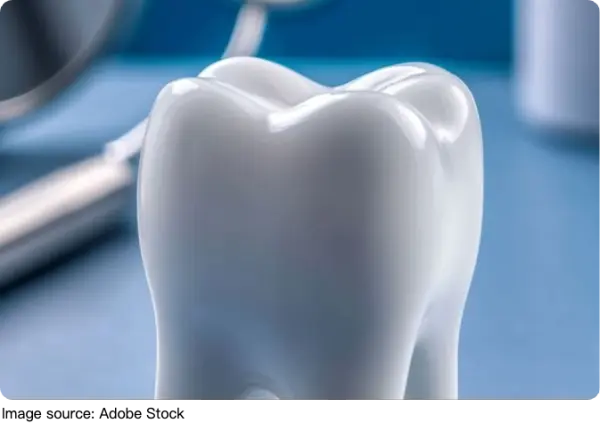
Candy can be enjoyed in moderation as part of a balanced diet, but understanding how sugar affects the mouth highlights the importance of healthy daily habits. Limiting frequent sugar exposure, practicing good dental hygiene, drinking water after consuming sweets, and maintaining regular dental checkups all contribute to stronger, healthier teeth. Establishing these habits during childhood helps support lifelong dental health.