How Braces Move Teeth

Ethan Sullivan
| 26-06-2026
 · News team
Braces are among the most remarkable innovations in modern dentistry. While many people recognize braces as a tool for straightening teeth, few understand the sophisticated biological process that makes this transformation possible.
Teeth are not permanently fixed in one position. Instead, they are surrounded by living tissues that constantly respond to gentle pressure.
This unique characteristic allows orthodontic treatment to gradually guide teeth into healthier alignment.
The Basic Structure of Braces
Braces consist of several components that work together to create controlled tooth movement. Small brackets are attached to the surface of each tooth and connected by a thin archwire. Tiny elastic bands or specialized clips help secure the wire in place.
The archwire serves as the primary force-generating element. As it attempts to return to its original shape, it applies continuous, carefully controlled pressure to specific teeth. Dental specialists adjust this system throughout treatment to ensure movement occurs in the desired direction.
"Braces apply gentle yet persistent pressure to teeth to guide them into their ideal positions over time." — American Association of Orthodontists.
Unlike sudden force, which could damage surrounding tissues, braces rely on gentle, gradual pressure maintained over extended periods. This measured approach allows the body to adapt naturally while minimizing discomfort.
How Teeth Actually Move
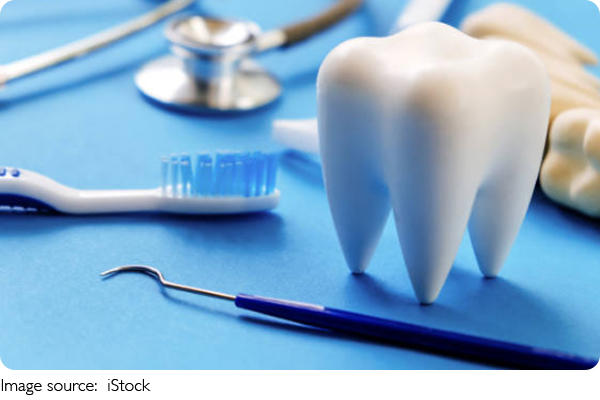
One of the most fascinating aspects of orthodontic treatment is that teeth move because the surrounding tissues constantly remodel themselves. Each tooth sits within a socket and is connected by a specialized ligament. When braces apply pressure to a tooth, one side experiences compression while the opposite side experiences tension. This stimulates a natural biological response within the surrounding supporting structures.
Cells gradually reshape the tissues surrounding the tooth, allowing it to move slowly into its new position. As movement occurs, new supportive structures develop to help stabilize the tooth. This continuous remodeling process explains why orthodontic treatment typically requires months or even years rather than days or weeks. Although the movement appears simple from the outside, it involves thousands of microscopic cellular changes throughout treatment.
Why Treatment Takes Time
Many patients wonder why braces cannot straighten teeth more quickly. The answer lies in biology rather than technology. Supporting tissues require time to adapt safely to movement. Accelerating the process excessively could affect treatment stability. Dental specialists therefore apply carefully controlled forces, allowing tissues to respond at a healthy pace.
The complexity of each case also influences treatment duration. Minor crowding may require a shorter treatment period, while severe misalignment, spacing concerns, or bite irregularities often require more comprehensive correction. Regular adjustments help maintain steady progress by ensuring the applied pressure remains effective as teeth gradually change position.
Correcting More Than Crooked Teeth
Braces do much more than improve appearance. Orthodontic treatment can address several functional concerns that affect daily life. Crowded teeth can create areas that are difficult to clean, increasing the buildup of plaque. Large gaps may affect chewing efficiency. Bite problems can place uneven pressure on certain teeth and contribute to excessive tooth wear over time.
By improving alignment, braces help create a more balanced relationship between the upper and lower dental arches. This can improve comfort during eating and support long-term dental health.
Modern Advances in Orthodontic Technology
Orthodontics has evolved significantly over the past few decades. Traditional metal braces remain highly effective, while newer options provide additional flexibility for patients. Ceramic braces offer a less noticeable appearance, and self-ligating systems reduce friction during tooth movement. Clear aligners have also become a popular option for suitable cases, using a series of custom-made trays to guide gradual tooth movement.
Digital imaging and three-dimensional treatment planning now allow dental specialists to predict tooth movement with remarkable accuracy. These advances improve treatment efficiency and help create more personalized treatment plans.
The Importance of Following Treatment Guidelines
Successful orthodontic treatment depends on consistency throughout the treatment journey. Missed appointments, damaged brackets, or failure to follow professional instructions can slow treatment progress.
Maintaining excellent dental hygiene is equally important. Food particles and plaque can accumulate around brackets and wires, making thorough cleaning essential. Proper care helps protect tooth enamel and supports healthier treatment outcomes. Once braces are removed, retainers play a vital role in maintaining the new tooth alignment. Without consistent retainer use, teeth may gradually shift toward their previous positions.
Braces are far more than a cosmetic treatment. They work with the body's natural ability to remodel supporting tissues, allowing teeth to move safely into healthier positions over time. Through carefully controlled forces, advanced technology, and personalized treatment planning, orthodontic care can improve both appearance and function.
The next time you see a smile transformed by braces, remember that an extraordinary biological process is taking place beneath the surface. Every adjustment contributes to a carefully planned journey toward healthier tooth alignment, improved comfort, and lasting confidence.