Why We Love Street Skewers

James Carter
| 30-10-2026
 · Cate team
The smell of sizzling meat drifting down a busy street at dusk is hard to ignore. The warm, smoky scent pulls people toward a glowing grill before they even notice what is happening. That is the pull of street grilled skewers.
Whether you have tried them at a night market, a roadside stall, or a lively food festival, there is something about food on a stick that feels comforting and exciting all at once. But why exactly do these humble skewers hold such a powerful place in our hearts?

A Tradition That Goes Back Thousands of Years
Skewered meat has been enjoyed for thousands of years, dating back to ancient Greece, where it is believed people cooked whole goats, lamb, and other meats on skewers made of metal or wood. Ruins have even been found that provide evidence of this, showing how deep these roots go.
Over time, the tradition traveled and changed. Shish kebab built on older forms of skewered meat by adding marinades for extra flavor, which helped the dish become popular worldwide. It is a nice thought that every skewer fresh off the grill links us to people who cooked the same way centuries ago.
The Flavor Is Simply Impossible to Resist
The appeal of street food lies in its simplicity: it is convenient, full of flavor, and often rooted in tradition. What makes grilled skewers stand out is the depth of taste that comes from open-flame cooking.
Traditional Japanese yakitori is often cooked over binchotan, a clean-burning white charcoal prized for its intense, steady heat. It sears ingredients quickly and gives a distinctive aroma that is hard to match on a gas or electric grill. Elsewhere, spice blends and a little char from the open flame add extra layers of flavor.
Every Culture Has Its Own Beloved Version
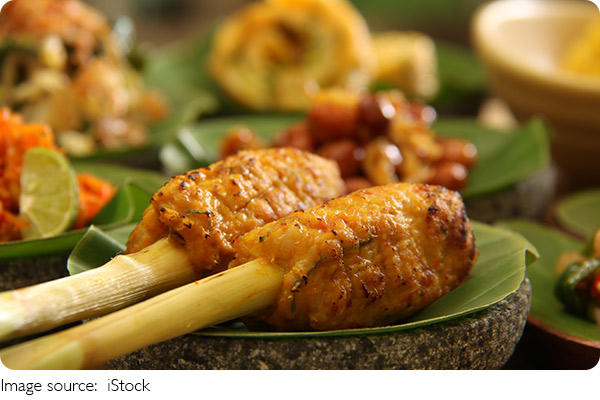
Grilled food on a stick is common in many countries, and each culture makes its own version with regional ingredients. Japanese yakitori, Peruvian anticuchos, Turkish döner kebab, and Greek souvlaki each have their own spices and aromas.
In Greece, skewers of garlicky grilled meat called souvlaki are sold on street corners, in restaurants, and at the beach. In Japan, yakitori is served at small festival stands, on street corners, and even in convenience stores, which makes it one of the most accessible foods in the country.
Street food also meets a wish for authentic, hands-on dining, since many dishes carry the culinary heritage of their region and help people feel connected to a culture.
It Brings People Together in the Warmest Way
There is something deeply social about gathering around a grill, and skewers are typically served as a shared dish. Whether a family grills skewers on a barbecue with different cuts for everyone, or friends share a few at a restaurant, eating them together is part of the pleasure.
At a street stall, sharing food breaks down barriers, and the grilling itself becomes part of the atmosphere, with spice and chatter filling the street. That lively buzz is hard to recreate anywhere else.
Affordable, Accessible, and Always Satisfying
Affordability is a big part of the appeal. When budgets are tight, people still look for tasty treats that do not cost much. Skewers are economical, versatile, easy to customize, and quick to cook, so they deliver plenty of flavor without a high price.
They are also easy to eat. You can hold one in your hand, walk and eat, share with a friend, or linger by the grill chatting the evening away, with no table or cutlery needed.
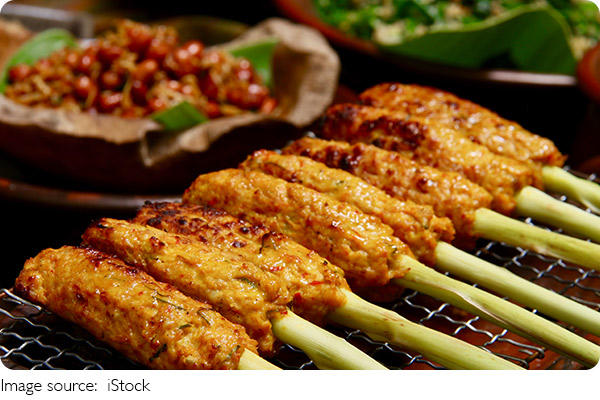
Next time you spot a glowing grill on a street corner, try a version you have not had before, such as anticuchos or yakitori, and eat it straight off the grill while it is still hot. That first bite is the easiest way to see why skewers are so hard to walk past.