Easy Unagi Rice Bowl

Yuna
| 30-10-2026
 · Cate team
Grilled eel, known as unagi, has a glossy, sweet-savory charm that makes a simple rice bowl feel suddenly special. It looks elegant, tastes rich, and somehow suggests that dinner has its life together.
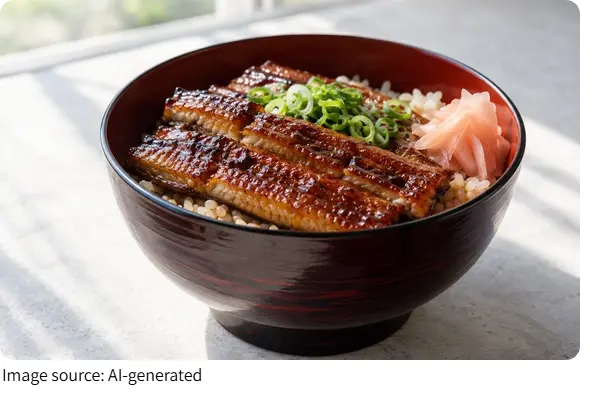
A good version does not require advanced kitchen skills. For most cooks, the smartest route is to start with prepared unagi fillets, warm them gently, brush on extra sauce, and serve them over rice with fresh toppings. The result is tender eel, shiny sauce, and warm rice, a meal that feels fancy without being complicated.
Ingredients
The main idea is gentle heat, a glossy homemade sauce, and neat serving. You will need:
- 2 prepared unagi fillets, about 120 g each
- 2 cups cooked Japanese short-grain rice
- 3 tablespoons soy sauce
- 1 tablespoon honey
- 1 tablespoon sugar
- 1 teaspoon grated ginger
- 1 teaspoon rice vinegar
- 1 teaspoon sesame oil
- 2 tablespoons water
- 1 tablespoon sesame seeds
- 2 green onions, finely sliced
- 1/2 cucumber, thinly sliced
- 1 sheet nori, cut into small pieces
- 1/4 teaspoon sansho pepper or black pepper
- 1 cup steamed edamame, for serving
This makes 2 bowls.
Steps
Make the sauce first, then heat the eel and build the bowls:
1. Place the soy sauce, honey, sugar, grated ginger, rice vinegar, sesame oil, and water in a small pan. Warm over low heat for 3 to 4 minutes, stirring until the sugar melts and the sauce turns slightly glossy.
2. Place the unagi fillets on a tray lined with baking paper and brush them lightly with the warm sauce. Heat under a grill or in an oven at 180°C for 6 to 8 minutes, until warm and shiny, brushing once more halfway through. The eel should look glossy, not scorched.
3. Spoon the warm rice into two bowls and lay the heated unagi on top. Add the cucumber slices, edamame, nori pieces, green onions, sesame seeds, and a small pinch of sansho pepper or black pepper.
4. Drizzle a little extra sauce over the eel and rice, then serve while warm. The rice underneath soaks up the sauce, so each spoonful tastes sweet, savory, soft, and fresh, with a little crunch from the cucumber.
Start With Prepared Eel
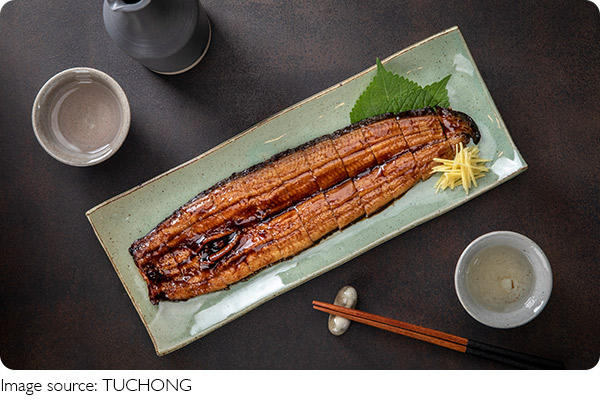
Prepared unagi is the easiest choice for a home kitchen. It is usually already grilled and glazed, so your job is reheating it and finishing the flavor. This keeps the texture tender and lowers the chance of overcooking. Look for evenly glazed, neatly packed fillets meant for heating before serving.
If the fillets are frozen, thaw them in the fridge first. Heating them straight from frozen can warm the outside too quickly while the center stays cold. Eel is delicate, and gentle handling gives a better texture.
Balance the Sauce
Unagi sauce should be shiny, sweet, and savory, but not so sticky that it feels heavy. Soy sauce gives depth, honey rounds the flavor, and ginger keeps it bright. The rice vinegar is a small detail, but it stops the sauce from tasting flat.
Add the sauce in layers, a little before heating, a little during heating, and a final drizzle at the end. This gives the eel a glossy surface without drowning the rice. Too much sauce turns the bowl into a sweet puddle.
Build a Better Bowl
Short-grain rice works well because it is tender and slightly sticky, so it holds the sauce nicely. If the rice is too dry, sprinkle 1 tablespoon of warm water over it and cover it for a few minutes before serving. The bowl should feel soft and warm, not stiff.
Fresh toppings keep the dish lively. Cucumber adds cool crunch, green onion brings a sharp note, nori gives an ocean aroma, and sesame seeds add a toasted finish. Edamame makes the bowl more filling and colorful. Sliced avocado, shredded lettuce, or pickled ginger also work if you like a brighter taste.
Serve With Good Timing
Unagi is best served soon after heating. If it sits too long, the glaze loses its shine and the texture becomes less tender. Have the rice and toppings ready first, then heat the eel last so the whole bowl stays warm.
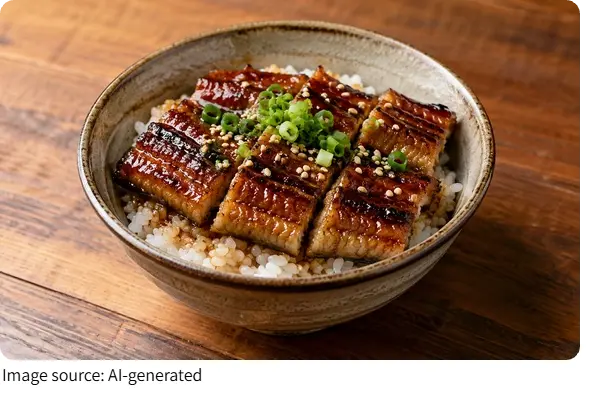
For a casual table, serve extra sauce on the side so each person can add more. For a cleaner look, drizzle it lightly before serving and scatter extra sesame seeds on top.