Fresh or Frozen Veggies

Finnegan Flynn
| 28-10-2026
 · Cate team
Vegetables provide essential vitamins, minerals, fiber, and other nutrients that support a balanced diet.
However, choosing between fresh and frozen produce can raise questions about nutritional value, flavor, convenience, and quality.
Although fresh vegetables are often associated with better nutrition, frozen varieties can be equally valuable additions to everyday meals.
Understanding how harvesting, storage, and preparation affect vegetables can help you make informed food choices, reduce waste, and enjoy a wider range of produce throughout the year.
How Freezing Preserves Nutrients
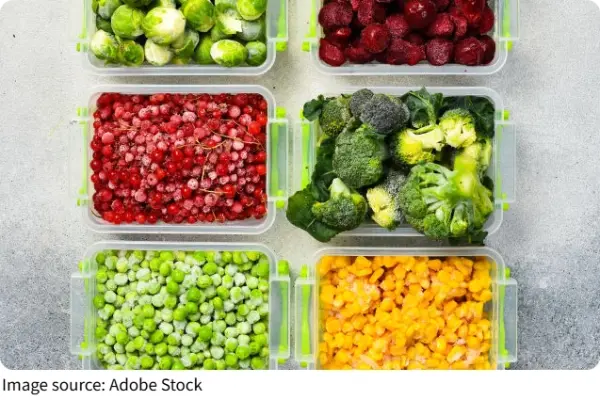
Frozen vegetables are generally harvested at an appropriate stage of maturity and processed soon afterward. Many varieties are briefly blanched before freezing, a process that helps preserve their color, texture, and quality during storage. Freezing slows the natural changes that cause food to deteriorate.
Nutrient retention depends on the vegetable, processing method, and length of storage. Some vitamins, including vitamin C, are sensitive to heat, oxygen, and storage conditions. Blanching may reduce certain heat-sensitive nutrients, but freezing helps preserve many others.
As a result, frozen vegetables can provide nutritional value comparable to that of fresh produce, particularly when fresh vegetables have spent considerable time in transportation or storage. Neither option is automatically more nutritious in every situation.
What Makes Fresh Vegetables a Good Choice?
Fresh vegetables offer appealing textures, natural flavors, and versatility in cooking. Locally grown, seasonal produce can be especially convenient when it is available at peak quality and consumed soon after harvest. Crisp cucumbers, leafy greens, tomatoes, and other fresh varieties work well in salads and dishes that require little or no cooking.
Seasonal shopping also encourages variety throughout the year. Different vegetables contain different combinations of nutrients, making a diverse selection more beneficial than relying on just a few familiar options.
However, freshness alone does not guarantee superior nutritional value. Some vegetables may spend several days in transportation, distribution, and refrigeration before reaching the supermarket. Their condition when purchased, storage at home, and time before consumption all influence quality.
Convenience, Storage, and Food Waste
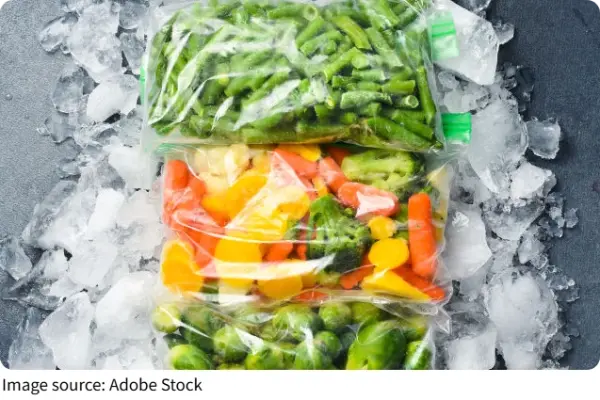
Frozen vegetables are particularly useful for people with busy schedules. Many varieties are already washed, trimmed, or chopped, allowing them to be added directly to soups, stir-fries, pasta dishes, and side dishes.
Their extended storage life also makes portion control easier. You can use only the amount needed for a meal and keep the remaining vegetables frozen according to the package instructions. This reduces the likelihood of discarding unused produce because it has spoiled.
Fresh vegetables can also be stored effectively when handled appropriately, but delicate varieties may deteriorate more quickly. Buying realistic quantities, planning meals, and using produce in the right order can help minimize waste regardless of which option you choose.
How to Select and Prepare Vegetables
When purchasing frozen vegetables, check the ingredient list and choose plain varieties when you want to avoid unnecessary added salt, sauces, or other ingredients. Select packages that remain properly frozen and follow the recommended storage instructions.
For fresh produce, look for vegetables with the expected color, firmness, and appearance of their variety. Avoid items showing clear signs of spoilage, and refrigerate vegetables that require cold storage. Wash fresh produce under running water before preparation.
Cooking techniques can influence nutrient retention. Steaming, microwaving, and brief sautéing generally require less water or shorter cooking times than prolonged boiling. If you boil vegetables, avoid cooking them longer than necessary. The cooking liquid can also be incorporated into soups to make use of some nutrients that have passed into the water.
The U.S. Centers for Disease Control and Prevention states, “Frozen or canned vegetables and fruits can be just as nutritious as the fresh varieties.” This guidance reinforces the value of including different forms of produce in a balanced eating pattern. When selecting packaged products, checking the nutrition label can help you compare sodium and other added ingredients.
Choosing What Works Best for You
Fresh and frozen vegetables both offer practical ways to improve the variety and nutritional quality of everyday meals. Fresh produce is appealing for its texture and flavor, while frozen options provide convenience, flexibility, and dependable availability.
Rather than treating the two as competing choices, consider how each fits your meals, budget, shopping habits, and storage space. Use fresh vegetables when their texture or flavor is important, and keep frozen varieties available for quick meals or when fresh produce is limited.
The most important step is to eat a varied selection of vegetables regularly, rather than insisting on one form alone. By choosing suitable produce and preparing it thoughtfully, you can build nutritious meals, make better use of your groceries, and maintain healthy eating habits throughout the year.