Porto in a Snap

Mariana Silva
| 27-07-2026
 · Travel team
Hi, Readers! Porto feels like one of those cities that wins you over slowly, then all at once.
There is the river, the tiled sanctuaries, the steep lanes, the viewpoints, and that cozy, lived-in charm that makes wandering feel like the main event. If you are planning a visit and want a simple, practical guide, this is a lovely place to start.
Getting to Porto
Porto sits in northern Portugal and is easy to reach. If you are flying in, Francisco Sá Carneiro Airport is the main gateway. The metro connects the airport to the city center in about 30 to 40 minutes, and a taxi or ride service usually takes around 20 to 30 minutes depending on traffic. Once you are in town, the historic center is very walkable, though the hills can be a real workout. The metro, buses, and historic trams help a lot if you want to save your energy for sightseeing.
Best Areas to Explore
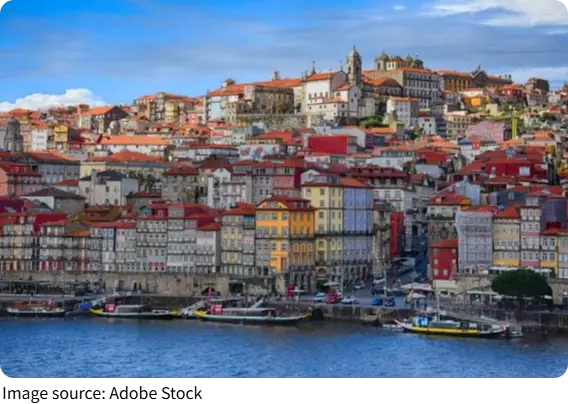
The Ribeira district is where many first-time visitors fall in love with Porto. It stretches along the Douro River with colorful buildings, little cafés, and a lively promenade. It is perfect for slow walks and river views. Climb up toward Sé, the cathedral area, and you will get a different side of the city, with older streets and a quieter atmosphere. Another favorite is Vila Nova de Gaia, just across the river, where you can enjoy postcard-worthy views back toward Porto.
A classic stop is Livraria Lello, one of the city’s most famous bookshops. It is known for its striking staircase and beautifully detailed interior. Entry is ticketed, usually around USD 10 to 15, and it can get very busy, so going early helps. Clérigos Tower is another standout. If you do not mind stairs, the climb rewards you with wide city views. Tickets are usually around USD 8 to 10. Nearby, São Bento station is worth visiting even if you are not catching a train, thanks to its remarkable blue-and-white tile panels.
Landmarks and Practical Details
Porto Cathedral, or Sé do Porto, is one of the city’s essential landmarks. It usually opens daily, with admission often around USD 3 to 5 for the cloister and museum areas. The Basilica of São Francisco is another memorable stop, especially for its richly decorated interior. Tickets are often around USD 8 to 10. If you want a break from sanctuaries and viewpoints, head to Palácio de Cristal Gardens. Entry is generally free, and the gardens are lovely for a quiet walk with sweeping views over the river.
For a deeper look at local culture, the Bolsa Palace is a good pick. Guided visits are usually required, and tickets often cost around USD 12 to 15. If you are curious about the river itself, a Douro cruise is a popular choice. Short cruises commonly last about 50 minutes to an hour and often cost around USD 15 to 25. They are an easy way to enjoy the bridges and skyline without rushing around.
Local Food to Try
No visit to Porto is complete without sampling some of the city's traditional dishes. Francesinha, Porto's famous layered sandwich, is often served with fries and typically costs around USD 12 to 20. Seafood lovers may enjoy bacalhau (salt cod), a Portuguese classic, with main dishes usually priced between USD 15 and 30. For dessert, try a pastel de nata, a creamy custard tart that usually costs around USD 2 to 4. If you are looking for a casual meal, many local cafés and traditional restaurants offer lunch menus for about USD 10 to 20 per person, while mid-range restaurants typically charge USD 20 to 40 for a main course.
Porto
Getting Around and Daily Budget
Getting around Porto is fairly simple. The Andante transit card can be useful if you plan to use metro and buses often. Central areas are best explored on foot, but keep comfortable shoes in mind because the city is full of slopes and cobbled streets. If you are taking a day trip, São Bento and Campanhã are the main train stations, with rail links to other parts of the country.
For accommodation, Ribeira is scenic and central, though usually pricier. Budget hostels and simple guesthouses can start around USD 25 to 50 per night. Mid-range stays often sit around USD 80 to 150, while more polished riverside or boutique options can go from USD 160 upward. If you want a slightly calmer base, Boavista and Cedofeita are good areas to check, with easy transport connections and plenty of places to eat and relax.
Simple Tips for a Smoother Visit
A few small choices can make your trip feel much easier. Wear sturdy walking shoes, especially if you plan to explore Miragaia, Ribeira, and the upper town in one day. Book timed entry for popular spots when possible, particularly Livraria Lello. If you want sunset views, head to the riverfront or cross to Gaia for a broader panorama. And if your schedule allows, leave a little room for wandering, because Porto is one of those places where the in-between moments can become the best part of the day.
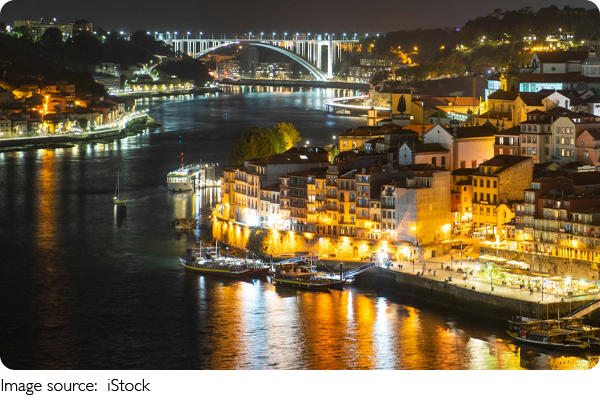
Porto is not just about checking off famous sights. It is about lingering by the river, catching a view at the top of a hill, stepping into tiled halls, and letting the city unfold at its own pace. If you are building your itinerary now, try mixing one or two major landmarks with time to simply walk and look around. That balance is often what makes Porto feel so special.