Wagashi Art Philosophy

Camille Dubois
| 28-07-2026
 · Cate team
Hello, Lykkers! You have likely seen those exquisite Japanese confections, the ones that look too perfect to eat.
They are not just sweets. They are small edible artworks shaped by a deeply held philosophy.
This approach, known as wagashi, treats every dessert as a moment of seasonal and emotional expression. Unlike Western cakes that often rely on rich cream or sugar, Japanese sweets aim for subtlety. They are designed to be experienced with all five senses, not just the tongue.
The core philosophy of wagashi centers on the concept of "ichigo ichie," the idea that each encounter is a once-in-a-lifetime meeting. A dessert is not simply a repeatable recipe. It reflects the specific season, the occasion, and even the weather of that day. For instance, a spring sweet might take the shape of a cherry blossom, using pale pink bean paste and a hint of sakura leaf. A summer one could be a transparent kanten jelly shaped like a water lily, offering a cool visual reprieve from the heat. This seasonality is not decorative. It is fundamental. The maker asks, "What does this moment taste like?" The answer lies in the choice of ingredient, color, and form.
Ingredients as Palette
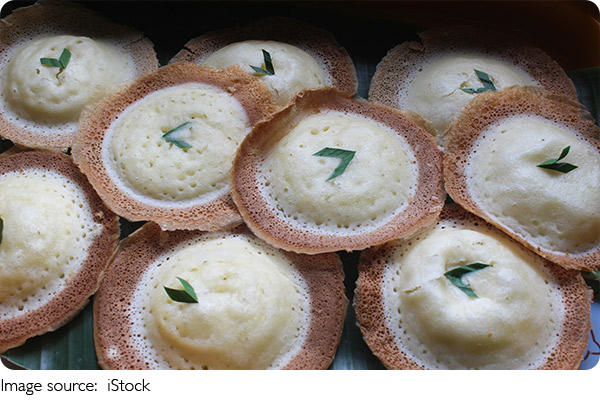
The ingredients themselves are deliberately simple. Red bean paste (anko), rice flour, agar-agar, and matcha form the base of many wagashi. None of these are flashy. But the art lies in the processing. Anko, for example, can be smooth or chunky, sweetened lightly or left nearly pure. The sweetness is never cloying. It exists to support the natural flavor of the bean, not to overwhelm. Matcha is used not only for color but for its slight bitterness, which balances the sweetness. This restraint is intentional. The maker wants you to taste the ingredient, not the sugar.
The Art of Shaping
Shaping is where wagashi becomes true craft. Using only hands and simple wooden tools, artisans mold the soft paste into flowers, leaves, fruits, or abstract forms. One popular style, nerikiri, is made from white bean paste and mochi flour. It can be dyed with natural pigments from plants like gardenia fruit or yomogi (mugwort). The process demands precision. A single thumbprint can change the curve of a petal. Yet the final piece should appear effortless, as if nature itself created it. This aligns with the aesthetic of wabi-sabi: beauty in imperfection and transience.
Experience Beyond Taste
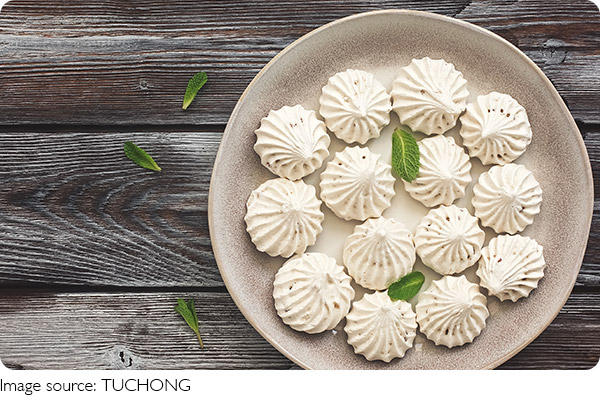
Japanese desserts are rarely eaten alone. They are almost always paired with a bowl of bitter matcha tea. The tea cuts the sweetness and clears the palate, creating a dialogue between drink and sweet. The host places the wagashi on a handmade ceramic plate, chosen to complement the shape and color. The guest first admires the arrangement, then picks up the sweet with a wooden pick, takes a small bite, and follows with tea. This ritual slows down eating. It turns a snack into a meditation. The entire experience is meant to awaken attention to the present moment.
Anyone visiting Japan can try wagashi at a traditional tea house or a confectionery shop. Many offer seasonal sets. In Tokyo, places like Toraya or Higashiya serve them with tea for around USD 15 to USD 25 per set. In Kyoto, you can find simpler versions at street stalls for about USD 5. The price reflects the artistry. But even a humble piece of mochi, if made with intention, carries the same philosophy.
In a world of instant gratification and oversized portions, this dessert philosophy offers a quiet alternative. It reminds us that sweetness is not just a flavor. It is a feeling, a memory, a moment shared. Next time you see a small, beautiful sweet, pause. Observe its color, its shape, and think of the season it represents. Then take a bite slowly. Let it dissolve. That is the real art.