Fried Dough: Global Treat

Nolan O'Connor
| 28-07-2026
 · Cate team
Hello, Lykkers! You have probably noticed that many cultures have their own take on fried dough.
It is one of those desserts that appears everywhere, from street stalls to fancy restaurants. The basic idea is simple: dough fried until golden, then topped with something sweet.
But each place adds its own twist.
Churros: Spain's Crunchy Classic
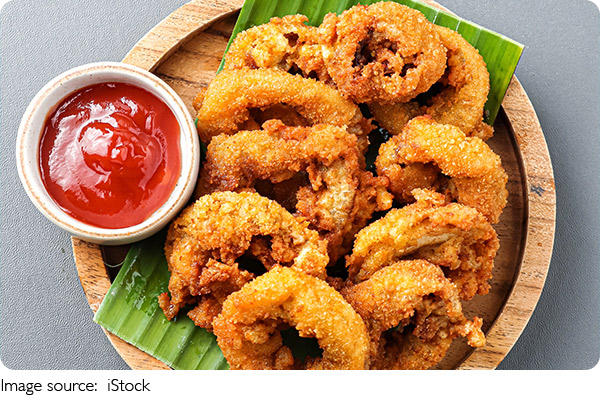
Spain gave us churros, long ridges of dough fried to a crisp. They are often dusted with sugar and dipped in thick hot chocolate. The texture is crunchy on the outside, soft inside. You find them at breakfast or late night fairs. The dough uses flour, water, and salt, piped through a star tip to create ridges. That shape helps them cook evenly and catch more chocolate.
Beignets: France's Puffy Squares
In France, beignets are square pillows of dough that puff up in the fryer. They are showered with powdered sugar and served hot. New Orleans made them famous, but the original comes from French cuisine. The dough is enriched with eggs and butter, giving a lighter, airier bite. They are best eaten fresh, as the sugar melts into the warm surface.
Malasadas: Portugal's Sugar Bombs
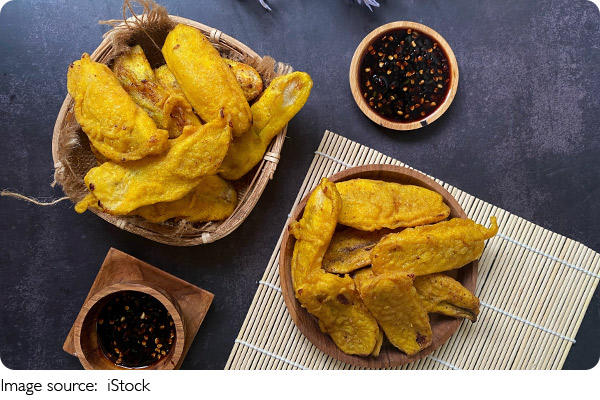
Portugal offers malasadas, small round balls of dough fried until deep brown. They are rolled in granulated sugar, sometimes filled with custard or fruit jam. The dough includes yeast, so they rise beautifully. These treats were brought to Hawaii by Portuguese immigrants, where they remain a popular snack. No holes, just pure doughy goodness.
Zeppole: Italy's Festive Fritters
Italy celebrates with zeppole, especially on Saint Joseph's Day. These are light, fried dough balls often topped with powdered sugar or drizzled with honey. Some versions have a creamy filling inside. The dough uses ricotta or potatoes for extra tenderness. They are crisp on the outside but cloudlike within. Each region has its own variation, some adding anise or lemon zest.
Loukoumades: Greece's Honey Bites
Greece gives us loukoumades, small fried dough puffs soaked in honey syrup. They are sprinkled with cinnamon and walnuts. The dough is made with flour, yeast, and warm water, left to rise until bubbly. After frying, they absorb the syrup, becoming sticky and sweet. You will find them at festivals and bakeries across the country.
Sopapillas: Mexico's Puffy Triangles
In Mexico, sopapillas are light, puffed triangles of fried dough. They are often drizzled with honey or cinnamon sugar. The dough is simple: flour, baking powder, salt, and shortening. When fried, they puff up, creating a pocket inside. Some people use them as a base for savory fillings, but the sweet version is a classic dessert.
Fry Bread: Native American Tradition
Native American fry bread has deep cultural roots. It is made from flour, salt, baking powder, and water, then fried in oil. The result is a dense, chewy bread often topped with honey, powdered sugar, or berries. Fry bread is a symbol of resilience, born from hardships but now a cherished part of community gatherings.
So next time you see a plate of fried dough, remember you are tasting a global tradition. Each version tells a story of migration, adaptation, and love for simple sweetness. Try making one at home or seek out an authentic version near you. Your taste buds will thank you.