Salt: Dessert's Secret Key

Nolan O'Connor
| 28-07-2026
 · Cate team
Hi, Friends! You bite into a salted caramel brownie and wonder why it tastes so much richer than a plain one.
That tiny flake of salt is not an accident. It is a deliberate move that transforms ordinary sweets into something you cannot stop thinking about.
The idea that salt belongs only on savory food is one of the most common misconceptions in the kitchen.
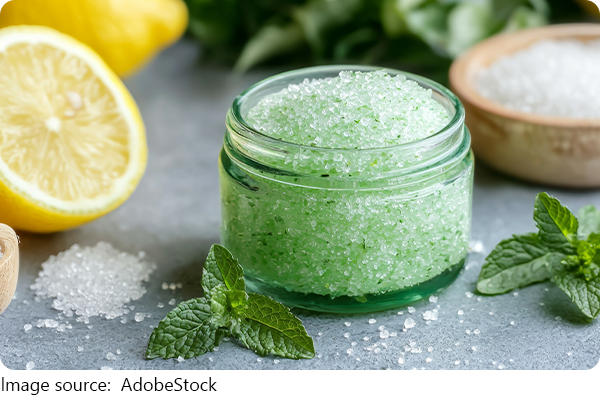
The Science Behind Salt in Desserts
The chemistry behind this trick is straightforward. Salt is sodium chloride, and its ions interact with your taste buds in a way that suppresses bitterness while simultaneously boosting the perception of sweetness. When you add a small amount of salt to a dessert, your brain registers less of any bitter notes from cocoa, coffee, or caramelized sugar. At the same time, the sweet receptors become more sensitive. The result is a dessert that tastes sweeter and more complex without any extra sugar.
Professional pastry chefs rely on this principle for almost every sweet dish. A pinch of sea salt in chocolate mousse heightens the cocoa flavor without making it sharp. In fruit tarts, a light dusting of flaky salt on top of the glaze makes the berries taste more vibrant. Even classic vanilla custard benefits from a touch of salt to round out the sweetness and prevent any cloying finish.
Classic Applications: Salted Caramel and Cookies
Salted caramel is the most famous example. The combination of sugar, butter, and cream creates a deep toffee flavor, but it can easily tip into burnt territory. Salt pulls the caramel back by tempering the bitterness from the high heat and emphasizing the natural sweetness of the dairy. That is why many recipes call for a generous pinch of fleur de sel or Maldon salt at the end.
Another common application is in shortbread or butter cookies. The richness in butter can sometimes mute flavor, but salt wakes up the taste buds. A sprinkle on top before baking gives the cookie a crisp contrast and a savory edge that makes the butteriness more pronounced. Chocolate chip cookies often taste flat without a little salt in the dough and a finishing sprinkle.
Salt in Sweet Breads and Brioche
Bakers also use salt to control yeast activity in sweet breads and brioche. Salt slows down fermentation, which allows the dough to develop more flavor over a longer rise. Without it, the bread can rise too quickly and taste bland. A small amount of salt in the dough ensures the finished loaf has a tender crumb and a balanced sweetness.
Timing and Quantity Matters
When you add salt to desserts, timing matters. If you mix salt directly into a batter, it dissolves and integrates evenly. For a burst of texture and a quick hit of contrast, sprinkle coarse salt on top just before serving. Flaky salt works best for finishing because it stays visible and crunchy. Fine table salt is better for blending into doughs and creams.
The amount is critical. A little goes a long way. Too much salt makes the dessert inedible, while too little does nothing. Most pastry chefs recommend starting with about one quarter teaspoon of fine salt per cup of sugar. For finishing, a light pinch of flaky salt per serving is enough. Taste as you go, because different brands of salt have different intensities.
Which Desserts Benefit and Final Tips
Not all desserts need salt, but most improve with it. Fruit based dishes, chocolate treats, caramel based desserts, and nutty confections are prime candidates. Delicate creams like panna cotta or rice pudding benefit from a tiny pinch as well. Even ice cream gets a flavor boost from a salt component in the base.
The next time you make a batch of cookies or a chocolate cake, try adding a small amount of salt that is not in the recipe. The change will be subtle but noticeable. Your friends will ask what your secret is. You can smile and tell them it is the same one professional chefs guard so carefully. Salt does not ruin sweet things. It makes them unforgettable.