Why Orecchiette Hold Sauce

Pardeep Singh
| 27-10-2026
 · Cate team
Have you ever wondered why certain pasta shapes seem to cling to some sauces better than others?
One shape was made to cradle one particular sauce, and the reasoning behind it shows how texture, tradition, and local ingredients shape Italian cooking. That shape is orecchiette, the little ear-shaped pasta from Puglia, and its classic partner is a sauce of bitter broccoli rabe, garlic, anchovies, and chili.
A Pasta Shaped for Greens
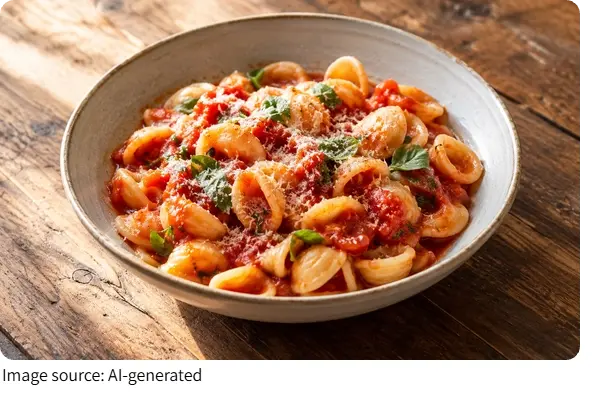
Orecchiette are small, concave rounds of semolina dough that look like tiny ears or caps. In Puglia, they were made by hand for centuries, pressed with the thumb against a wooden board. The result is a thin center and a slightly thicker rim, which gives a contrast in chewiness.
The sauce it was meant for, orecchiette con cime di rapa, uses broccoli rabe. This leafy green's bitterness balances well with garlic, olive oil, and the saltiness of anchovies. The greens are blanched, then sautéed, and some of their cooking water is often added to the oil so the two bind into a light coating.
The Geometry of Sauce Retention
The design principle is simple: surface area and concavity. Orecchiette have a high ratio of surface area to volume, especially on the concave side. When tossed with a chunky or leafy sauce, the bits of green and the oil settle into that hollow, while the rough surface left by the thumb helps the sauce cling.
Other shapes do not manage this as well. With spaghetti, the greens slide off. With penne, the sauce pools inside the tube but leaves the greens stranded. A well-matched shape and sauce mean every forkful has the same flavor and texture, rather than plain pasta at the bottom of the bowl and a pile of greens on top.
Cultural Roots and Regional Identity
This pairing is not a modern invention. Orecchiette have been made in the heel of Italy's boot since at least the 16th century, and possibly earlier. The region is known for durum wheat and olive groves rather than eggs or rich meats, so pasta was made with just semolina and water.
The sauce relied on foraged greens, preserved fish, and chili. The concave shape was a practical answer for cooks working with simple, affordable ingredients: by holding the sauce, it made a modest meal feel more satisfying and flavorful.
In many Puglian homes, making orecchiette is still a daily or weekly ritual. Nonnas, or grandmothers, press the dough with their thumbs in a quick motion that produces dozens in minutes. The pasta is left to dry slightly before cooking. Fresh orecchiette cook in about 8 to 10 minutes, while dried versions take a little longer.
Why It Matters Today
This link between shape and sauce changes how we approach cooking. Instead of pairing any pasta with any sauce, we can think about texture, how thick the sauce is, and how each bite will feel. It also builds respect for regional traditions, since this pairing reflects centuries of trial and error.
For travelers visiting Puglia, a local trattoria is a good place to taste the dish. The region also offers classes where you can learn to shape orecchiette by hand. Prices for a lesson run from 30 to 50 USD per person, and many include a meal afterward.
At home, look for good-quality dried orecchiette in Italian specialty stores, or make your own with semolina flour and warm water, pressing each piece firmly with your thumb on a floured board.
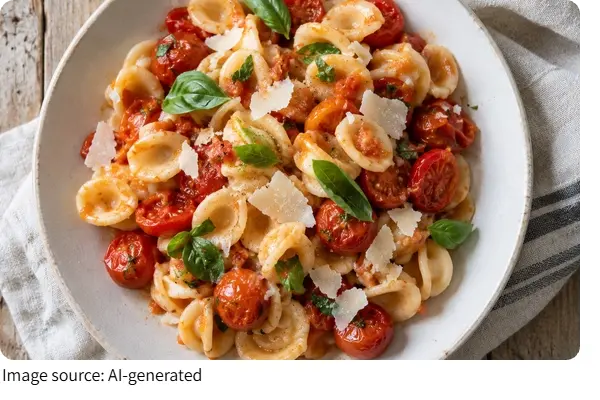
Next time you reach for a box of pasta, consider the shape, because orecchiette show that form follows function in the kitchen. To try the classic version, toss the pasta with blanched and sautéed broccoli rabe, garlic, olive oil, anchovies, and chili flakes, adding a splash of the greens' cooking water so the oil coats every piece.