Dzukou Valley Travel Guide

Amit Sharma
| 31-07-2026
 · Travel team
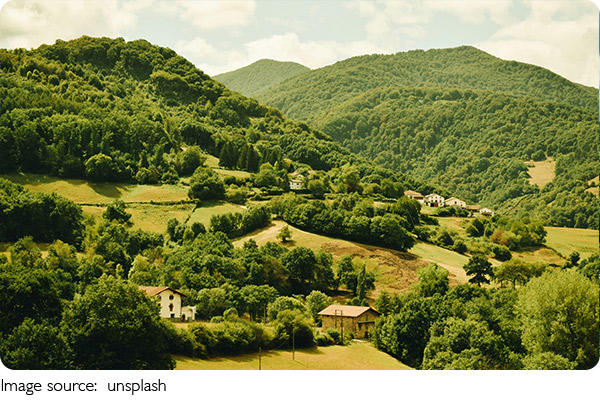
Good Day, Lykkers! Nestled on the border of Nagaland and Manipur, Dzukou Valley is one of India's most breathtaking mountain landscapes. Rolling green hills, colorful seasonal flowers, peaceful streams, and mist-covered meadows create a destination unlike anywhere else in the country.
For travelers seeking nature, hiking, photography, or cultural experiences, Dzukou Valley offers a refreshing escape from busy cities. Every season reveals a different side of the valley, making it a destination that rewards repeat visits.
How to Reach Dzukou Valley
The nearest airport is Dimapur Airport, located about 75 kilometers from Kohima. From the airport, taxis travel to Kohima in approximately two and a half to three hours. Taxi fares generally range from US $18 to US $30, depending on the vehicle. Dimapur Railway Station is the closest rail connection and is linked to several major Indian cities. Travelers can continue by shared taxi or private vehicle to Kohima.
From Kohima, most visitors travel to either Viswema Village or Zakhama Village, the two main trekking starting points. Local taxis usually charge between US $8 and US $20 depending on the route and number of passengers. The trek into Dzukou Valley takes roughly two to four hours based on the chosen trail and hiking pace.
Dzukou Valley Trek - The Complete Guide
Shiva Tells
Best Time to Visit
The most popular time to visit is from June through September, when the valley becomes lush with greenery and the famous Dzukou Lilies bloom across the hillsides. October offers clear skies, comfortable temperatures, and excellent visibility for hiking and photography. Winter, from November through February, brings colder weather and occasional frost, creating a quieter trekking experience for well-prepared visitors.
Top Attractions in Dzukou Valley
Dzukou Valley Viewpoint
The viewpoint offers the first panoramic glimpse of the valley's endless green landscape. From here, layers of hills stretch toward the horizon while drifting clouds move slowly across the open meadows. Sunrise paints the grasslands in soft golden colors, while sunset often creates dramatic scenes with mist and changing light.
Dzukou Lily Fields
One of the valley's greatest natural treasures is the rare Dzukou Lily, a flower found only in this region. During the monsoon season, white and pink blossoms spread across large sections of the valley, transforming the landscape into a natural floral carpet. The blooming season usually lasts from late June through July, attracting photographers and nature lovers from across India. Visitors should remain on designated paths to help preserve this fragile ecosystem.
Japfu Peak Trek
Adventure enthusiasts often combine a visit to Dzukou Valley with the challenging trek to Japfu Peak, one of Nagaland's highest mountains. The trail passes through dense forests, rocky ridges, and alpine grasslands before reaching spectacular viewpoints overlooking the valley.
Valley Campsites
Camping allows visitors to experience the peaceful atmosphere after most day hikers have departed. Simple campsites are located near grassy plains and small streams, offering beautiful mountain views. On clear nights, the valley becomes an excellent place for stargazing thanks to minimal light pollution. Spending a night here provides a memorable opportunity to enjoy nature's quiet beauty.
Dzukou Valley
Local Foods Worth Trying
Regional Naga cuisine is known for bold flavors and traditional cooking methods. Several local dishes are worth sampling during your visit.
- Axone is a fermented soybean specialty that has a distinctive aroma and is commonly served with rice.
- Galho is a comforting rice dish prepared with seasonal vegetables and mild spices.
- Sticky Rice is a common accompaniment served alongside many local specialties.
Expect to pay around US $3 to US $8 for a meal at a local restaurant, while larger establishments in Kohima generally charge US $8 to US $15 per person.
Where to Stay
Most visitors stay in Kohima before or after trekking to Dzukou Valley.
- Hotel Japfu offers comfortable rooms with mountain views and easy access to local attractions. Standard rooms generally range from US $35 to US $60 per night.
- Hotel Acacia in Dimapur provides modern facilities for travelers arriving by air, with prices usually between US $45 and US $80 per night.
- Budget guesthouses and homestays around Kohima are also available, typically costing US $15 to US $30 per night.
Entrance Fee, Trekking Costs, and Timings
There is no large admission fee for entering Dzukou Valley itself, though visitors typically pay an entry or environmental maintenance charge at the trekking entrance. Fees generally range from US $1 to US $3 per person.
- Parking charges for private vehicles usually cost around US $1 to US $2.
- Camping shelters may charge approximately US $5 to US $10 per person for overnight accommodation, depending on availability.
- The trekking route is open throughout the day, although most hikers begin between 6:00 AM and 9:00 AM to ensure enough daylight for the journey.
Helpful Travel Tips
- Wear sturdy hiking shoes with good grip since some sections become slippery after rain.
- Carry sufficient drinking water, light snacks, and a rain jacket, especially during the monsoon season.
- Bring warm clothing for overnight stays because temperatures drop significantly after sunset.
- Take all personal waste back with you to help preserve the valley's natural environment.
- Respect local customs and remain on marked trails to protect the fragile ecosystem.
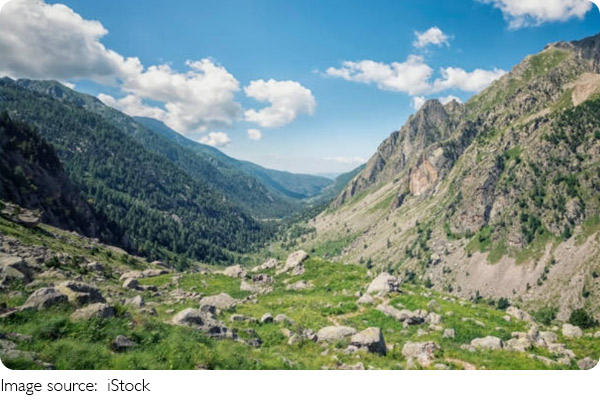
Dzukou Valley combines magnificent mountain scenery with a living cultural heritage that continues to thrive in nearby tribal communities. From sweeping viewpoints and seasonal lily fields to rewarding hiking trails and peaceful camping experiences, every part of the journey offers something memorable. Whether you visit for adventure, photography, or simply to enjoy the tranquility of nature, Dzukou Valley remains one of Northeast India's most rewarding travel destinations.