Stralsund Baltic Journey

Ethan Sullivan
| 12-08-2026
 · Travel team
Stralsund is one of Germany's most distinctive coastal cities, where red-brick Gothic buildings, Baltic Sea views, historic harbor streets, and island landscapes come together in a compact destination.
For Lykkers, Stralsund is an excellent 2 to 3 day stop, especially when combined with nearby Rügen Island. The city is small enough to explore without rushing, but staying overnight allows you to experience the harbor after day visitors leave and gives enough time for museums, old streets, and coastal scenery.
Plan Your Stralsund Visit Around Its Hanseatic Character
Stralsund was once one of the most important trading cities of the Hanseatic League, a powerful network of European merchant cities during the Middle Ages. Today, its historic center is recognized as a UNESCO World Heritage Site together with nearby Wismar because of its preserved Gothic brick architecture.
The city's biggest advantage is accessibility. Unlike many coastal destinations that require long transfers, Stralsund works well as a stop between major German cities.
Choose the best season for the Baltic coast
The most comfortable months are May to September.
Season comparison:
∙ May to June: mild temperatures, fewer visitors, and good conditions for walking around the old town.
∙ July to August: warmest period, usually around 20°C to 25°C, but more visitors and higher hotel prices.
∙ September: one of the best choices, with quieter streets, comfortable weather, and softer coastal light.
∙ October to April: colder and windier, but attractive for travelers who enjoy quiet harbor scenery.
For photography, early morning and late afternoon are ideal. The red-brick buildings around the old town and harbor look strongest under lower sunlight.
A realistic visit:
∙ 1 day: enough for the old town and harbor.
∙ 2 days: the best choice for first-time visitors.
∙ 3 days: ideal if you want to include Rügen Island or more museums.
Arrive easily from Germany's major cities
Stralsund has good railway connections, making it easier than many Baltic coastal towns.
Typical travel times:
∙ Berlin to Stralsund by train: around 3 hours.
∙ Hamburg to Stralsund: around 3 to 4 hours.
∙ Rostock to Stralsund: around 1 hour.
The main railway station is about 15 minutes on foot from the historic center.
For most travelers, a rental car is unnecessary if the plan focuses on Stralsund itself. Public transport and walking are enough.
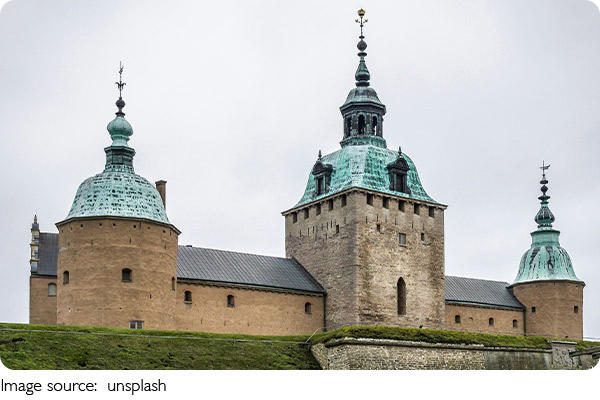
Build a Two-Day Stralsund Route
Stralsund rewards slow exploration. The old town is compact, but each street reveals a different part of the city's trading history.
Day 1: Discover the medieval city and harbor
Start in the historic center.
Key stops:
∙ Alter Markt: The main historic square, surrounded by Gothic and Renaissance buildings.
∙ St. Nicholas: One of Stralsund's most important medieval chapels. The interior reflects the city's former wealth as a trading center.
∙ Rathaus Stralsund: One of northern Germany's most recognizable Gothic town halls.
Allow around 3 to 4 hours for a relaxed old town walk.
In the afternoon, move toward the harbor.
The harbor area is where Stralsund feels most connected to the Baltic Sea.
Important stop:
∙ Ozeaneum Stralsund: One of Germany's leading ocean museums, focusing on Baltic and northern marine environments.
Plan 2 to 4 hours here depending on your interest.
Ticket prices vary by season, but admission is usually around EUR 17 to 20.
Do not visit only the exterior. The museum is one of the strongest reasons Stralsund is worth more than a quick stop.
Day 2: Add the coast and island experience
The second day should show why Stralsund's location matters.
Option 1: Rügen Island
Stralsund is connected to Rügen by the Rügen Bridge.
Travel details:
∙ Stralsund to Binz on Rügen: around 45 minutes by car.
∙ Train connection: usually around 1 hour depending on route.
Binz is one of the island's most popular seaside towns, known for its long beach and historic resort architecture.
Option 2: Stay closer to Stralsund
If you prefer a slower day:
∙ Walk along the waterfront.
∙ Visit smaller harbor areas.
∙ Explore local cafes and streets away from the main square.
This option works especially well outside summer when coastal weather can change quickly.
Choose the right accommodation area
The best choice is near the historic center or harbor.
Advantages:
∙ Easy walking access to attractions.
∙ Better evening atmosphere.
∙ No need for daily transportation.
Typical prices:
∙ Budget hotels: around EUR 70 to 120 per night.
∙ Mid-range hotels: around EUR 120 to 220 per night.
∙ Higher-end waterfront stays: often above EUR 250 per night.
During July and August, book earlier because coastal Germany has strong domestic tourism.
Avoid Common Stralsund Travel Mistakes
The first mistake is treating Stralsund as only a gateway to Rügen. The city itself deserves at least one full day.
The second mistake is visiting only in the afternoon. Many day visitors leave early, and the harbor atmosphere becomes much better in the evening.
A realistic 2-day Stralsund budget for one traveler:
∙ Hotel: EUR 140 to 440.
∙ Food: EUR 40 to 80 per day.
∙ Museum tickets: around EUR 20 to 30.
∙ Local transport: EUR 10 to 20.
Total: around EUR 250 to 600 excluding transportation to Stralsund.
Stralsund is worth choosing for travelers who want a European coastal city with history, architecture, and a slower pace. It does not compete with famous German destinations through size or luxury. Instead, it offers something more unusual: a place where medieval merchant streets, Baltic harbor views, and island landscapes still feel connected.