Snow Days in Sikkim!

Caroll Alvarado
| 06-08-2026
 · Travel team
Welcome, Readers! Sikkim turns into a magical winter destination when snow begins covering its mountains, forests, and valleys. Located in northeastern India, this Himalayan state offers breathtaking scenery, peaceful monasteries, frozen lakes, and thrilling mountain roads.
Winter usually lasts from December through February, with January often bringing the heaviest snowfall at higher elevations. Before traveling, always check weather and road conditions, as heavy snow can occasionally lead to temporary road closures.
1. Tsomgo Lake (Changu Lake)
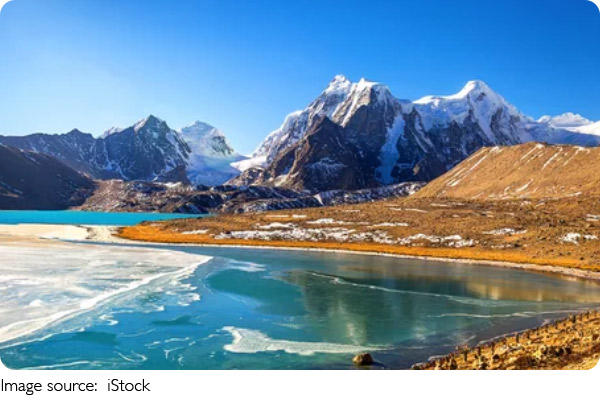
At an elevation of about 12,300 feet, Tsomgo Lake becomes one of the most beautiful snowy destinations in Sikkim. During winter, the lake often freezes partially, while the surrounding mountains are covered with fresh snow, creating postcard-worthy views. Visitors can walk around the lakeside, enjoy scenic photography, or take a yak ride when weather conditions permit. The peaceful atmosphere makes it one of the state's most popular winter attractions.
How to get there:
Tsomgo Lake is about 25 miles (40 km) from Gangtok. Shared jeeps usually cost around $8–12 per person, while hiring a private taxi costs approximately $40–60 for a round trip. Indian and foreign visitors require the appropriate travel permit, which is typically arranged through registered travel agencies.
Best time to visit: Late December to February
Working hours: Approximately 8:00 AM–3:00 PM (subject to weather)
Entrance fee: Around $1 per person (environmental fee may vary)
Yak ride (optional): About $7–10
2. Nathula Pass
One of the highest motorable roads in the world, Nathula Pass sits near the India-China border at over 14,000 feet. During winter, the route transforms into a snowy wonderland with dramatic mountain scenery and icy landscapes. The journey itself is an adventure, offering spectacular Himalayan views along winding mountain roads. Due to high altitude, visitors should avoid strenuous activities and spend only a limited amount of time at the pass.
How to get there:
Nathula Pass is about 35 miles (56 km) from Gangtok. Visitors must travel by registered taxi. Shared transportation generally costs $15–20, while private vehicles range from $60–90, often including Tsomgo Lake in the itinerary.
Best time to visit: December to February
Working hours: Approximately 8:00 AM–3:30 PM (closed on certain days depending on regulations)
Entrance fee: No entrance fee, but a travel permit is required.
Permit fee: Usually included in tour arrangements, approximately $5–10
Sikkim
3. Yumthang Valley
Often called the "Valley of Flowers," Yumthang Valley offers a completely different charm during winter. Instead of colorful blooms, visitors find wide snow-covered meadows surrounded by towering mountains and pine forests. The valley is ideal for snow play, photography, and relaxing in nature. On clear days, the contrast between bright snow and blue skies creates unforgettable scenery.
How to get there:
Yumthang Valley lies about 87 miles (140 km) from Gangtok via Lachung. Most travelers join two-day tour packages. Transportation from Gangtok generally costs between $45–80 per person, including shared vehicle service. Visitors also need a protected area permit.
Best time to visit: January to early March
Working hours: Open throughout the day
Entrance fee: Around $2
Optional guide: Approximately $10–15 per group
4. Lachung
Lachung is a charming Himalayan village that serves as the gateway to Yumthang Valley. During winter, rooftops, forests, and nearby hills are often blanketed with snow, creating a peaceful mountain atmosphere. Besides enjoying the snowy scenery, visitors can stroll through the village, admire traditional wooden houses, and experience the quiet beauty of Himalayan life. Because temperatures frequently drop below freezing, warm clothing is essential.
How to get there:
Lachung is around 73 miles (118 km) from Gangtok. Shared tour transportation typically costs $40–70 per person depending on the itinerary. Private vehicles generally range from $120–180 for the journey.
Best time to visit: December through February
Working hours: Open all day
Entrance fee: Free
5. Zero Point (Yumesamdong)
For travelers hoping to experience heavy snowfall, Zero Point is one of Sikkim's finest winter destinations. Located at an elevation of about 15,300 feet, this remote area remains snow-covered for much of the winter season. The dramatic landscape features snowfields stretching toward rugged Himalayan peaks. Visitors often enjoy walking across the snow, taking photographs, and simply appreciating the stunning alpine environment. Because of the high altitude and extreme cold, visits are usually kept short for safety.
How to get there:
Zero Point is reached from Lachung, about 31 miles (50 km) away. Shared vehicles generally cost $15–25 per person, while private vehicles range from $50–80. Road access depends heavily on snowfall and weather conditions.
Best time to visit: January to February
Working hours: Approximately 7:00 AM–2:00 PM, depending on weather conditions
Entrance fee: Around $1
Snow gear rental (optional): Approximately $5–10
Helpful Winter Travel Tips
Winter temperatures in these destinations can range from 23°F to 41°F (-5°C to 5°C), with much colder conditions at higher elevations. Wear insulated jackets, waterproof boots, gloves, scarves, and thermal clothing. Since weather changes quickly in the Himalayas, carry extra layers and allow flexibility in your travel schedule. Mobile signals may become weak in remote mountain areas, and some roads can temporarily close after heavy snowfall. Booking transportation with experienced local drivers is highly recommended, especially when traveling to high-altitude destinations.
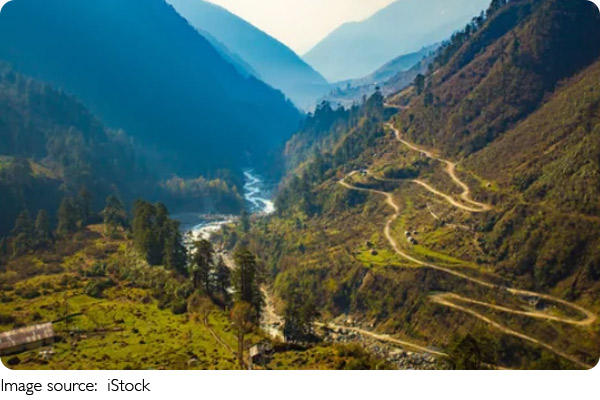
Winter transforms Sikkim into one of India's most spectacular snow destinations. From the frozen beauty of Tsomgo Lake and the breathtaking heights of Nathula Pass to the peaceful charm of Lachung, the white landscapes of Yumthang Valley, and the dramatic snowfields of Zero Point, every stop offers a unique Himalayan experience. With proper planning, warm clothing, and flexible travel arrangements, a winter journey through Sikkim promises unforgettable scenery, fresh mountain air, and memories that will last long after the snow has melted.