Moist Orange Cake!

Kwame Johnson
| 10-08-2026
 · Cate team
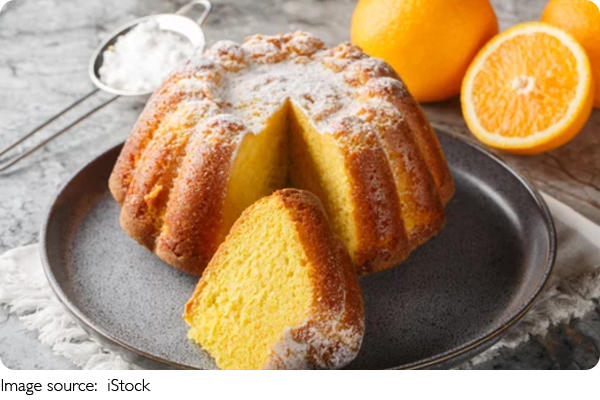
Hey Readers! Bright citrus flavor meets a soft, tender crumb in this homemade orange cake. Fresh orange juice and finely grated zest give the cake a naturally fragrant flavor, while a combination of butter and vegetable oil helps keep every slice moist.
The finishing touch is a smooth orange cream cheese frosting made with fresh zest and juice. It adds a creamy, slightly tangy contrast to the sweet cake without overwhelming the citrus flavor. Whether served for a birthday, afternoon gathering, holiday table, or weekend dessert, this orange cake brings a cheerful touch to the dessert table.
Orange Cake Ingredients
For the Cake
2¼ cups (270 g) all-purpose flour
⅓ cup (40 g) cornstarch
2¼ teaspoons baking powder
½ teaspoon salt
¾ cup (170 g) unsalted butter, softened to room temperature
⅓ cup (75 g) neutral vegetable oil, such as canola oil
1¼ cups (250 g) granulated sugar
3 teaspoons finely grated orange zest
3 large eggs, at room temperature
5½ tablespoons (90 g) whole milk, at room temperature
½ cup (112 g) freshly squeezed orange juice
2 teaspoons vanilla extract
For the Orange Cream Cheese Frosting
1 cup (225 g) unsalted butter, softened
4½ cups (570 g) powdered sugar
1½ cups (335 g) cold, firm cream cheese
1½ teaspoons vanilla extract
2 teaspoons finely grated orange zest
1½ tablespoons freshly squeezed orange juice
Step-by-Step Instructions
Step 1: Prepare the Cake Pans
- Preheat the oven to 350°F (180°C).
- Grease and line two 8-inch round cake pans with parchment paper. Make sure the bottoms and sides are well prepared so the baked layers can be removed easily.
- Set the pans aside while preparing the batter.
Step 2: Combine the Dry Ingredients
- Place the flour, cornstarch, baking powder, and salt into a medium bowl.
- Sift the ingredients together, then whisk briefly to distribute everything evenly.
- The cornstarch helps create a delicate crumb, while the baking powder provides the lift needed for the cake layers.
Step 3: Cream the Butter, Oil, Sugar, and Orange Zest
- In a large mixing bowl, add the softened butter, vegetable oil, granulated sugar, and orange zest.
- Using a hand mixer or stand mixer on medium speed, beat the mixture for about 2 minutes, or until it looks lighter and creamy.
- The orange zest releases fragrant citrus oils while mixing, giving the batter a fresh orange aroma even before the juice is added.
Step 4: Add the Eggs
- Add the eggs one at a time, mixing well after each addition.
- Scrape down the sides of the bowl if necessary so the ingredients remain evenly incorporated.
- Adding the eggs individually helps create a smooth batter rather than adding too much liquid to the mixture at once.
Step 5: Add the Milk, Orange Juice, and Vanilla
- Pour in the whole milk, freshly squeezed orange juice, and vanilla extract.
- Mix until everything is evenly combined.
- At this point, switch from the electric mixer to a spatula. The remaining mixing should be done gently to avoid overworking the flour.
Step 6: Fold in the Dry Ingredients
- Add the sifted dry ingredients to the wet mixture.
- Using a spatula, gently fold until the flour disappears and the batter looks uniform.
- Do not continue mixing once the batter has come together. Overmixing can develop too much gluten and result in a heavier cake.
Step 7: Bake the Orange Cake
- Divide the batter evenly between the two prepared 8-inch cake pans.
- Smooth the tops with a spatula. Gently tap the pans against the counter once or twice to release any unusually large air bubbles.
- Bake for 30–35 minutes, or until a toothpick inserted into the center comes out clean or with a few moist crumbs attached.
- Avoid opening the oven repeatedly during baking, especially during the first part of the cooking time.
Step 8: Cool the Cake Layers
- Remove the baked cakes from the oven and allow them to cool in their pans for approximately 15–20 minutes.
- Carefully turn the layers out onto a wire rack and allow them to cool completely.
- The cake must be fully cooled before frosting. Applying cream cheese frosting to warm cake can cause it to soften and slide.
Step 9: Prepare the Orange Cream Cheese Frosting
- Place the softened butter in a large mixing bowl.
- Beat on medium-high speed for several minutes until the butter becomes light and fluffy.
- Add the powdered sugar in three batches, mixing on low speed after each addition. Wait until each portion is incorporated before adding the next.
- Next, add the cold cream cheese, vanilla extract, orange zest, and fresh orange juice.
- Mix only until the frosting becomes smooth and creamy. Avoid prolonged mixing because cream cheese frosting can become softer when overworked.
Step 10: Assemble and Decorate
- Place one completely cooled cake layer on a serving plate or cake stand.
- Spread an even layer of orange cream cheese frosting across the top.
- Place the second cake layer on top and gently press it into position.
- Cover the top and sides with the remaining frosting. The cake can be finished with a smooth layer or decorated with simple swirls.
For an elegant citrus-inspired finish, sprinkle a little finely grated orange zest over the top or add a few thin orange slices.
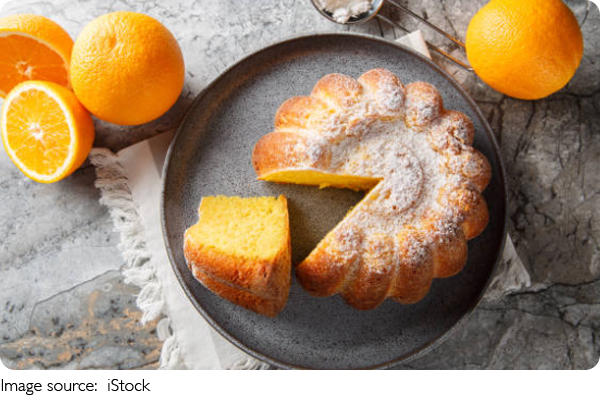
This orange cake brings together several simple ingredients to create a dessert with plenty of character. The soft cake layers carry fresh orange zest and juice throughout, while the creamy frosting adds a smooth contrast with a gentle citrus tang. For a dessert that looks elegant without complicated decoration, a generous layer of orange cream cheese frosting and a little fresh zest are all that is needed. Slice it into generous pieces and serve chilled or slightly softened for a bright, comforting homemade treat.