Supercar vs Sports Car

Celia
| 10-11-2026
 · Automobile team
Sports cars and supercars may share sleek designs, powerful engines, and thrilling driving experiences, but they are built with different priorities in mind. The distinction goes beyond appearance or engine sound. It involves performance targets, engineering complexity, construction methods, and the compromises each manufacturer is willing to make.
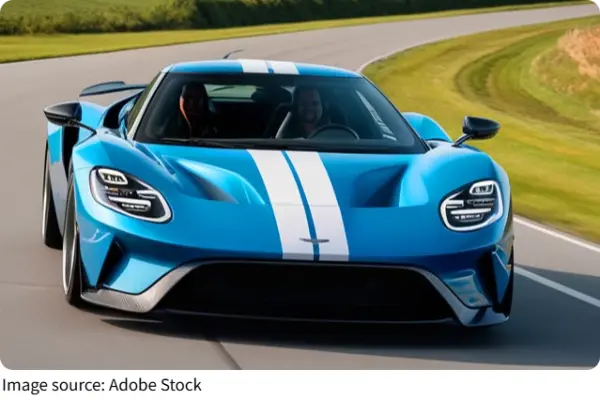
A sports car typically balances agility, driver involvement, and everyday usability. A supercar pushes those qualities toward more extreme performance, often at higher cost and with fewer practical concessions. Although the categories overlap and lack a universal definition, six key differences help explain how they differ.
Performance Targets
Performance is one of the clearest differences between sports cars and supercars. A sports car prioritizes responsive handling, strong acceleration, and an enjoyable connection between driver and road. A supercar generally aims for much higher limits in speed, braking, and cornering.
Achieving those results requires more than additional horsepower. Advanced aerodynamics, specialized tires, effective cooling, and carefully engineered suspension systems all contribute.
Many supercars are developed with demanding track performance in mind, although some high-performance sports cars can match or exceed them in particular measurements.
Engine And Power Delivery
Sports cars use a wide variety of powertrains, including turbocharged four-cylinder engines, six-cylinder units, and powerful V8s. Their tuning often emphasizes predictable response and accessible performance.
Supercars traditionally feature higher-output engines, including specialized V8, V10, and V12 configurations, although hybrid and fully electric powertrains are increasingly important.
The difference lies not simply in engine size but in how effectively power reaches the road.
Sophisticated transmissions, traction systems, and drivetrain calibration help supercars deliver extraordinary acceleration while maintaining control.
Technology And Chassis Systems
Modern sports cars already offer impressive technology, including adaptive suspension, electronic stability control, and selectable driving modes.
Supercars often take these systems further, combining them with active aerodynamics, advanced damping, rear-wheel steering, and sophisticated powertrain management.
These features work together to improve stability, cornering precision, and braking performance at high speeds.
However, advanced technology is not exclusive to supercars. The distinction often lies in the degree of integration and the performance demands the systems are designed to handle.
Materials And Manufacturing
Construction methods reveal another important difference. Sports cars commonly use steel, aluminum, and production techniques that balance strength, weight, and affordability.
Supercars are more likely to incorporate carbon-fiber structures, lightweight composites, and specialized components.
Reducing weight can improve acceleration, braking, and handling, while a rigid chassis helps suspension systems work more precisely.
Some supercars also require extensive hand assembly and specialized manufacturing processes.
These methods increase costs, although expensive materials alone do not guarantee better performance or build quality. Careful engineering and manufacturing standards remain essential.
Design Philosophy And Daily Use
A sports car often preserves enough comfort and practicality for regular driving. Depending on the model, it may provide reasonable visibility, luggage space, and a suspension suitable for everyday roads.
Supercars generally place greater emphasis on aerodynamic efficiency, cooling, low weight, and dramatic proportions.
Their low ground clearance, wide bodies, firm suspension, and limited storage can make daily use less convenient.
Some modern supercars are surprisingly comfortable, but the overall design usually favors exceptional performance over versatility.
The choice depends on whether the driver values everyday enjoyment or a more specialized experience.
Price And Exclusivity
Sports cars cover a broad price range, from relatively affordable performance models to expensive premium vehicles.
Supercars typically cost considerably more due to their specialized engineering, high-performance components, advanced materials, and lower production volumes.
Limited availability and brand prestige can also influence their prices.
Ownership expenses extend beyond the purchase price. Insurance, maintenance, replacement tires, and specialized repairs may be significantly more expensive.
Exclusivity contributes to a supercar's appeal, but rarity does not automatically make a vehicle faster, better built, or more enjoyable to drive.

The difference between a sports car and a supercar is ultimately about priorities rather than a single horsepower figure or price threshold. Sports cars aim to make performance engaging and usable, while supercars pursue exceptional capability through specialized engineering, technology, and construction. Both can deliver remarkable driving experiences, and the boundaries between them are not always clear. When comparing the two, consider more than outright speed. Think about handling, comfort, ownership costs, and how often you will actually drive the car. The better choice is the one that matches your expectations.