Why Seats Feel Softer

Arjun Mehta
| 13-08-2026
 · Automobile team
Hi, Readers! Slide into a modern car seat, and it can feel less like a rigid machine part and more like the favorite spot in your living room. That shift did not happen by accident. Car seats have changed because drivers now expect more than just a place to sit.
They want support on long trips, less strain in daily traffic, and a cabin that feels welcoming instead of punishing. As automakers chased that goal, seat design slowly moved away from the old park-bench approach and closer to something softer, more supportive, and much more thoughtful.
In earlier cars, seats were often simple, flat, and built with a basic purpose: hold the driver in place. Comfort was not the star of the show. Over time, though, people spent more hours in cars, commutes grew longer, and road trips became a regular part of life. That changed the whole equation. A seat that feels fine for fifteen minutes can feel like sitting on a stack of library books after two hours. Designers started paying closer attention to posture, pressure points, and the way the human body actually rests during travel.
Why the Sofa Feeling Arrived
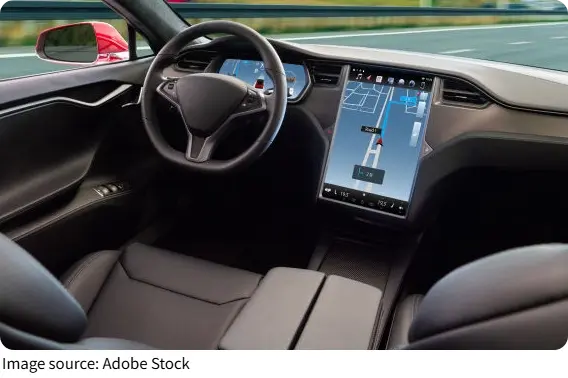
One big reason seats feel more like home furniture is a better understanding of ergonomics. That word can sound a bit like something trapped in an office manual, but the idea is simple: the seat should work with the body, not argue with it. Modern seat cushions and backrests are shaped to support the hips, lower back, shoulders, and thighs more naturally. Instead of one flat slab, there are layered contours and denser support in key areas. It is a bit like the difference between lying on a folded blanket and settling into a well-made couch that actually remembers humans exist.
Foam technology also improved in a major way. Carmakers began using materials with different densities, so the seat could feel soft at first touch but still stay supportive underneath. That matters because a seat that is too plush can become tiring, while one that is too firm can feel punishing. The sweet spot sits right in the middle. Designers now tune that balance very carefully, trying to create comfort that lasts beyond the first minute in the showroom.
More Features, More Comfort
Another reason for the sofa-like evolution is the rise of adjustable features. Many newer vehicles offer power adjustment, lumbar support, seat heating, ventilation, and memory settings. These features let more people find a comfortable position without playing a long game of sit, shift, sigh, repeat. Instead of forcing every body type into one standard shape, seats can adapt more easily to different drivers and passengers.
The structure underneath the upholstery has changed too. Springs, support frames, and internal padding are more advanced than they used to be. Engineers work on how the seat handles vibration, road harshness, and body movement during turns or braking. The seat is no longer just a cushion. It is part support system, part comfort tool, and part buffer between the person and the constant chatter of the road.
Why Carmakers Keep Pushing It
Comfort has also become a selling point. People compare interiors closely, and the seat is one of the first things they notice. You can forgive a lot when a car feels good to sit in, because comfort creates an immediate emotional reaction. It tells the driver, "Relax, this place was made for you." That makes seats a major part of how a brand presents itself, especially in family vehicles and premium models.
At the same time, safety and comfort now work together more closely. Seat shape, padding, and positioning need to support the body while also fitting with airbags, head restraints, and seat belt geometry. So the modern seat has to juggle a lot. It must feel cozy without turning into a marshmallow. It must support the body without feeling stiff and clinical. That balancing act is where much of the design progress happens.
Where Seat Design Is Heading
The trend is likely to continue, with even more focus on personalized comfort. Designers are exploring smarter materials, finer adjustment ranges, and seats that reduce fatigue during long drives. Some are even looking at how seats can better support changing posture over time, rather than locking the body into one position. The goal is not simply to make seats softer. It is to make them more intelligent, more adaptive, and more pleasant to live with every day.
So why are car seats starting to feel like home sofas? Because modern drivers want cabins that care about comfort as much as performance or style. Better ergonomics, smarter materials, and more adjustable features have all pushed seat design in that direction. Next time you settle into a car and think, "wow, this is nice," you are feeling years of design work turning an ordinary seat into a much friendlier place to spend time.