Why Cucumber Matters

Sofia Alvarez
| 13-08-2026
 · Cate team
Hi, Readers! Crisp, cool, and easy to enjoy, cucumber is one of those foods that quietly does a lot for us.
It is the edible fruit of a widely cultivated creeping vine in the gourd family, and it is made up of mostly water, which is a big reason it feels so refreshing. Whether sliced into a salad, added to a sandwich, or simply eaten on its own, cucumber brings a light texture and a clean taste that many people love.
And beyond that fresh bite, it also offers a simple mix of nutrients that can support a balanced way of eating.

What Cucumber Is
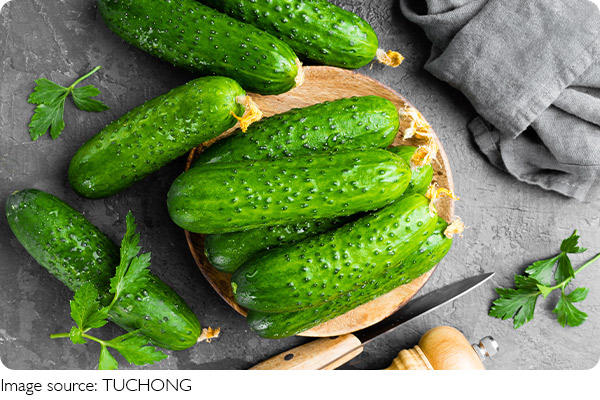
Cucumber, known scientifically as Cucumis sativus, belongs to the gourd family. It is usually treated like a vegetable in the kitchen, even though botanically it is a fruit. There are three main types commonly grown: slicing, pickling, and seedless. Slicing cucumbers are the ones many people see most often in stores, while pickling varieties are smaller and used for preserving. Seedless cucumbers are often longer, with a thinner skin and a milder taste. This variety makes cucumber easy to use in many everyday dishes.
Its Main Nutrition Strength
One of cucumber's biggest nutrition strengths is hydration. Because it contains mostly water, it can help add fluid to meals and snacks in a very natural way. This makes it especially appealing in warm weather or anytime you want something light and fresh. Cucumber is low in calories, so it can add volume and crunch to meals without making them feel heavy. It also provides small amounts of vitamins and minerals, including vitamin K, which is known for helping the body with normal blood clotting and supporting healthy tissues.
Helpful Plant Compounds
Cucumber also contains plant compounds that have drawn attention in nutrition discussions. These include cucurbitacins and lignans. While cucumber is not usually thought of as a concentrated source of nutrients compared with some darker green vegetables, these natural compounds still make it an interesting part of a varied diet. The peel and seeds can also contribute nutrients and texture, so if the cucumber is clean and pleasant to eat, keeping those parts can be a smart choice.
Easy Ways To Eat It
Cucumber is wonderfully flexible. You can slice it into salads for extra crunch, tuck it into wraps, mix it with herbs, or pair it with yogurt-based dips for a cooling side. It can also be blended into chilled soups or added to water for a subtle fresh flavor. Pickled cucumbers are another familiar form, though fresh cucumber is often the best choice when you want its light texture and high water content. Because its flavor is mild, it works well with both simple meals and more layered dishes.
Growing And Everyday Use
The cucumber plant is a tender annual vine with large leaves and curling tendrils. The fruit is usually harvested while still green and unripe, which is when it has the texture and taste people expect. In daily life, cucumber has become a staple in many kitchens because it is affordable, easy to prepare, and versatile. It needs very little work: a quick rinse, a few slices, and it is ready to serve. That ease makes it especially helpful for busy days when you still want something fresh on the table.
Cucumber may seem simple, but that is part of its charm. It brings hydration, light nutrition, and easy versatility without asking much from you. If you want a food that feels fresh, gentle, and easy to enjoy, cucumber is a lovely choice to keep around and add to your meals more often.