Tomato Goodness

Owen Murphy
| 13-08-2026
 · Cate team
Hello, Lykkers! Bright, juicy, and easy to add to almost any meal, tomatoes bring a lot more than fresh flavor to the table.
They are technically fruits, though many people use them like vegetables in daily cooking. What makes them especially lovely is their mix of water, vitamins, minerals, and plant compounds that support overall well-being.
If tomatoes are already part of your kitchen routine, there is plenty to appreciate. If not, this is a gentle reminder that something so common can still be wonderfully nourishing.

What tomatoes contain
Tomatoes are made up mostly of water, which makes them light and refreshing. They also provide carbohydrates in small amounts, along with a little fiber and a modest amount of protein. One of their most talked-about nutrients is vitamin C, which helps support normal body functions and adds to their fresh, lively appeal. Tomatoes also contain vitamin K, potassium, and folate. These nutrients work together in different ways, helping make tomatoes a useful part of a balanced eating pattern.
Why the red color matters
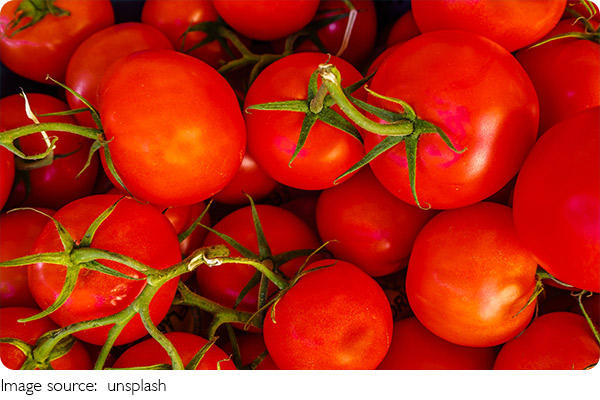
That rich red color comes largely from lycopene, a natural plant compound found in tomatoes. Lycopene is a carotenoid, and it has received a lot of attention for its antioxidant role. Antioxidants help protect cells from everyday stress in the body. Tomatoes also contain beta carotene, which the body can convert into vitamin A, along with lutein and naringenin. These compounds are part of what gives tomatoes their nutritional charm, especially when tomatoes are ripe and full of color.
Fresh and cooked both have value
One comforting thing about tomatoes is that they can be enjoyed in many forms. Fresh tomatoes are crisp, juicy, and easy to toss into salads, sandwiches, and grain bowls. Cooked tomatoes also have their own strengths. Tomato sauces, soups, and stewed dishes can still provide important nutrients, and processed tomato products may offer lycopene in a form the body can use well. So if you prefer them fresh or simmered into something cozy, tomatoes can still fit beautifully into your meals.
Easy ways to enjoy them
Tomatoes are wonderfully flexible in everyday cooking. You can slice them for toast, add them to egg dishes, mix them into pasta, or pair them with leafy greens and beans. Cherry tomatoes make a quick snack, while chopped tomatoes can brighten rice dishes, wraps, and simple home-cooked plates. If you buy canned tomatoes or sauce, it helps to check the label and choose options with simple ingredients. That way, you keep the focus on the tomato itself and all the goodness it brings.
A few simple things to keep in mind
Like many fresh foods, tomatoes can vary in taste and texture depending on the variety and ripeness. Some are sweet, some are more tangy, and some are especially meaty for cooking. Storing whole tomatoes at room temperature can help preserve flavor until they ripen. Once fully ripe, they can be used soon for the best texture. For people who are sensitive to acidic foods, tomatoes may sometimes feel a bit strong, so enjoying them in a way that feels comfortable is always the kindest approach.
Tomatoes are such a simple, familiar food, yet they carry a genuinely impressive nutritional profile. With their water content, vitamins, potassium, fiber, and standout plant compounds like lycopene, they offer an easy way to bring both color and nourishment into daily meals. If you have tomatoes at home, maybe this is your sign to enjoy them a little more often and notice just how much something so ordinary can give.