Raspberry Goodness

Amina Hassan
| 13-08-2026
 · Cate team
Hello, Lykkers! Bright, juicy, and full of lively flavor, raspberries bring a little spark to any bowl, spoon, or snack plate.
These small aggregate fruits are widely enjoyed for their sweet-tart taste and soft texture, but their appeal goes far beyond flavor. Raspberries are also valued for their nutrient content, especially their fiber and vitamin supply.
They can be eaten fresh, added to breakfast dishes, blended into smoothies, or used in desserts and preserves. If you have ever wondered why this little fruit gets so much love, its nutrition is a big part of the answer.
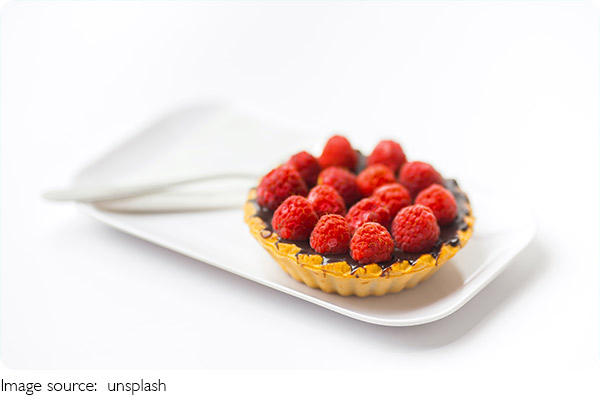
What raspberries are like
Raspberries are edible fruits from plants in the genus Rubus of the rose family. The fruit is made up of many small parts clustered together, which gives it its delicate, bead-like appearance. The best-known kind is the red raspberry, though other types exist as well. Their flavor is usually a balance of sweetness and tartness, which makes them easy to pair with many foods. Because they are tender and perishable, they are often enjoyed soon after picking or kept chilled for a short time.
Key nutrients in raspberries
Raspberries are low in calories and provide useful nutrients in a small serving. They are especially known for dietary fiber, which helps make them a satisfying fruit choice. They also provide vitamin C, an important vitamin that supports normal body functions and adds to the fruit's nutritional value. In addition, raspberries contain manganese and vitamin K, along with smaller amounts of other vitamins and minerals. Their high water content also makes them feel light and refreshing.
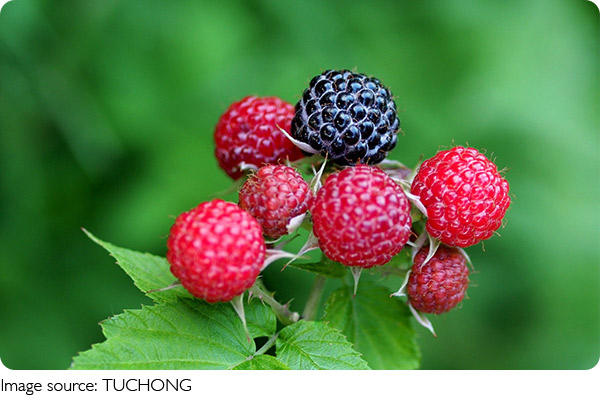
Why fiber stands out
One of the most talked-about nutrition features of raspberries is their fiber content. Fiber is helpful in a balanced eating pattern because it supports comfortable digestion and can help you feel full longer after eating. Since raspberries deliver plenty of fiber for relatively few calories, they are often seen as a smart choice for snacks and simple meals. A handful can make breakfast feel more filling, and a small bowl can be a pleasant afternoon pick-me-up.
Vitamins and natural plant compounds
Raspberries contain vitamin C, which is one of their headline nutrients. They also contain natural plant compounds such as anthocyanins and ellagic acid, which contribute to their color and are often discussed when people talk about fruit quality and nutritional interest. These compounds are naturally present in raspberries and are part of what makes deeply colored fruits so appealing. While people often focus on these details, the simplest takeaway is that raspberries offer a nutrient-rich option in a very easy-to-enjoy form.
Easy ways to enjoy them
Raspberries fit beautifully into everyday eating. You can scatter them over oatmeal, stir them into yogurt, layer them into a fruit bowl, or blend them with milk or a dairy-free drink for a quick smoothie. They also work well in baked treats, jams, and sauces. Fresh raspberries are delicate, so gentle rinsing and cool storage help keep them at their best. If fresh ones are not available, frozen raspberries are also a practical option and still make it easy to enjoy their flavor and nutrients.
What to keep in mind
Because raspberries are soft and spoil fairly quickly, it is best to check them before buying and use them without waiting too long. Look for berries that appear bright and intact, without excess moisture. Their tartness can vary depending on variety and ripeness, so some taste sweeter than others. Whether enjoyed on their own or mixed into a meal, raspberries are a simple way to add color, texture, and valuable nutrients to the day.
Raspberries may be small, but they offer a lovely mix of flavor, fiber, vitamins, and freshness that feels easy to welcome into everyday life. If you are looking for a fruit that is light, vibrant, and nourishing, raspberries are a gentle little favorite worth keeping close in your kitchen.