Fig Goodness

Kwame Johnson
| 13-08-2026
 · Cate team
Hello, Lykkers! Soft, honey-like, and easy to enjoy fresh or dried, figs bring more than lovely flavor to the table.
The common fig is a fruit valued in many kitchens, and its nutrition makes it especially interesting. Figs provide carbohydrates, dietary fiber, and a small amount of protein.
They also contain minerals such as calcium, iron, magnesium, potassium, and manganese. Fresh figs have a high water content, while dried figs are much more concentrated in natural sugars and nutrients by weight, which changes both their taste and their nutrition profile.
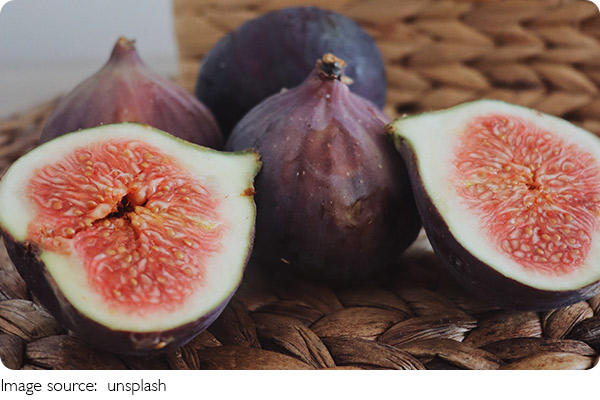
What figs contain
Fresh figs are relatively modest in calories because much of the fruit is water. They offer natural sugars for quick energy, along with fiber that helps support comfortable digestion and a steadier feeling of fullness. Figs also contain vitamin B6 and vitamin K in small amounts. When figs are dried, the water is reduced, so the fruit becomes denser in calories, sugars, fiber, and minerals. That means a small portion of dried figs can deliver a more concentrated nutrient intake than the same weight of fresh figs.
Fiber is a big strength
One of the most appreciated parts of fig nutrition is fiber. Fiber helps food move through the digestive system more smoothly and can support regularity. It can also help with appetite management by helping you feel satisfied for longer after eating. Fresh figs give you fiber in a lighter, juicier form, while dried figs offer even more fiber in a smaller serving. If someone wants a naturally sweet snack that also contributes fiber, figs are often an easy choice.
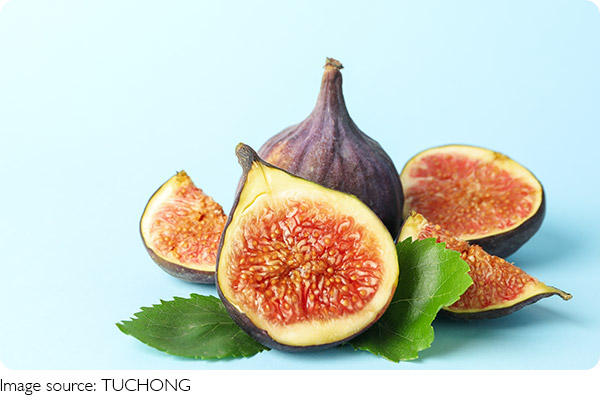
Minerals worth noticing
Figs contain several minerals that matter in daily nutrition. Potassium is one of the standouts, and it plays a part in fluid balance and normal muscle and nerve function. Calcium and magnesium are also present, which are both involved in many body processes. Iron and manganese appear in smaller amounts as well. Dried figs are especially known for their mineral density because the nutrients remain after much of the water has been removed.
Fresh versus dried figs
Fresh figs feel delicate, juicy, and lightly sweet. They are lovely for people who want a fruit with more water and fewer calories per piece. Dried figs are chewier and much sweeter because their sugars are concentrated. They can be convenient for snacking, adding to oatmeal, or pairing with nuts and seeds. Still, portion size matters, since dried figs contain more sugar and calories in less volume. Both forms have nutritional value, and the better choice depends on your needs and how you plan to eat them.
Easy ways to enjoy them
Fresh figs can be sliced into salads, added to breakfast bowls, or eaten on their own. Dried figs work nicely in baked goods, grain dishes, and snack mixes. Because they are naturally sweet, they can also be used to add flavor without relying as much on refined sweeteners. Their soft texture and rich taste make them easy to include in simple meals at home.
Figs are a gentle reminder that nutritious food can also feel special. Whether fresh or dried, they offer fiber, useful minerals, and natural sweetness in one small package. If you are looking for a fruit that is both satisfying and versatile, figs are certainly worth a closer look.