Fastback Cars Explained

Arvind Singh
| 13-08-2026
 · Automobile team
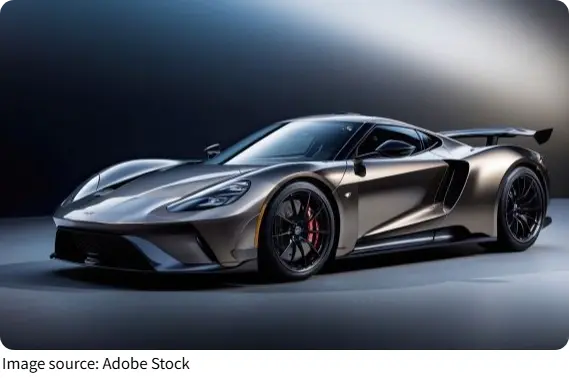
A fastback is a car body style in which the roof flows in one continuous curve toward the rear, creating a sleek and streamlined silhouette.
Originally associated with performance and aerodynamic research, the design has become one of the most recognizable shapes in modern automotive styling.
It offers a distinctive balance between visual excitement and everyday usefulness, which is why it now appears on sedans, liftbacks, and many contemporary sport utility vehicles.
The Shape That Creates a Sense of Motion
The defining feature of a fastback is its uninterrupted roofline. Instead of ending in a more upright trunk section, the roof tapers gradually toward the rear, giving the vehicle a longer and lower appearance. This smooth transition reduces visual bulk and creates a stronger impression of speed and refinement, even when the car is stationary.
Aerodynamics and Efficiency
The fastback shape is not only about appearance. A tapered rear section can help air move more cleanly over the vehicle, reducing turbulence compared with a boxier design. When combined with careful engineering of the underbody, rear spoiler, and body contours, this smoother airflow can contribute to improved aerodynamic efficiency, better high-speed stability, and lower energy consumption.

Why Designers Favor Fastbacks
Designers value fastback proportions because they give a vehicle a more athletic character without requiring a dramatic reduction in cabin space. The longer roofline, lower rear profile, and flowing body surfaces create a sophisticated look that appeals to drivers who want something more expressive than a traditional sedan. This design language is now used across a wide range of vehicle segments, from compact models to luxury grand tourers.
Everyday Practicality
Modern fastbacks are designed to be more than stylish showpieces. Many offer four doors, comfortable rear seating, and luggage space suitable for daily life. Liftback versions are especially practical because the rear glass and trunk lid open together, creating a larger loading opening for shopping bags, luggage, sports equipment, and other bulky items.
The Trade-Offs
The sloping roofline can reduce rear headroom compared with a taller sedan or hatchback, particularly for taller passengers. The descending roof may also limit the ability to carry very tall cargo. Rear visibility can be slightly narrower because of the smaller rear window and thicker body structure, although modern camera systems and parking sensors help offset this limitation on many vehicles.
How Manufacturers Improve Comfort and Space
To preserve practicality, manufacturers carefully shape the roof, position the rear seats lower, and optimize the wheelbase and trunk opening. These adjustments allow many modern fastbacks to provide generous passenger space while maintaining their sleek exterior proportions. The most successful designs make the compromises feel minimal rather than obvious.
Fastback cars remain popular because they combine style, engineering, and usability in a single design. Their flowing roofline can improve aerodynamic performance, while their proportions create a more dynamic and premium appearance than many conventional body styles. Although some compromises in rear space and visibility remain, modern design and technology have made fastbacks far more practical than their sporty silhouette might suggest. For drivers who want a car that looks elegant, feels refined, and still works well in everyday life, a well-designed fastback represents one of the most balanced and appealing automotive forms available today.