Anguilla Made Easy

Kwame Johnson
| 14-08-2026
 · Travel team
Hi, Readers! Anguilla feels like the kind of place that quietly resets you.
The island is known for bright blue water, soft white sand, and a laid-back rhythm that makes even a short visit feel special.
If you are planning a trip and want the practical side sorted out before you go, it helps to know how to arrive, how to move around, where to stay, and what kind of costs to expect once you land.
Anguilla is set in the northeastern Caribbean and is reached mainly by air or sea. Many travelers connect through nearby islands and then continue by ferry or a short regional flight. The Clayton J. Lloyd International Airport welcomes regional arrivals, while some visitors fly into St. Maarten and then take the public ferry to Anguilla. The ferry ride usually takes about 25 minutes from Marigot to Blowing Point.
There are also private boat transfers for a quicker and more direct arrival, though those are usually higher in price. Taxi transfers on the island are available from ports and the airport, and rental cars are a popular choice if you want freedom to explore at your own pace.
Anguilla
Getting Around
Getting around Anguilla is fairly simple, and that is part of the charm. Taxis are widely used, especially for beach days, dinners, and airport or ferry transfers. Rental cars are also common, and local driving gives easy access to different parts of the island.
Because Anguilla is compact, travel times are short. Many rides between major beaches, resorts, and dining areas take roughly 10 to 25 minutes depending on where you start. If you prefer not to drive, arranging taxis through your hotel is often the easiest route.
Beaches and What They Cost
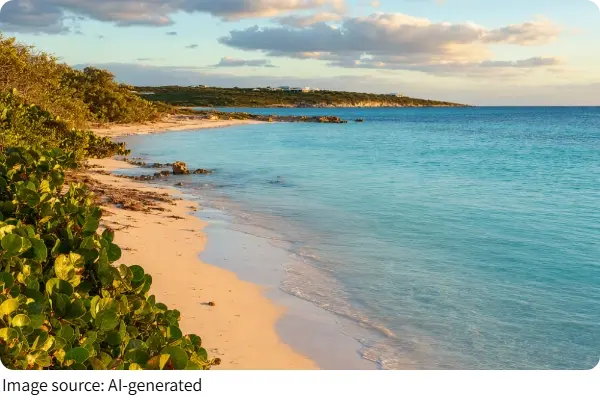
One of Anguilla’s biggest draws is its collection of beautiful beaches. Places like Shoal Bay, Meads Bay, Rendezvous Bay, and Maundays Bay are often at the center of a visit. Public beach access is one of the wonderful parts of the island, so many beaches can be enjoyed without an entrance fee.
That means your main costs are usually transport, chair or umbrella rentals where offered, and food or drinks at nearby beach spots. For many travelers, that makes beach hopping a very flexible way to spend the day without feeling locked into a single plan.
Where to Stay
Accommodation in Anguilla ranges from luxury resorts to villas and smaller guesthouse-style options. On the high end, beachfront resorts can cost several hundred USD per night and can go much higher depending on season, suite type, and included services. Villas are popular for families or groups who want more space and privacy. Smaller inns and guest accommodations may offer more moderate pricing, though rates still vary by location and demand.
Choosing where to stay often comes down to whether you want to be right on the beach, close to dining, or tucked away in a quieter part of the island.
Dining and Daily Planning
Anguilla is well loved for its dining scene, and planning a little ahead can make your days easier. Many well-known restaurants are attached to resorts or set right along the beach, so it is smart to check hours before heading out. Some places may close on certain days or adjust service depending on the season. If your trip includes popular dining spots, reservations are worth making in advance.
For everyday comfort, it also helps to keep cash or cards handy for taxis, meals, and beach services, and to confirm transfer times if you are arriving by ferry.
Helpful Trip Details
Before traveling, it is useful to review entry requirements, airport or ferry logistics, and local transportation options. Visitors often rely on a mix of ferry, taxi, and rental car service during their stay. If you plan to explore widely, a rental car can save time. If your goal is pure relaxation, staying near your favorite beach and using taxis may be all you need.
Many travelers also appreciate booking accommodations and transfers early, especially for busy travel periods, because availability can tighten quickly.
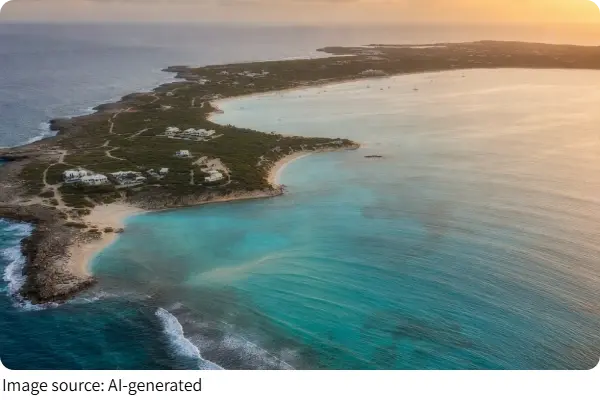
Anguilla is the kind of destination that does not ask you to rush. It invites you to settle in, keep things simple, and let the island do what it does best. If you are mapping out your trip now, focus on your arrival plan, choose the beach area that fits your style, and book the stay that makes you feel most at ease. That little bit of planning goes a long way once your feet hit the sand.