Load With Care

Caleb Ryan
| 16-08-2026
 · Travel team
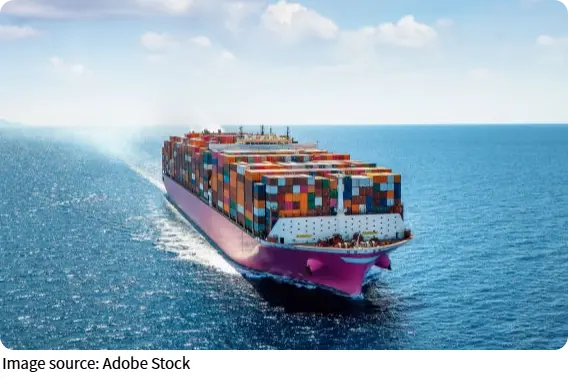
Have we ever watched a huge container ship and wondered how thousands of containers can be placed on deck with such accuracy? From the outside, loading may look like a simple process of lifting containers with cranes.
In reality, we are watching a carefully planned operation involving cargo distribution, stability checks, records, communication, and teamwork. Every container has a planned position, and every stage has a clear purpose.
1. Preparing the Stowage Plan
Before loading starts, the Chief Officer checks the stowage plan. This detailed plan shows where each container should be placed on the vessel. We review container weights, dimensions, special cargo requirements, draft, trim, and stability limits.
The distribution of weight is especially important. For example, if a heavy container is planned for a high position, we check how it could affect the vessel's center of gravity. If the arrangement does not meet the approved loading limits, we adjust the position and place the heavier unit lower when appropriate. Careful planning at this stage helps create a balanced loading condition.
2. Supervising the Loading
When the cranes begin moving containers, the duty officer monitors the operation and works closely with terminal personnel. Each unit needs to reach the position shown on the approved plan.
Deck crew members assist with securing equipment and other tasks around the loading area. Container numbers are also recorded carefully. Identification marks and seals are checked when required by the cargo procedures.
If a container is placed in the wrong position, we communicate with the terminal team and arrange a correction. Quick communication prevents a small loading error from affecting later stages of the operation.
3. Handling Unexpected Problems
Loading does not always go exactly according to plan. A container may arrive with visible damage, an unclear number, a missing seal, or a door that is not properly closed.
When we find such an issue, we record the details and notify the responsible terminal representative. The condition can then be checked by both sides. Written confirmation provides a useful record of what was observed before departure.
If there is a disagreement, the Chief Officer can discuss the matter with the terminal representative and contact the appropriate shore-side department when further assistance is needed. Clear records help reduce confusion later.
4. Maintaining Worksite Safety
Safety is part of every loading stage. People working near cranes and containers follow the terminal's safety rules and use the required protective equipment.
We also pay attention to moving machinery, suspended containers, vehicles, and restricted areas. Warning signs and controlled access help keep people away from active equipment.
The duty officer observes the worksite and responds when unsafe conditions are noticed. Good communication between the ship and terminal teams helps everyone understand what is happening around them.
5. Securing Special Containers
Some containers need additional attention because of their height, weight, dimensions, or location on the vessel. Before these units are loaded, we confirm the appropriate securing arrangement.
After a container reaches its assigned position, securing devices are fitted according to the vessel's approved procedures. Twist-locks, lashing rods, and related equipment need to be correctly positioned and properly engaged.
We also coordinate crane movements and securing work carefully so that the container settles accurately into place. When crew members work at height, the required protective measures are followed.
6. Checking Stability
After loading is completed, the Chief Officer calculates the vessel's actual stability condition. We compare the final loading information with the vessel's approved limits.
The calculation considers weight distribution, draft, trim, and stability results. If adjustments are needed, cargo positions or ballast distribution may be changed according to the vessel's operating procedures.
This final calculation is important because the actual loaded condition can differ from the original plan. We need to confirm the real condition before the vessel begins its voyage.
7. Completing Records
After the loading work is finished, we organize the required documents. These may include container lists, loading records, the final stowage plan, cargo notes, and records of any visible damage.
For example, if several containers have minor external damage when they arrive on board, we record their numbers and describe the condition clearly. These details provide a useful reference during later cargo handling and delivery.
Accurate paperwork also helps the ship and terminal teams confirm what was completed during the loading operation.
8. Making the Final Securing Check
Before departure, the Chief Officer and deck crew carry out a final inspection of the securing arrangements. We check that locking devices are properly engaged and that securing rods are correctly connected.
We also look for loose equipment, damaged securing components, or containers that do not appear correctly positioned. Any issue found during this inspection is addressed before the vessel leaves the berth.
Our Final Check
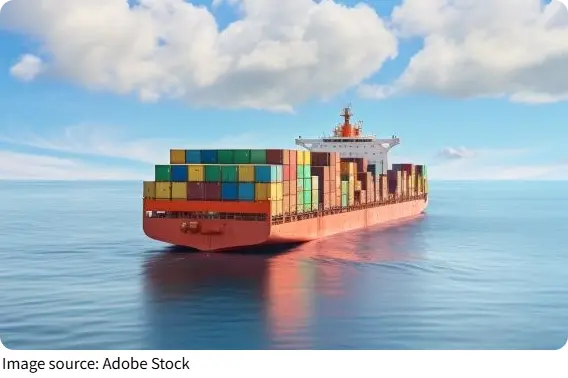
Lykkers, when we see a container ship carrying thousands of containers, we can now appreciate the detailed work behind those neat rows. Loading is a combination of planning, calculation, careful observation, accurate records, and teamwork.
From the first stowage plan to the final securing inspection, each stage supports a safe and organized voyage. Which of these eight steps did you find most interesting? Share your thoughts with us, and let's keep exploring the fascinating world of sea transportation together.