Kotor Bay Escape

James Carter
| 16-08-2026
 · Travel team
Kotor sits at the foot of steep limestone mountains on one of Montenegro’s most dramatic stretches of coastline. Behind its fortified walls, the UNESCO-listed Old Town is filled with historic landmarks and tiny squares, while the wider bay opens towards villages such as Perast and the slopes of Mount Lovćen.
Two or three days work well for a first visit. July and August bring the biggest crowds and strongest heat, so late spring or September are better choices if you prefer quieter streets.
Explore the Old Town Early
Enter through the Sea Gate and spend the morning wandering without a strict route. The Square of Arms, Clock Tower, St Luke’s Square and narrow lanes around the Cathedral of St Tryphon are all within a few minutes of one another.
The cathedral is one of Kotor’s most important historic buildings, while the nearby Maritime Museum provides more context on the city’s long relationship with the sea.
Tip: cruise arrivals can transform the Old Town by late morning. Aim to start sightseeing before 09:00, then return after the busiest afternoon period.
For breakfast, a bakery in the historic centre is the easiest option. Coffee with burek or a pastry generally costs around €5–10.
Climb for the Famous View
Kotor’s fortifications rise dramatically above the Old Town towards St John’s Fortress. The full climb involves roughly 1,350 steps, so in summer it is best tackled early in the morning.
Wear shoes with good grip and carry plenty of water. The stone path offers little protection from the sun, and the climb is far less enjoyable around midday.
If you would rather skip the stairs, the Kotor–Lovćen cable car provides the easier panorama. The journey from Dub station climbs high above the bay in around 11 minutes. A standard return ticket currently costs about €25.
Drivers should also budget for parking at Dub station, currently around €1.30 per hour for a car.
Spend Half a Day in Perast
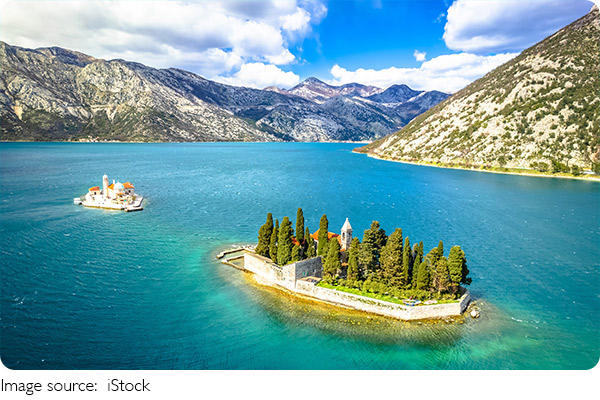
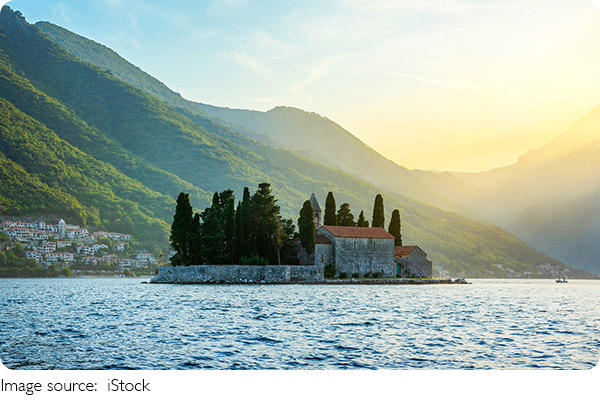
Perast lies around 12km from Kotor and is one of the easiest additions to a short itinerary. The waterfront town is known for its stone palaces, historic buildings and views towards the two small islands in the bay.
Small boats take visitors to Our Lady of the Rocks, an artificial island with a historic sanctuary and museum. Boat excursions throughout the Bay of Kotor commonly combine Perast and the island, while longer trips may continue towards the Blue Cave or other coastal stops.
Allow half a day rather than treating Perast as a quick photo stop. Walking the waterfront and having lunch beside the bay is part of the experience.
Perast
Where to Eat
Seafood is an obvious choice in Kotor. Bastion, near the northern side of the Old Town, is useful for traditional fish dishes and generous portions.
For a more polished evening, Galion sits outside the walls overlooking the marina and combines Mediterranean cooking with local seafood.
Expect roughly €15–25 for a casual lunch. Dinner at a mid-range restaurant may cost €25–40 per person, while a more elaborate waterfront meal can reach €40–60 or more.
Do not overlook simple bakeries and cafés: they are useful for keeping the daily budget under control between paid attractions.
Where to Stay
The Old Town is atmospheric but can also be noisy at night. For a quieter base, look at Dobrota or Muo, both close enough to reach central Kotor easily while offering more waterfront accommodation.
If you want to divide the trip between Kotor and Perast, staying one night in Perast creates a completely different atmosphere once daytime visitors leave.
Summer accommodation is significantly more expensive than in the shoulder seasons, so booking early matters.
How Much to Budget
For a comfortable day, allow approximately €60–90 per person excluding accommodation. This covers simple meals, coffee, local travel and one major paid activity.
A day including the €25 cable car, a boat trip and a good seafood dinner can move closer to €100–130.
Kotor does not need an exhausting itinerary. Spend one day exploring the Old Town and viewpoints, then use the next for Perast and the bay. Leave space between attractions for waterfront walks and long lunches — the slower pace is precisely what makes this compact corner of Montenegro so enjoyable.