Sports Car Tire Guide

Mukesh Kumar
| 17-08-2026
 · Automobile team
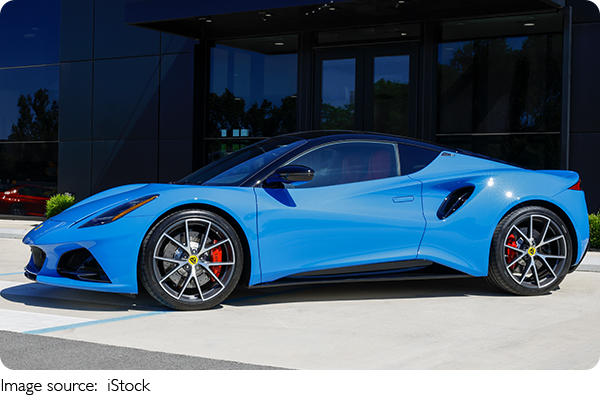
Have you ever looked at a sports car and wondered why its tires appear so wide and low?
The numbers on a tire’s sidewall reveal important information about its design and can influence the way a car feels on the road. Width, aspect ratio, and wheel diameter each play a different role in handling, comfort, braking, and efficiency.
For a performance car, choosing the right combination is about balance. A carefully matched tire and wheel setup can deliver responsive steering and dependable road contact without sacrificing too much comfort or everyday practicality.
Tire Width And Road Grip
Tire width affects the way a vehicle transfers forces to the road during acceleration, braking, and cornering. A wider tire can support strong dry-road performance, particularly when its construction and compound are suited to the vehicle.
However, width is only one part of the equation. Tire pressure, load, compound, construction, alignment, suspension geometry, and road conditions also affect traction.
This is why simply choosing the widest available tire does not guarantee better handling. The dimensions should be appropriate for the vehicle and compatible with its wheels and suspension.
Aspect Ratio And Steering Response
Aspect ratio describes the sidewall height relative to the tire’s width. A lower aspect ratio produces a shorter sidewall, while a higher aspect ratio creates more sidewall height.
Shorter sidewalls generally flex less during steering. This can produce a quicker, more precise response when the driver turns the wheel, particularly during rapid direction changes.
That responsiveness is valuable in a sports car, where predictable steering can make the vehicle feel more controlled and engaging.
Wheel Diameter And Driving Feel
Larger wheels are often combined with lower-profile tires to maintain an appropriate overall tire diameter. This combination can give a sports car a purposeful appearance while changing its driving characteristics.
A larger wheel can also provide space for larger brake components when the vehicle is designed to accommodate them. At the same time, the complete wheel-and-tire package matters more than wheel diameter alone.
Wheel weight, tire construction, wheel width, suspension tuning, alignment, and overall vehicle design all contribute to the final result.
Sidewall Height And Comfort
The tire sidewall provides a layer of flexibility between the wheel and the road. A taller sidewall generally has more capacity to absorb smaller impacts from uneven pavement.
A shorter sidewall has less room to flex, so sharp surface imperfections can be felt more clearly through the vehicle.
For drivers who regularly use smooth roads, this firmer character may be an acceptable trade-off for sharper steering. Those who frequently encounter uneven pavement may prefer a setup with more sidewall.
Wheel And Tire Weight
Changing wheel size can also change the weight of the rotating assembly. Heavier wheels and tires require more energy to accelerate and can influence the vehicle’s response.
For a performance car, this makes wheel weight an important consideration. A larger wheel that adds substantial mass may not deliver the expected improvement in overall driving dynamics.
A lighter, well-matched wheel and tire combination can provide a more balanced result than simply increasing diameter.
Efficiency And Tire Design
Tires also contribute to a vehicle’s energy consumption. Rolling resistance is affected by tire construction, compound, inflation pressure, load, and dimensions.
As a result, tire width should not be viewed in isolation. Two tires with similar dimensions can behave differently because their internal construction and materials are different.
For a sports car used as an everyday vehicle, considering efficiency alongside handling can help create a setup that works well in a wider range of driving conditions.
Finding The Right Combination
There is no single tire and wheel specification that suits every sports car or every driver. The ideal choice depends on the vehicle’s design, intended use, road conditions, and desired driving characteristics.
Before changing dimensions, check the vehicle manufacturer’s approved tire sizes, load and speed ratings, wheel specifications, and recommended inflation pressures. Any replacement should also provide suitable clearance and compatibility with the vehicle.
Rather than focusing on one number, consider the entire package. Tire width, aspect ratio, wheel diameter, weight, construction, suspension, and alignment should work together.

The Bottom Line
Tire dimensions are an important part of a sports car’s engineering. Width can influence road grip and handling characteristics, aspect ratio can affect steering response and ride quality, while wheel diameter can alter the balance of the wheel-and-tire package.
The best setup is not necessarily the widest, largest, or lowest-profile option. It is the specification that complements the vehicle and provides the right combination of responsiveness, control, comfort, and efficiency.
Understanding these measurements makes it easier to see why performance cars use particular tire and wheel combinations—and why the right setup is ultimately about balance rather than size alone.